Los Angeles International Airport (LAX) TSA Wait Times Today: Short Lines Despite National Staffing
LOS ANGELES — Travelers at Los Angeles International Airport (LAX) encountered relatively short TSA security wait times on Monday, March 30, 2026, with official data showing general boarding lines as low as 0 to 3 minutes in the Tom Bradley International Terminal (TBIT) during early morning hours, even as a federal funding lapse continues to cause longer delays at other major U.S. hubs.
According to the official flyLAX.com security wait times page, updated as recently as early Monday, general boarding at TBIT stood at 0–3 minutes while TSA PreCheck lanes reported 0 minutes. Similar low figures appeared across multiple checkpoints in recent days, contrasting sharply with reports of multi-hour lines at airports such as Atlanta, Houston and New York's JFK amid nationwide TSA staffing shortages triggered by the ongoing Department of Homeland Security funding lapse.
Third-party trackers and traveler reports largely aligned with the official data Monday. Sites like OnAirParking and TakeoffTimer indicated average standard security waits fluctuating between 1 and 25 minutes depending on the hour, with PreCheck lanes consistently clearing in under 5–10 minutes. Early morning peaks occasionally reached 28–36 minutes in some estimates, but most real-time observations described quick processing across LAX's nine terminals.
The relatively smooth experience at LAX on March 30 comes despite broader challenges facing the Transportation Security Administration. TSA officers have worked without pay since mid-February, leading to elevated call-out rates — sometimes exceeding 30–40% at affected facilities — and hundreds of resignations nationwide. Acting TSA leadership has warned Congress of the highest wait times in agency history at some airports, with lines stretching beyond four hours in extreme cases.
LAX appears to have avoided the worst of the disruptions so far. Airport officials and Delta's wait-time dashboard reported minimal delays in terminals including T1 North/South and T2, with checkpoints often moving passengers through in 5–10 minutes during mid-morning. Social media posts and Reddit threads from recent days, including March 25–28, frequently noted sub-5-minute experiences in various terminals, with some travelers describing "empty" lines even during typical rush periods.
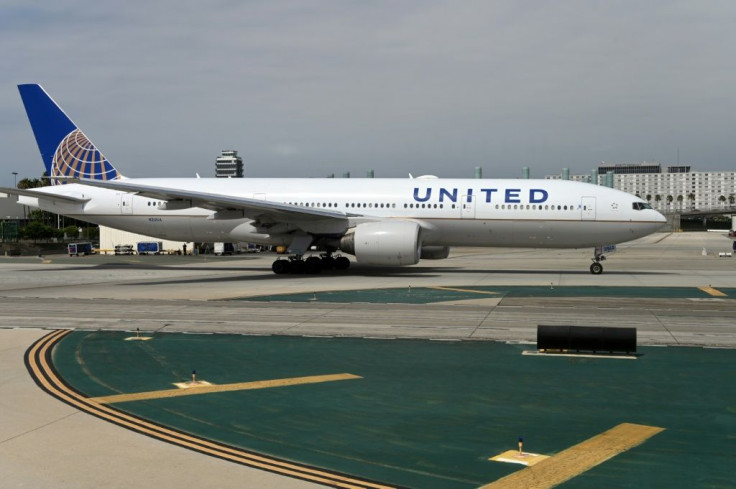
LAX, one of the world's busiest airports handling more than 60 million passengers annually, operates a complex security setup across multiple terminals serving domestic and international carriers. The Tom Bradley International Terminal, which processes the heaviest long-haul traffic, has shown the shortest reported waits in recent updates. Other terminals, such as those used by Delta, United and American, reported similarly manageable lines Monday according to airline-affiliated trackers.
Travelers and aviation experts attributed LAX's better performance to several factors. The airport's large physical footprint allows for more checkpoint lanes when staffed. Southern California's spring travel patterns may not yet match the intense spring break surges hitting other regions. Additionally, high enrollment in TSA PreCheck and CLEAR programs — popular among frequent West Coast flyers — helps divert eligible passengers into faster lanes.
Still, officials caution that conditions can change rapidly. The flyLAX website notes that wait times are "subject to rapid change based on passenger volumes and TSA staffing." Some national reports indicate LAX has occasionally removed or limited real-time wait time displays due to unpredictability caused by the funding situation. USA Today and other outlets reported that several major airports, including LAX at times, have urged passengers to build in extra buffer time rather than relying solely on posted estimates.
The federal funding lapse, now in its sixth week, has strained TSA operations coast to coast. Deputy Administrator Ha Nguyen McNeill told lawmakers that officer absenteeism has climbed significantly, with nearly 500 TSA employees resigning since the lapse began. High call-out rates at hubs like Atlanta (approaching 41%) have forced some facilities to consolidate lanes or operate with reduced capacity, directly contributing to backups.
At LAX, the impact appears milder but not entirely absent. Third-party hourly forecasts from sites like TakeoffTimer projected potential peaks of 27–32 minutes during typical morning and evening rushes (7–10 a.m. and 6–7 p.m.), though actual Monday observations remained lower. Travelers without PreCheck or CLEAR are still advised to arrive at least two to three hours before domestic flights and three to four hours for international departures to account for any sudden surges or additional screening.
Airport and TSA representatives recommend several strategies for minimizing delays:
- Enroll in TSA PreCheck or CLEAR if traveling frequently; both services have dedicated lanes at most LAX terminals and can cut wait times dramatically.
- Use the MyTSA mobile app for crowd-sourced real-time reports, though official data availability has been inconsistent during the lapse.
- Prepare in advance by removing liquids, electronics and outer layers before reaching the checkpoint.
- Check your specific terminal's status via flyLAX.com or your airline's app, as conditions can vary between terminals.
- Consider off-peak flight times when possible to avoid morning and evening rushes.
LAX continues to serve as a critical gateway for domestic travel to cities like New York, Chicago and Las Vegas, as well as international routes across the Pacific and to Europe and Latin America. Despite the national TSA challenges, flight operations Monday showed no widespread ground stops or major airborne delays directly tied to security processing.
The Port of Los Angeles and local tourism officials have not issued any special alerts for March 30, suggesting that passenger flow through security has not reached crisis levels at this major California hub. However, as spring travel demand builds toward summer and the 2026 FIFA World Cup preparations, concerns remain about sustained staffing issues if the funding standoff persists.
Broader context includes ongoing debates in Washington over resolving the DHS funding impasse. TSA unions have highlighted fatigue among officers working without pay and warned that prolonged uncertainty could exacerbate turnover ahead of peak summer travel. Some smaller airports have already faced temporary checkpoint closures or reduced hours due to insufficient staffing.
For LAX specifically, the airport's modernization efforts — including terminal improvements and technology upgrades like touchless ID verification — have helped streamline processing when staffing allows. The end of the LAX FastLane program earlier in 2026 shifted reliance back to standard PreCheck and general lanes.
Passenger sentiment on social platforms mixed cautious optimism with preparation advice. Recent posts described quick passages through terminals 2, 3, 4 and 7, with some crediting light mid-week crowds on Monday. Others warned that conditions could worsen later in the day or week as business and leisure travel volumes increase.
As of Monday afternoon Pacific time, no major disruptions were reported at LAX security checkpoints. Flight tracking services showed typical operations, with most departures proceeding close to schedule once passengers cleared screening.
Travelers planning to fly from LAX today or in coming days should monitor official sources closely. The flyLAX wait times page, airline apps and the MyTSA platform provide the most current snapshots, though experts emphasize arriving early and staying flexible.
While LAX has fared better than many peers on March 30, the national TSA staffing strain serves as a reminder of vulnerabilities in the aviation security system during periods of fiscal uncertainty. Resolution of the funding lapse would likely stabilize operations quickly, but until then, patience and preparation remain essential for anyone passing through Los Angeles International Airport.
The situation remains fluid. Updates from TSA, LAX and individual airlines will continue to guide travelers as the day and week progress.
© Copyright 2026 IBTimes AU. All rights reserved.
- MOST POPULAR IN Travel Tips