

Orlando International Airport TSA Wait Time Today: Manageable 5-15 Minute Lines at Airport
ORLANDO, Fla. — Travelers at Orlando International Airport faced relatively smooth security lines Tuesday, March 24, 2026, with official wait times ranging from as little as 3 minutes to around 15 minutes across its checkpoints, even as the partial federal government shutdown continues to affect Transportation Security Administration staffing nationwide and spring break crowds fill the terminals.
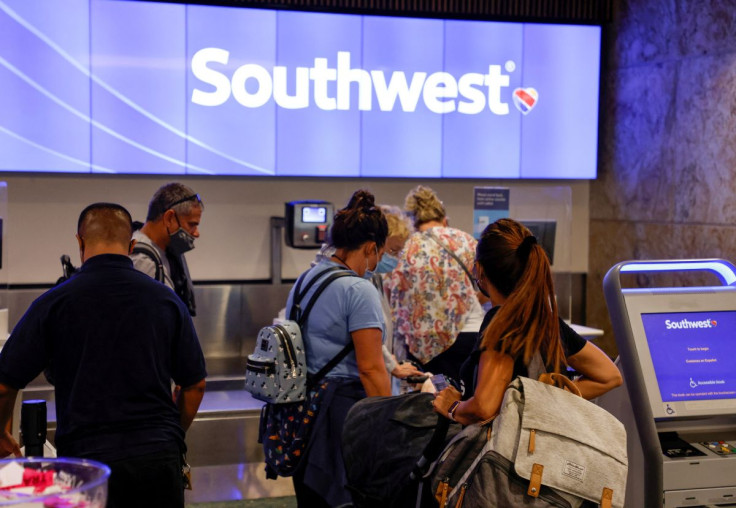
Orlando International Airport, known as MCO and one of the nation's busiest gateways for leisure travel, maintains live security wait times on its official website at flymco.com/security. As of mid-afternoon Tuesday, Gates 1-59 showed general screening waits of 8-12 minutes with TSA PreCheck at 5-9 minutes. Gates 70-129 reported even shorter times: general lanes at 3-6 minutes and PreCheck at 1-4 minutes. The newer Terminal C checkpoints (Gates C230-C249) listed general waits of 11-15 minutes and PreCheck near 0-3 minutes. Times are estimates and subject to rapid change based on passenger volume.
Third-party trackers aligned closely with airport data. Aggregators reported average standard security waits around 10-20 minutes during midday hours, with peaks occasionally reaching 25-30 minutes in busier slots. TSA PreCheck and CLEAR lanes consistently moved faster, often under 5-10 minutes. Overnight and very early morning hours saw the shortest lines, sometimes dipping below 10 minutes, while late-afternoon rushes could push waits higher.
Unlike harder-hit hubs such as Atlanta or some New York-area airports where lines have stretched to hours amid elevated TSA call-outs, MCO has maintained more stable operations. The Greater Orlando Aviation Authority stated that TSA PreCheck and Global Entry remain fully active and that it does not anticipate major disruptions. The airport has encouraged travelers to arrive two hours before domestic flights and three hours for international departures, a standard recommendation that has held steady even during the shutdown.
The partial government shutdown, now in its sixth week, has led to higher absenteeism among TSA officers working without guaranteed pay. Nationwide, some shifts have seen call-out rates climb, but at Orlando — a major tourism gateway handling millions of spring break passengers — lines have stabilized after occasional spikes earlier in the week. Local news reports noted waits of up to 40 minutes on Monday morning in certain checkpoints, but conditions improved as the day progressed and staffing adjustments took effect.
President Donald Trump's deployment of Immigration and Customs Enforcement agents to assist at airports has begun in some locations, though their direct impact at MCO checkpoints remained limited Tuesday. ICE personnel have primarily helped with crowd flow and non-screening duties at other major hubs, with similar support possible at Orlando if needed.
Orlando's three-terminal layout helps distribute passengers. Terminal A (Gates 1-59) often sees heavier morning traffic from domestic carriers, while Terminal B (Gates 70-129) and the modern Terminal C handle additional volume. The airport's MCO Reserve program allows passengers without PreCheck or CLEAR to book a timed security slot online for a dedicated lane, available daily from 5 a.m. to 5 p.m. for most departures.
Practical tips for travelers flying out of MCO today include:
- Check flymco.com/security or third-party sites like takeofftimer.com before leaving for the airport.
- Enroll in TSA PreCheck or CLEAR for the fastest processing if eligible.
- Pack liquids in a quart-sized bag and remove laptops and large electronics early.
- Use the airport's people-mover system efficiently after security to reach gates.
- Monitor airline apps for any gate changes or delays caused by high volumes.
- Consider MCO Reserve for a guaranteed slot during peak periods.
Spring break has added significant passenger numbers, with families heading to theme parks and beaches. Despite the surge, MCO has avoided the worst national disruptions reported elsewhere. Community donation drives for TSA officers — including food and gift cards — have appeared at the airport to support workers facing financial strain.
TSA's national MyTSA app has not updated consistently during the shutdown, leaving travelers to rely more on airport websites and real-time reports. MCO's dashboard has proven reliable, refreshing frequently throughout the day.
Peak congestion periods remain predictable: early mornings from 5-9 a.m., midday international rushes and late afternoons from 3-7 p.m. Evening and overnight flights often see lighter security traffic.
The airport continues normal operations for arrivals, departures and baggage handling. No widespread flight disruptions tied directly to security delays were reported Tuesday, though individual experiences can vary by checkpoint and time.
Aviation experts note that Orlando's high volume of leisure travelers, many of whom arrive early or use expedited lanes, has helped keep lines moving better than at purely business-focused hubs. The presence of multiple checkpoints and the ability to open additional lanes when volumes rise has also contributed to smoother flow.
As evening approached on March 24, passenger volumes typically eased after the afternoon rush, shortening lines further for later departures. Overnight hours may offer the shortest waits.
Travelers with disabilities or needing assistance should contact their airline in advance and allow extra time. Family lanes are available but can experience variability during busy periods.
With spring break continuing through late March and early April, conditions at MCO are expected to remain fluid but generally manageable compared with national headlines. Officials continue monitoring staffing levels closely while advocating for a swift resolution to the funding crisis in Washington.
For real-time crowd levels, passengers can consult traveler-reported data on apps alongside official airport sources. Social media groups and local news also provide frequent on-the-ground updates.
Orlando International Airport remains a vital economic engine for Central Florida, drawing millions of visitors annually thanks to its proximity to world-famous theme parks. While the current shutdown tests the system, MCO has demonstrated resilience through proactive communication and traveler preparation tools.
The message from Orlando's primary gateway is clear: Check live wait times on the airport website, build in a reasonable buffer and prepare for a generally efficient but variable security experience amid broader national challenges. Safe travels to all departing MCO today.
© Copyright 2026 IBTimes AU. All rights reserved.