Dubai International Airport Open Today on Reduced Schedule After Regional Recovery
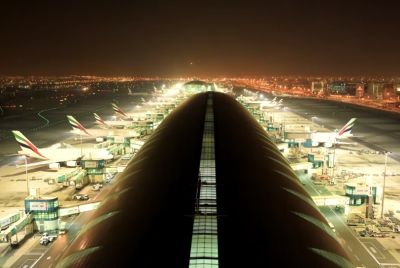
DUBAI — Dubai International Airport (DXB) is open and operational today, Wednesday, April 29, 2026, across all three terminals with a significantly reduced flight schedule as the UAE continues its gradual recovery from months of airspace restrictions and security disruptions tied to the Iran conflict.
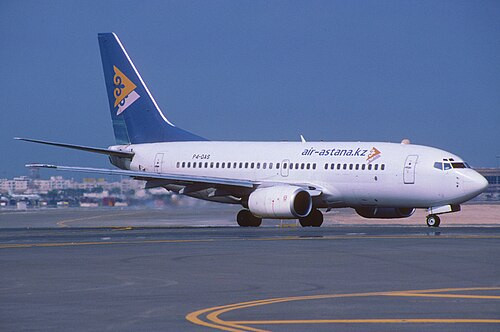
Dubai Airports confirmed that arrivals and departures are processing normally at DXB, though passengers must check directly with their airlines before heading to the facility. Emirates and flydubai lead operations with roughly 180-220 combined daily flights, while foreign carriers remain capped at one daily round-trip through May 31 under temporary restrictions imposed to manage capacity and safety.
The world's busiest international hub, which handled over 95 million passengers in 2025, has seen traffic rebound steadily since early March but remains far below normal levels. Real-time flight trackers and official advisories show dozens of departures and arrivals daily, yet many routes still face cancellations or delays. Travelers are urged not to travel to the airport without confirmed flight details.
The partial recovery follows a near-total shutdown in late February and early March when regional tensions escalated, including reported drone incidents near the airport that forced temporary suspensions. A fragile ceasefire and reopened airspace have allowed phased resumption, but full normalization depends on sustained stability in the Gulf.
Emirates, Dubai's flagship carrier, has rebuilt service to around 120 destinations, while low-cost sister airline flydubai maintains over 95 routes. International carriers such as British Airways, Lufthansa and others operate limited rotations under the one-flight-per-day cap that runs through the end of May. This policy has particularly affected airlines from India, previously a major source market.
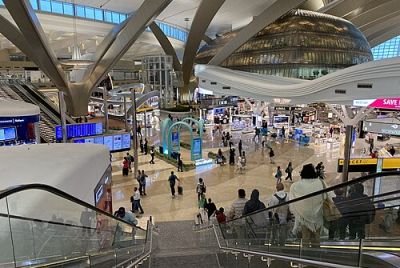
Airport officials have implemented enhanced security protocols and urge passengers to arrive early for screening. Terminals remain fully accessible with ground handling, baggage services and basic amenities operational, though some retail and dining options may have reduced hours. Al Maktoum International Airport (DWC) continues handling overflow and cargo.
The situation reflects broader regional challenges. Disruptions in the Strait of Hormuz have strained fuel supplies and logistics, while airspace volatility has forced rerouting and capacity limits. Economic impacts on Dubai's aviation sector, tourism and trade have been substantial, with thousands of flights canceled in the initial weeks of the crisis.
For today's travelers, the message from Dubai Airports remains consistent: confirm your flight status directly. Real-time updates are available via the official Dubai Airports website, airline apps and flight tracking platforms. Delays and last-minute changes remain common as the airport scales operations.
The phased reopening has brought relief to residents, expatriates and the business community. Expatriate workers, who form a large portion of Dubai's population, can once again access key routes to South Asia, Europe and Africa. Tourism stakeholders hope increased connectivity will help revive visitor numbers as summer approaches.
Aviation analysts expect further expansion in the coming weeks if security conditions hold. The one-flight cap for foreign carriers is under regular review, with potential easing after May 31. Full restoration of pre-crisis schedules could take several more months as airlines rebuild crews, aircraft positioning and passenger confidence.
The crisis has underscored Dubai's central role in global aviation while exposing vulnerabilities in regional connectivity. As one of the world's premier transit hubs, any prolonged disruption at DXB ripples through international travel networks. Recovery progress today signals resilience, but challenges persist amid ongoing geopolitical uncertainty.
Passengers planning travel are advised to monitor official sources closely. Flexible booking policies from major airlines remain in place for affected routes. Insurance covering trip interruptions is strongly recommended given the fluid situation.
Dubai International Airport's operations today mark continued progress toward normalcy after one of the most challenging periods in its history. While not yet at full capacity, the return of hundreds of daily flights provides vital lifelines for commerce, families and the economy that depends so heavily on seamless global connections.
As April 29 draws to a close, DXB stands open — a symbol of Dubai's determination to keep the world connected even in turbulent times. Travelers should exercise caution, stay informed and prepare for a travel experience that is functional but still adapting to post-crisis realities.
The airport authority continues working closely with airlines, government agencies and international partners to safely expand operations. Full normalization, including unrestricted international carrier access and restoration of Terminal 1 capacity where needed, remains the goal as regional stability improves.
For residents and visitors, today's limited but functional operations represent a significant step forward. The aviation sector's recovery is critical to Dubai's broader economic rebound, supporting tourism, trade and business travel that form the backbone of the emirate's global hub status.
As the situation evolves, Dubai Airports will provide regular updates through official channels. Passengers are encouraged to remain flexible and check with airlines directly for the most accurate information before heading to the airport.
The partial reopening of Dubai International Airport today offers cautious optimism after months of disruption. While challenges remain, the return of daily flights signals progress and resilience in the face of recent regional difficulties. The coming weeks will be key as operations continue to scale toward full capacity.
© Copyright 2026 IBTimes AU. All rights reserved.
- Recommended For You