Dubai International Airport Remains Open Amid Reduced Operations: Latest Travel Updates for April 2026
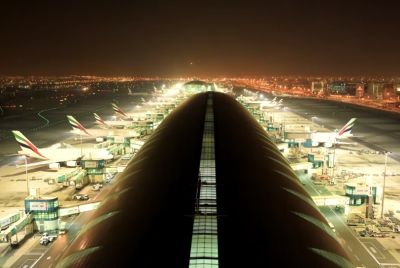
DUBAI, United Arab Emirates — Dubai International Airport (DXB), the world's busiest international hub, is operating today with a full complement of terminals open but under a significantly reduced flight schedule as recovery continues from regional airspace tensions that began in late February 2026.
As of Tuesday, April 14, 2026, DXB is open and processing departures and arrivals across its three terminals, according to the official Dubai Airports website and real-time flight trackers. Passengers are strongly advised to verify their specific flight status directly with airlines before heading to the airport, as schedules remain fluid.
Dubai Airports' latest passenger advisory confirms the "gradual resumption of some flights to and from Dubai International (DXB) to selected destinations." The statement emphasizes: "Passengers are advised to check with their airlines for the latest updates regarding their flights." No new suspensions or major incidents were reported overnight, with operations described as steady though constrained.
### Background on the Disruptions
The current situation stems from regional conflicts and airspace restrictions triggered around Feb. 28, 2026, including temporary suspensions due to security concerns, drone-related incidents, and subsequent regulatory responses. Multiple brief halts occurred in early March, followed by partial resumptions. By mid-March, foreign carriers faced limits, and restrictions on non-UAE airlines have extended into late spring.
On April 10, reports emerged that Dubai has restricted foreign airlines to just one daily round-trip flight to DXB and Al Maktoum International Airport (DWC) until May 31, impacting carriers from India and elsewhere hardest. This measure aims to manage capacity amid ongoing Iran-related tensions and insurance concerns.
European regulators have played a key role. The European Union Aviation Safety Agency (EASA) extended its conflict zone bulletin, advising avoidance of UAE airspace, with the latest extension to April 24. This has kept many European carriers, including Lufthansa Group airlines, suspended until at least late May. British Airways plans a limited resumption from July 1.
### Current Operations and Flight Volumes
Despite challenges, core operations by Emirates and flydubai have stabilized at reduced but improving levels. Recent data shows Emirates scheduling around 145-150 departures daily from DXB, operating to roughly 125-127 of its normal 140+ destinations at about 70% capacity. flydubai is running approximately 70-73 flights per day, serving over 100 routes at around 40% of pre-crisis levels. Combined, this yields 220+ daily passenger flights on many days — the highest sustained volume since late February.
Flight tracking sites like Flightradar24 and FlightAware confirm low delay indices and active movements, though overall traffic remains down about 60% compared to the same period in 2024. All three terminals at DXB are accessible, with standard services for passengers who have confirmed flights. DWC is handling some overflow and cargo operations.
Air India Group and IndiGo have maintained essential connectivity, with Indian carriers operating dozens of flights to clear backlogs. Other Asian and Middle Eastern carriers have gradually added routes, but many long-haul services to Europe and North America remain limited or rerouted.
### Advice for Travelers
Dubai Airports and major carriers stress several key points:
- Do not travel to the airport without a confirmed booking and airline instructions.
- Arrive at least four hours before departure for security and processing.
- Check flight status via official airline apps or dubaiairports.ae/flight-status in real time.
- Emirates offers flexibility for bookings through May 31, including free date changes or refunds.
- flydubai continues limited operations with similar policies.
Travelers with connecting flights should confirm transit viability, as some international partners remain suspended. Special assistance services are available for passengers with reduced mobility or other needs.
### Broader Impact on Dubai and Aviation
The airport's partial recovery is a positive signal for Dubai's economy, which relies heavily on aviation, tourism, and transit traffic. Pre-crisis, DXB handled over 320,000 passengers daily on average. Current volumes are lower, but the city has seen schools reopen and normalcy return in many sectors. Expatriate communities, a large portion of the population, have been affected by travel uncertainties.
Aviation experts note that full normalization depends on sustained ceasefires, updated insurance assessments, and EASA/GCAA alignments. The Airport Show, a major industry event, was rescheduled to October 2026, reflecting longer-term caution.
Industry observers highlight resilience: Despite over 11,000 global flight disruptions in the initial weeks, Dubai has prioritized safety while maintaining essential links. "The airport is not the constraint anymore," one analyst noted. "It's about when international partners regain confidence in the airspace."
### What to Expect in Coming Weeks
Looking ahead, more routes could reopen if the ceasefire holds and regulatory bulletins ease after April 24. Emirates aims for fuller operations soon, while flydubai plans incremental expansions. Foreign carriers' limits through May 31 suggest a measured summer recovery.
Passengers planning travel to or through Dubai in the near term should monitor official channels closely. The situation remains dynamic, with potential for short-notice changes based on geopolitical developments.
Dubai International Airport's ability to stay open and functional underscores its strategic importance as a global connector, even under pressure. For the latest, always consult dubaiairports.ae or your airline directly.
© Copyright 2026 IBTimes AU. All rights reserved.
- Recommended For You