Is Dubai International Airport Open? Airport Gradually Resumes Operations After Drone Strike
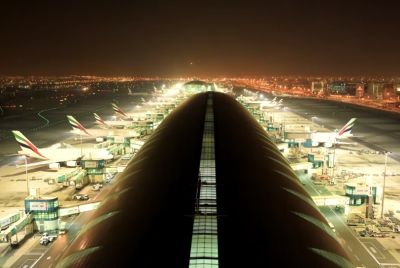
Dubai, United Arab Emirates — Dubai International Airport (DXB), the world's busiest hub for international passenger traffic, was temporarily closed early Monday, March 16, 2026, following a drone-related incident that ignited a fire at a nearby fuel tank, but authorities have since announced a gradual resumption of flights as safety assessments continue.
The disruption, attributed to a drone strike in the vicinity of the airport, prompted the Dubai Civil Aviation Authority to suspend all operations around 6:30 a.m. local time as a precautionary measure to protect passengers, staff and crew. No injuries were reported from the incident, which Dubai's media office described as a "drone-related fire" impacting fuel infrastructure outside the main airport perimeter.
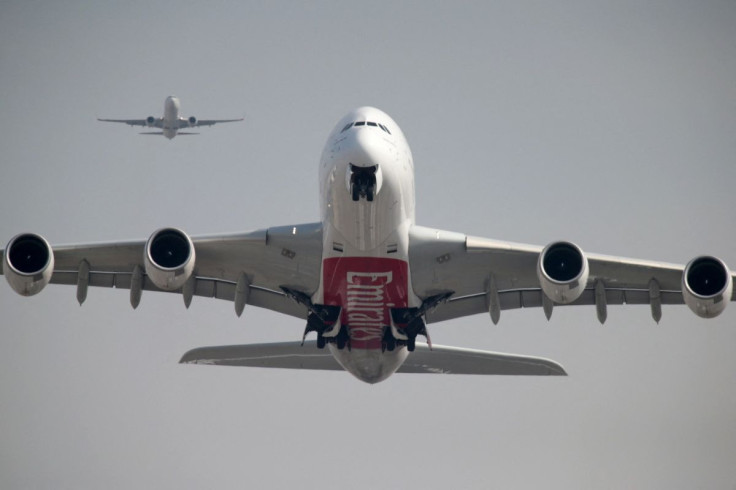
By mid-morning, Dubai Airports — the operator of both DXB and the secondary Al Maktoum International Airport (DWC) — confirmed that limited flight services had begun restarting. Some arrivals and departures were diverted to DWC during the initial closure, helping mitigate the impact on travelers. Emirates, the flagship carrier based in Dubai and one of the largest airlines globally, stated it anticipated partial resumption around 10 a.m. local time (2 a.m. ET), though many scheduled flights remained canceled or delayed for the day.
"Operations are gradually resuming to selected destinations," a Dubai Airports spokesperson said in an update posted to the official website and social media channels. "Passengers are strongly advised to check directly with their airlines for the latest flight status before heading to the airport."
The incident underscores the persistent challenges facing Middle East aviation amid heightened regional tensions. While details on the drone's origin remained limited in initial reports, the event highlighted vulnerabilities in critical infrastructure near major transport hubs. Authorities emphasized that the fire was quickly contained, with emergency teams responding swiftly to prevent any broader threat to airport facilities.
Flight tracking data and airline notices showed widespread cancellations throughout the morning. Emirates, which operates the majority of DXB's traffic, confirmed suspensions of numerous services, urging affected passengers not to travel to the airport without confirmed rebookings. Sister carrier flydubai also halted operations temporarily before aligning with the phased restart. International carriers including those from Europe, Asia and the Americas reported diversions or outright cancellations, compounding delays already seen in recent weeks due to intermittent airspace restrictions across the region.
Travelers stranded at DXB or connecting through the hub faced long waits in terminals, with airport staff providing updates via announcements and digital boards. Social media footage from eyewitnesses captured plumes of smoke rising near the airport grounds in the early hours, though official sources stressed the blaze did not reach passenger areas or runways directly.
The temporary shutdown added to a pattern of disruptions that have plagued Gulf aviation in early 2026. Previous airspace closures — linked to broader geopolitical developments involving Iran, Israel and U.S. interests — had forced partial suspensions and limited schedules at DXB and nearby Abu Dhabi's Zayed International Airport. Airlines had only recently begun scaling back to more normal operations before Monday's event interrupted progress.
Despite the setback, Dubai Airports maintained that the situation remained under control. Real-time flight information on the official dubaiairports.ae website showed a handful of departures and arrivals listed as "on time" or with minor delays by late morning, including services to Zurich, Hyderabad and Dhaka. However, the board reflected significantly reduced activity compared to a typical day, when DXB handles over 1,000 daily flights and millions of passengers annually.
Emirates advised passengers with bookings to monitor its app and website for rebooking options, offering flexibility for changes without fees in many cases. Other carriers echoed similar guidance, with some rerouting long-haul flights to alternative Middle East gateways or extending layovers.
The airport's resilience has been a point of pride for the emirate, which positions DXB as a critical global connector linking Asia, Europe, Africa and the Americas. Even amid challenges, the hub's modern facilities — including expansive terminals, extensive retail and efficient transit systems — continued to support those on site.
Officials urged caution for anyone planning travel through Dubai in the coming days. "The safety of all remains our top priority," the Dubai Media Office reiterated in statements. Travelers were encouraged to use official channels for updates rather than relying solely on third-party apps or social media rumors.
As operations ramp up gradually, the focus shifts to restoring full capacity while monitoring regional security. Aviation experts note that such incidents, though rare in their direct impact on major civilian airports, serve as reminders of the interconnected risks in a volatile area.
For now, DXB is open and functioning on a limited basis, with expectations that more flights will return throughout March 16 and into the week. Passengers affected by cancellations may be eligible for rebooking, refunds or assistance under airline policies and international regulations.
The event has drawn attention from global media and travel advisories, with outlets like Reuters and CNN covering the drone strike and its immediate fallout. No official claims of responsibility had surfaced by midday, leaving questions about the broader implications unanswered.
Dubai's aviation sector, a cornerstone of the emirate's economy, has weathered previous crises through rapid response and infrastructure investments. Monday's resumption signals confidence in returning to routine, even as the industry remains vigilant.
© Copyright 2026 IBTimes AU. All rights reserved.
- MOST POPULAR IN Politics & Policy