Dubai International Airport Open Today April 2 2026? DXB Flight Status and Travel Alert
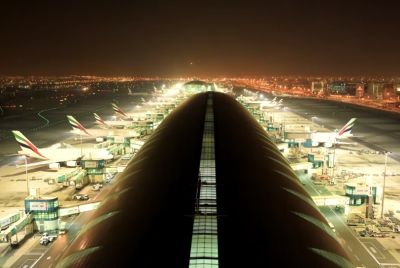
DUBAI, United Arab Emirates — Dubai International Airport (DXB) is open and operating on Thursday, April 2, 2026, with a limited but gradually improving schedule of flights as the world's busiest international hub continues to recover from weeks of disruptions caused by regional geopolitical tensions and occasional security incidents.
Real-time flight information from the official Dubai Airports website and tracking services shows a mix of departures and arrivals, primarily operated by home carriers Emirates and flydubai, along with a small number of regional and select international services. However, many foreign airlines maintain reduced or suspended schedules, meaning overall traffic remains well below normal capacity.
Passengers planning to travel through DXB today are strongly advised to check their specific flight status directly with their airline before heading to the airport. Dubai Airports has repeatedly emphasized that travelers should only proceed to the terminals if they have confirmed bookings and explicit instructions from their carrier, as schedules can change with little notice.
The current limited operations reflect a cautious recovery following significant challenges in March 2026. Airspace restrictions, drone-related incidents and security concerns tied to the broader Middle East conflict forced temporary suspensions and widespread cancellations earlier in the month. A drone impact that caused a fire near the airport on March 30 led to a brief full suspension of flights that morning, with some services diverted to the secondary Al Maktoum International Airport (DWC).
Since then, Dubai Airports has confirmed a gradual resumption of selected flights. Emirates is working toward restoring fuller operations, while flydubai continues with a reduced schedule across its network. As of late March and early April, many major international carriers — including several from Europe and Asia — have kept suspensions in place through mid-April or longer due to ongoing airspace uncertainties and high operational risks.
Flight tracking data indicates that movements at DXB have increased modestly in recent days but remain far below pre-crisis levels. Delays are described as moderate in some reports, with ground handling and baggage services occasionally experiencing backlogs from earlier disruptions.
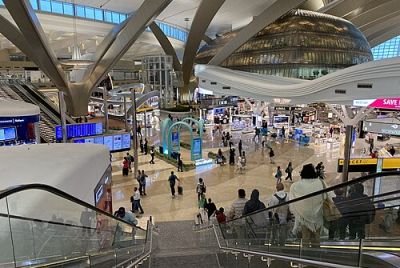
The airport's three terminals remain accessible for passengers with operating flights. Security screening may take longer than usual due to heightened protocols, and travelers should allow extra time for check-in and connections. Duty-free shops, lounges and dining options are available in active areas, though some sections may have reduced staffing aligned with lower flight volumes.
The broader context includes elevated oil prices stemming from the regional conflict, which have increased fuel costs for airlines and contributed to higher ticket prices on many routes. Jet fuel costs have risen sharply, prompting some carriers to adjust fares or capacity.
Dubai Airports and the UAE's General Civil Aviation Authority continue coordinating with international partners to restore safer, more predictable operations. No major new incidents were reported overnight into April 2, and weather conditions in the emirate are stable, supporting ground and air movements.
For those flying today, current conditions show a mix of on-time performances and manageable delays according to available tracking platforms. However, the situation remains fluid, and passengers with connections through DXB should verify all segments of their journey carefully.
The airport authority urges patience and preparation. Checking flight status via the official dubaiairports.ae website, airline apps or direct contact remains the most reliable step. Ground transportation options, including the Dubai Metro's Red Line and taxis, are functioning normally, though road traffic near the airport can still be unpredictable during peak hours.
The disruptions have affected hundreds of thousands of travelers worldwide, forcing rerouting through alternative hubs such as Istanbul, Doha, London or Zurich in many cases. Stranded passengers have been advised to contact their airlines for rebooking or refund options, which most carriers have extended during the period of instability.
Emirates, Dubai's flagship carrier, has maintained a reduced but active schedule and signaled intentions to scale up further once conditions permit. flydubai has focused on essential routes and repatriation flights where possible.
International airlines have issued varied guidance. Some, such as Air France, have targeted early April restarts, while others have extended suspensions into mid-April or beyond. Indian carriers and certain Asian operators have run limited services to assist with passenger movements.
The situation at DXB underscores the vulnerability of major aviation hubs to geopolitical developments and security threats. Dubai's strategic location as a global transit point makes any prolonged limitations create worldwide ripple effects for tourism, business travel and supply chains.
Airport officials have not issued any new closure notices for April 2, and operations continue on a limited scale. Enhanced safety measures remain in place, including additional screening and coordination with security forces.
Travelers with non-urgent plans are encouraged to consider postponing or rebooking where flexible policies allow. Those already at the airport should monitor gate information and announcements closely, as changes can occur rapidly.
The resilience of DXB staff, air traffic controllers and airline crews has been widely noted amid the challenges. Even with reduced capacity, essential connectivity has been maintained safely.
Looking ahead, full normalization of operations will likely take additional weeks as airlines rebuild networks, reposition aircraft and await clearer regional airspace guidance. Emirates has indicated a phased return toward fuller schedules subject to ongoing safety assessments.
In the meantime, the airport authority continues to prioritize passenger safety and clear communication. Real-time displays inside terminals and official digital channels provide the latest updates.
As of midday April 2, 2026, flight activity at Dubai International Airport shows limited but ongoing operations with moderate delays in some cases. The overall environment remains cautious but functional for those with confirmed services.
This evolving situation serves as a reminder for all air travelers in the region to maintain close contact with airlines, build flexibility into plans and prioritize verified information over general assumptions.
Dubai International Airport handled over 90 million passengers in recent peak years, cementing its role as a critical global connector. Thursday's limited activity demonstrates that while challenges persist, the hub remains open and committed to safe operations.
Passengers are reminded that entry requirements and visa rules for the UAE have not changed for eligible nationalities, though additional documentation or screening may apply in the current security climate.
For the latest status, travelers should visit dubaiairports.ae or contact their specific airline directly. Safety remains the overriding priority as Dubai Airports works through the current period of constrained but recovering operations.
© Copyright 2026 IBTimes AU. All rights reserved.
- Recommended For You