Dubai International Airport Open Today: DXB Runs 220+ Flights as Full Recovery Gains Momentum in April 2026
DUBAI, United Arab Emirates — Dubai International Airport (DXB) is fully open and operating today, April 10, 2026, with a steadily growing flight schedule as the world's busiest international hub continues its strong recovery from regional airspace disruptions earlier this year.
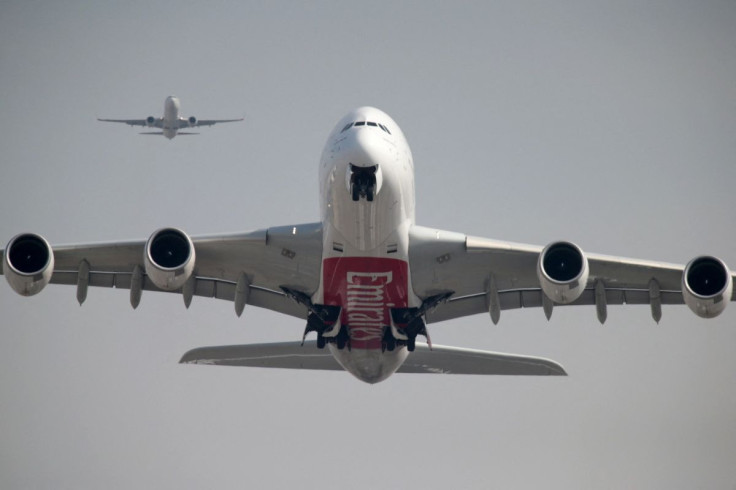
The airport is handling a significantly improved number of flights compared to the low point in March. On recent days, Emirates and flydubai together operated more than 220 passenger flights daily — the highest combined total since the regional tensions began in late February. As of April 10, real-time flight data shows dozens of departures already processed, including long-haul services to Rome, Casablanca, Buenos Aires and other destinations, with more scheduled throughout the day across all three terminals.
Operations have stabilized with very low delay status and no new security incidents reported. Emirates is currently running at roughly 70% of pre-crisis capacity, while flydubai operates at about 40%. Several international carriers, including Air France, have resumed select routes, and more European airlines are expected to return following the European Union Aviation Safety Agency (EASA) review.
Dubai Airports officials said in updated statements that passenger safety remains the priority while the network continues to rebuild. Travelers are still advised to arrive up to four hours before international departures due to potential congestion during this recovery phase and additional verification processes. Passengers should check their specific flight status directly with their airline before heading to the airport, as schedules can change on short notice.
The recovery follows a difficult period triggered by escalating Middle East conflicts involving Iran, Israel and related airspace restrictions across the Gulf. A drone-related incident near the airport in early March caused a brief full suspension, after which operations resumed on a limited basis. Gradual reopening began in mid-March, with limited repatriation and essential flights, followed by phased expansion through April as authorized corridors opened.
Hamad International Airport in neighboring Qatar and other regional hubs have followed similar recovery patterns. The recent U.S.-Iran ceasefire has brought cautious optimism, helping reduce immediate risks and allowing more commercial flights to resume. However, full restoration of unrestricted operations is still progressing, with some long-haul and certain regional routes remaining limited or suspended.
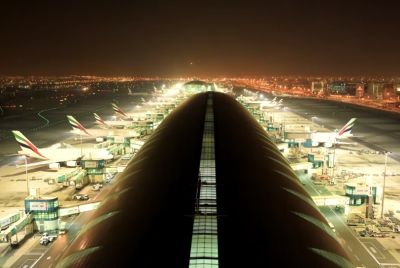
DXB handled over 90 million passengers in 2025 before the disruptions. The airport's modern infrastructure across Terminal 1, Terminal 2 and the massive Terminal 3 has enabled a relatively smooth ramp-up. Terminal 3, the primary hub for Emirates, features extensive luxury shopping, world-class lounges, hotels, and seamless connections. Even during reduced operations, passengers have praised the efficiency of biometric gates, smart security systems and high service standards.
For travelers flying today, the airport offers full amenities including free Wi-Fi, prayer rooms, medical clinics, children's play areas, and diverse dining options ranging from quick bites to fine dining. Ground transportation — including the Dubai Metro Red Line, taxis and ride-hailing services — is operating normally to and from the city.
Qatar Airways, Etihad and other Gulf carriers have also adjusted schedules in coordination with regional authorities. Airlines have maintained flexible rebooking and refund policies for tickets affected by the earlier disruptions, allowing changes up to later in 2026.
The situation at DXB is being closely watched globally, as the airport serves as a critical super-connector linking Europe, Asia, Africa and the Americas. Its swift recovery supports Dubai's tourism sector, business travel and the broader UAE economy, which depends heavily on aviation.
Long-term, Dubai continues pushing forward with the massive Al Maktoum International Airport (DWC) expansion project. The $35 billion development aims to eventually handle up to 260 million passengers annually, eventually taking over as the city's primary hub while DXB focuses on premium operations.
Travel experts recommend that passengers monitor official channels — the Dubai Airports website, mobile app, and airline notifications — for the latest updates. Those with connecting flights should allow extra buffer time during this transitional period. Enrollment in airline loyalty programs and use of lounge access can also improve the experience.
As April 10 operations demonstrate, DXB is regaining its rhythm. With schools reopened, Easter weekend traffic absorbed, and regional tensions easing, the airport is positioning itself for a strong summer travel season. More routes are expected to be added weekly as airlines rebuild crew schedules and secure final regulatory approvals.
The resilience shown by Dubai Airports, Emirates and flydubai during this challenging period highlights the UAE's advanced infrastructure and rapid response capabilities. Advanced security systems and close coordination between civil aviation authorities have been key to the safe and orderly recovery.
For those departing or transiting through Dubai today, the message from authorities is clear: the airport is open, flights are moving, and the iconic gateway is once again welcoming passengers from around the world — even as it continues building back toward full capacity
© Copyright 2026 IBTimes AU. All rights reserved.
- Recommended For You