Dubai International Airport Open Today? DXB Flight Status & Travel Alert March 30 2026
DUBAI, United Arab Emirates — Dubai International Airport (DXB) is open and operating on Monday, March 30, 2026, with flights departing and arriving despite lingering effects from severe weather, regional security tensions and earlier airspace restrictions that have constrained operations for much of the month.
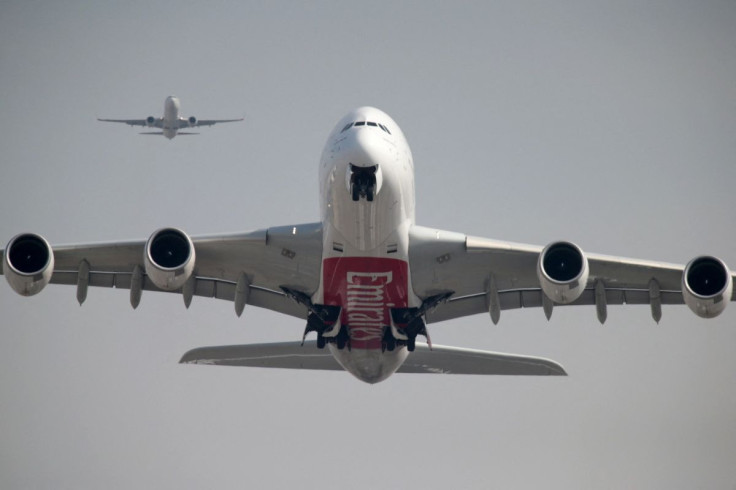
Real-time flight information from the official Dubai Airports website shows multiple services boarding and departing on schedule or with minor delays Monday morning, including Emirates flights to Guangzhou, Dhaka and Mauritius. The airport, one of the world's busiest international hubs, continues limited but functional operations focused primarily on Emirates and flydubai services, with some regional carriers also active.
Passengers are strongly advised to check their specific flight status directly with their airline before heading to the airport, as schedules remain fluid. Dubai Airports has emphasized that travelers should only proceed to DXB or the secondary Al Maktoum International Airport (DWC) if they have confirmed bookings and explicit instructions from their carrier.
The current status reflects a gradual stabilization following weeks of challenges. Regional geopolitical tensions, including airspace closures and incidents involving drone activity linked to the broader Middle East conflict, led to temporary suspensions and restrictions on foreign airlines earlier in March. Many international carriers from Europe, Asia and North America extended cancellations through late March or beyond, rerouting passengers via alternative hubs.
Emirates and flydubai, the dominant operators at DXB, have maintained reduced schedules of roughly 200-220 departures on recent days, operating at about 60% of pre-crisis capacity in some periods. The airline group has worked to reposition aircraft and rebuild networks while prioritizing safety amid restricted airspace corridors.
Heavy rainfall earlier in the week added further strain. Forecasters described storms bringing what amounted to a year's worth of rain in days, causing widespread flooding across Dubai and the UAE. Roads became impassable in places, stranding vehicles and complicating ground access to the airport. While the airport itself stayed open, flights experienced delays, and authorities deployed crews to clear water and restore normal traffic flow.
On March 27, for instance, DXB handled operations despite submerged underpasses and traffic chaos in the surrounding city. No major structural damage to airport facilities was reported from the weather, though ground handling and passenger movement faced disruptions. Similar warnings were issued for March 23-27, with Emirates urging travelers to allow extra time and confirm flights in advance.
A separate incident on March 25 involved drone debris striking the roof of Terminal 3's arrivals area, triggering a brief shutdown and fire alarms. Average delays reached about 85 minutes that day, but operations resumed after safety checks. No injuries were reported, and the event underscored the layered challenges facing aviation in the region.
Foreign airlines faced the most severe restrictions. Several major carriers, including Lufthansa Group, British Airways, Air France, Cathay Pacific and others, suspended services to DXB through March 31 or later. Some extended cancellations into April or May due to ongoing airspace concerns and operational complexities. Indian carriers such as Air India and IndiGo operated limited repatriation and scheduled flights to help stranded passengers while adjusting routes to avoid restricted zones.
Dubai Airports has coordinated with authorities for a phased return to fuller capacity. Official advisories stress that while terminals remain accessible, full normalization depends on evolving security conditions, weather recovery and airline network rebuilding. Schedules could still change at short notice, and passengers are encouraged to update contact details for real-time notifications.
For those traveling Monday, current conditions show low and decreasing delays according to flight tracking services. Weather has improved since last week's storms, though forecasters continue monitoring any residual instability. Ground transportation to the airport — including taxis, ride-hailing services and the Dubai Metro's Red Line connection — has largely returned to normal, but travelers are cautioned to factor in potential rush-hour congestion.
The airport's three terminals continue normal passenger processing where flights are operating. Security checks may take longer due to heightened protocols, and baggage services could face backlogs from earlier disruptions. Duty-free shops, lounges and dining options remain available in open areas.
Travelers with bookings on Emirates or flydubai should monitor the airlines' apps and websites closely. Both carriers have issued repeated advisories emphasizing flexibility and direct confirmation of flight status. Other airlines with limited services have similar guidance.
The broader context includes the impact on global connectivity. DXB serves as a critical transfer point for millions of passengers annually. Disruptions have forced rerouting through hubs like London, Zurich, Istanbul or Doha where possible, creating ripple effects on long-haul travel.
Aviation analysts note that while the airport is physically open, the effective capacity remains constrained. Foreign carrier bans or suspensions implemented mid-month limited traffic significantly until gradual easing allowed more regional and select international flights.
No new major incidents were reported over the weekend leading into March 30. Dubai Airports and the UAE's General Civil Aviation Authority continue working with international partners to restore safer, more predictable operations.
For international visitors or transit passengers, entry requirements and visa-on-arrival rules remain unchanged for eligible nationalities, though some travelers have faced additional screening or documentation requests amid the security environment.
Business and leisure travelers alike are reminded that flexibility is key. Those with non-urgent plans may consider postponing or rebooking through airline portals, where rebooking options or refunds are often available for disrupted services.
The situation at DXB highlights the resilience of modern aviation infrastructure even under compounded pressures of weather extremes and geopolitical strain. Crews, air traffic controllers and ground staff have maintained operations with professionalism, though the human toll on delayed passengers and crew has been notable.
Looking ahead, full recovery will likely extend into April as airlines rebuild schedules and regional airspace normalizes. Emirates has signaled intentions to scale up toward fuller operations once conditions permit, subject to safety assessments.
In the meantime, the airport authority urges patience and preparation. Checking flight status via the official dubaiairports.ae site or airline platforms remains the most reliable step before any journey.
Dubai International Airport handled over 80 million passengers in peak pre-crisis years, underscoring its global importance. Monday's operations, while limited compared to normal volumes, demonstrate that essential connectivity continues despite challenges.
Passengers arriving or departing should also prepare for possible changes in boarding gates or procedures as the airport manages variable traffic. Real-time displays inside terminals provide the latest updates.
As of midday Monday, March 30, flight tracking indicated ongoing activity with a mix of on-time performances and manageable delays. The overall delay status was classified as low.
This evolving situation serves as a reminder for all air travelers in volatile regions to maintain close contact with airlines and build buffers into travel plans. Safety remains the overriding priority for all involved.
Dubai Airports has not issued any new closure notices for March 30, and official channels confirm continued operations. Travelers planning connections through DXB should verify onward flights carefully, as knock-on effects from earlier weeks may persist.
In summary, yes, Dubai International Airport is open today. However, with reduced schedules, potential delays and the need for direct airline confirmation, careful planning is essential for a smooth journey.
© Copyright 2026 IBTimes AU. All rights reserved.
- MOST POPULAR IN Travel Tips