Dubai Airport Reopens Strong: DXB Back in Action After Regional Turmoil as Flights Resume
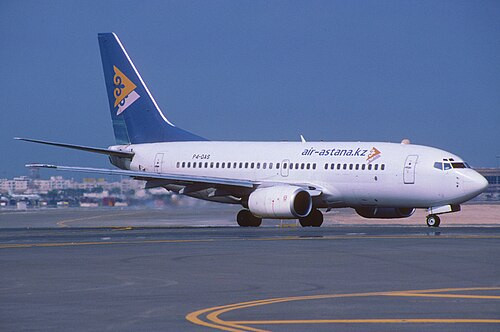
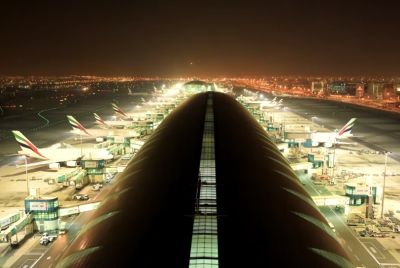
DUBAI, United Arab Emirates — Dubai International Airport, one of the world's busiest aviation hubs, has resumed operations following a period of disruption caused by regional tensions, with flights now processing across all three terminals as of April 2026.
The airport, known globally as DXB, faced significant challenges after airspace restrictions and security concerns linked to escalating Middle East developments in late February. Operations were suspended or severely limited starting around Feb. 28, prompting airlines to halt services and advise passengers to stay away until further notice. Limited flights began returning on March 2, marking the start of a cautious recovery that has gained momentum in recent weeks.
As of Tuesday, April 21, Dubai International Airport remains open and operational, handling arrivals and departures on a reduced but steadily improving schedule. Dubai Airports, the operator, continues to urge travelers to confirm their exact departure times directly with their airlines before heading to the facility. The advisory, in place since late February, reflects ongoing caution even as a ceasefire announced earlier in April has eased some immediate pressures.
"Dubai Airports is currently operating a limited schedule of flights to and from Dubai International (DXB)," the official operator stated on its website. Passengers are strongly advised to check flight status frequently, as schedules can shift as airlines reposition aircraft and rebuild networks. No major new incidents have been reported in recent days, and operations across Terminals 1, 2 and 3 are active, though not yet at pre-crisis levels.
The disruption stemmed from broader regional airspace closures tied to security developments, including reported drone threats and tensions involving multiple parties in the Middle East. On March 1 and 2, authorities announced a phased resumption, allowing a small number of flights from both DXB and the secondary Al Maktoum International Airport (DWC). Emirates and flydubai led the initial restarts, gradually expanding routes as safety assessments continued.
By early April, recovery had accelerated. Reports from mid-April showed Emirates and flydubai combining for more than 220 passenger flights on some days — the highest volume since the initial halt. International carriers such as Air France signaled plans to resume or extend services, while other airlines adjusted operations amid insurance and regulatory considerations from bodies like the European Union Aviation Safety Agency (EASA). A key deadline around April 24 has been watched closely for potential further normalization.
Travelers have faced a mix of delays, cancellations and longer processing times during the recovery phase. On some days in mid-April, more than 100 flights experienced delays across Dubai airports, with immigration queues occasionally stretching to 90 minutes as stranded or rebooked passengers navigated changes. Dubai Airports and airlines have emphasized clear communication, with many carriers offering flexible rebooking options and one-time date changes without fees.
The airport's resilience has drawn praise from aviation observers. Despite the challenges, DXB has continued to demonstrate the robustness of its infrastructure. All three terminals have remained accessible, with DWC absorbing some overflow for cargo and select passenger operations. A temporary cap limiting foreign airlines to one rotation per day at both DXB and Al Maktoum took effect April 20 and is set to run through May 31, aimed at managing capacity during the stabilization period.
Dubai International Airport typically handles upward of 90 million passengers annually, serving as a critical global connector between Europe, Asia, Africa and beyond. Home to Emirates, the world's largest international airline by passenger traffic, DXB has long symbolized the emirate's ambition as a tourism and business powerhouse. The brief suspension highlighted the airport's strategic importance not just to Dubai but to international travel patterns across the region.
In the background, long-term plans for Dubai's aviation future continue to advance. Construction on the massive expansion of Al Maktoum International Airport (DWC) is accelerating, with ambitions to eventually shift the bulk of operations there by around 2032. The project, backed by a multi-billion-dirham investment, envisions DWC becoming the world's largest airport, with capacity for up to 260 million passengers once fully realized. Five parallel runways and extensive new terminals are part of the master plan approved in recent years.
For now, the focus remains on stabilizing DXB. Airlines have been rebuilding networks incrementally. Emirates has restored many routes while keeping others on hold or operating at reduced frequency. flydubai has similarly adjusted its low-cost network. International partners from Europe, Asia and the Indian subcontinent have coordinated closely with UAE authorities to resume services safely.
Passengers arriving or departing in recent weeks have reported a return to something closer to normalcy, though with visible reminders of the disruption — fewer crowds in some areas, enhanced security checks and frequent announcements urging confirmation of flight details. Dubai itself has emphasized stability, with authorities stating that the city remains open for business and daily life continues as usual outside the aviation adjustments.
The April 8 ceasefire provided a turning point, reducing immediate risks and allowing airlines greater confidence to expand schedules. Yet full normalization depends on sustained calm and evolving regulatory guidance. European carriers, in particular, have monitored insurer positions and EASA updates, with some extensions of operational pauses noted into late April.
Aviation experts note that such disruptions, while disruptive, underscore the interconnected nature of global air travel. Dubai's quick pivot to limited operations and transparent advisories have helped mitigate passenger hardship. Support measures, including hotel accommodations for some affected travelers and rebooking flexibility, have been rolled out by major carriers.
Looking ahead, Dubai Airports expects schedules to evolve rapidly in the coming weeks. The operator has warned that changes could continue as airlines rebalance fleets and demand rebounds. Travelers planning trips through DXB are encouraged to monitor official channels, airline apps and the Dubai Airports flight status page for real-time updates.
The episode has also spotlighted broader conversations about aviation resilience in geopolitically sensitive regions. Dubai's position as a neutral hub has historically allowed it to thrive, and officials appear determined to restore that status swiftly. Tourism stakeholders have expressed optimism that visitor numbers, which dipped during the suspension, will recover as confidence returns.
For millions of transit passengers who rely on DXB for connections, the resumption brings relief. The airport's world-class facilities — from luxury lounges and extensive shopping to efficient immigration processes when operating normally — remain ready to welcome back full volumes.
As operations stabilize, attention will shift toward maintaining safety while ramping up capacity. With summer travel seasons approaching and major events on the horizon in the UAE, the coming months will test how quickly DXB can return to its role as a premier global gateway.
Dubai International Airport's reopening, though phased and still tempered by caution, signals resilience and adaptability. From the initial limited flights in early March to the broader activity seen in April, the hub has demonstrated why it ranks among the most important in international aviation.
Travelers are reminded that while the airport is open today and processing flights, the situation remains dynamic. Checking with airlines, reviewing advisories and allowing extra time at the airport are essential steps for a smooth journey.
In the heart of the desert, where ambition meets precision, Dubai International Airport continues to connect the world — one carefully managed flight at a time. As regional skies calm and schedules expand, the iconic hub stands ready to reclaim its position at the forefront of global travel.
© Copyright 2026 IBTimes AU. All rights reserved.
- Recommended For You