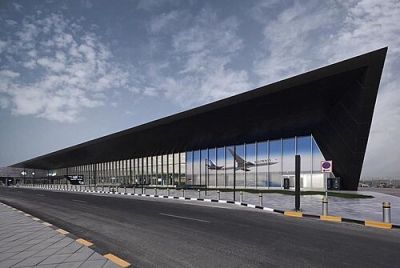
Kuwait International Airport Resumes Operations After Closure as Regional Tensions Ease in 2026
KUWAIT CITY — Kuwait International Airport partially reopened this week following a two-month closure triggered by regional conflicts, marking a significant step toward restoring normal air travel in the Gulf nation as limited commercial flights resumed from Terminals 4 and 5 starting late April. The phased reopening brings relief to travelers and businesses after airspace suspension that disrupted thousands of journeys amid heightened security concerns.

The Directorate General of Civil Aviation announced the gradual return to operations after Kuwait's airspace reopened on April 23. Kuwait Airways and Jazeera Airways began limited services on April 26 from dedicated terminals, initially operating during specific hours to selected destinations. Authorities emphasize safety and a cautious ramp-up as full capacity restoration continues.
Background of the Closure
The airport shut down commercial passenger flights in late February 2026 due to escalating tensions involving Iran and broader Middle East instability. Missile threats and security risks prompted the precautionary measure, affecting regional connectivity and forcing rerouting through alternative hubs like Dubai and Doha.
The closure impacted Kuwait's economy, aviation sector and residents reliant on international travel for business, family visits and medical needs. Cargo operations faced delays, while expatriate communities experienced extended separations. Airlines incurred substantial losses from canceled flights and repositioning aircraft.
Phased Reopening Details
Initial operations focus on Terminals 4 and 5, handling a fraction of previous capacity with around 40 daily flights split between arrivals and departures. Kuwait Airways resumed select routes, prioritizing safety protocols and coordination with international partners. Jazeera Airways, the low-cost carrier, transitioned operations back to Terminal 5 for efficiency.
Travelers should expect limited schedules, potential delays and strict security measures during the early phase. Airlines advise checking updates frequently as routes expand gradually. Terminal 1 remains under review for repairs and full reactivation.
Passengers with existing bookings received notifications for rebooking or refunds where necessary. Travel insurance claims surged during the closure period, highlighting the importance of comprehensive coverage for regional trips.
Economic and Regional Impact
Aviation contributes significantly to Kuwait's diversification efforts beyond oil. The airport serves as a gateway for business, tourism and labor mobility in the Gulf. Reopening supports recovery in hospitality, retail and logistics sectors affected by reduced passenger traffic.
Regionally, the development aligns with stabilizing airspace across neighboring countries. Coordinated efforts among Gulf states aim to restore connectivity while maintaining heightened security. The event underscores aviation's vulnerability to geopolitical events and the need for resilient infrastructure.
Traveler Advice and Precautions
Authorities recommend confirming flight status directly with airlines before heading to the airport. Arrive earlier than usual due to enhanced screening procedures. Carry essential documents, including visas and health certificates where required for destinations.
For those with upcoming travel, flexible booking options and insurance provide protection against future disruptions. Apps and airline websites offer real-time updates on schedules and terminal information. Ground transportation and hotel transfers may require adjustments during the transition period.
Expatriates and visitors welcomed the news, easing concerns over family reunions and business continuity. Kuwaiti officials expressed commitment to full operational restoration as conditions permit.
Future Outlook for Kuwait Aviation
Long-term plans include modernization of facilities and expansion to handle growing demand. Terminal 2 projects, though delayed, aim to boost capacity significantly in coming years. Investments in technology and sustainability position Kuwait as a potential regional hub.
The incident highlights broader challenges facing Gulf aviation, from geopolitical risks to infrastructure demands. Collaboration with international bodies ensures compliance with global safety standards during recovery.
As operations normalize, focus shifts to rebuilding passenger confidence and expanding route networks. Successful phased reopening could serve as a model for other nations facing similar disruptions.
Kuwait International Airport's return to service represents hope amid uncertainty, reconnecting families, facilitating commerce and reaffirming the nation's role in regional connectivity. Travelers and aviation professionals monitor developments closely as full operations resume in the coming weeks.
© Copyright 2026 IBTimes AU. All rights reserved.
- Recommended For You