US and Iran Sign Electronic MoU to End War as Trump Orders Strait of Hormuz Reopened
Memorandum of Understanding marks significant de-escalation, with 60 days of talks on nuclear program and sanctions relief.
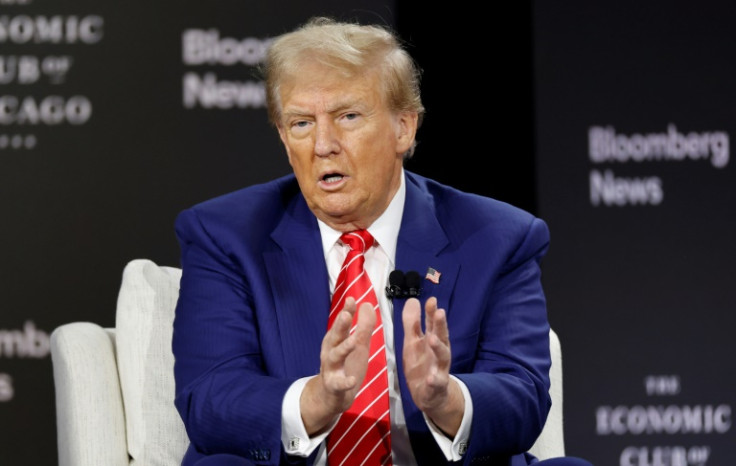
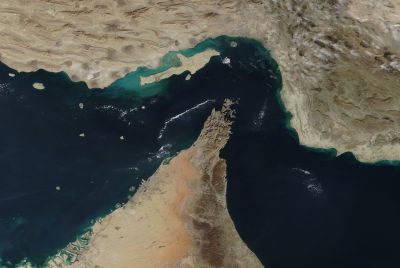
WASHINGTON — The United States and Iran have signed a memorandum of understanding to end their conflict, with President Donald Trump announcing the immediate lifting of the naval blockade and the full reopening of the Strait of Hormuz by Friday, marking a significant de-escalation after more than three months of fighting that disrupted global energy markets.
The agreement, signed electronically, was confirmed by both sides on Monday. It ends military operations on all fronts, including in Lebanon, and sets the stage for 60 days of technical talks on Iran's nuclear program and potential sanctions relief. The deal was mediated with assistance from Pakistan and is scheduled for formal signing in Switzerland on Friday.
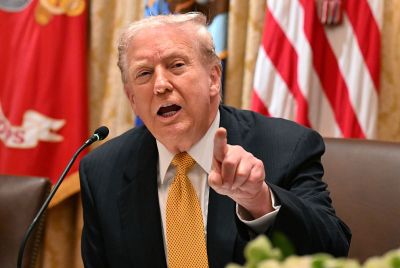
Trump described the agreement as complete in a statement, authorizing the immediate removal of the blockade. "The deal with the Islamic Republic of Iran is now complete," he posted on Truth Social. "Congratulations to all! I hereby fully authorize the toll-free opening of the Strait of Hormuz, and, simultaneously herewith, authorize the immediate removal of the Naval blockade. Ships of the world, start your engines. Let the oil flow!"
US officials told Reuters and AFP that the MoU was signed by Trump, Vice President JD Vance and Iranian Parliament Speaker Mohammad Bagher Ghalibaf. The document is described as a general framework, roughly a page and a half long, focusing on ceasefire implementation and initial confidence-building measures.
Key Provisions and Areas of Agreement
Iran's National Security Council stated that the deal ends fighting across all fronts and lifts the US naval blockade on Iranian ports. Both sides have indicated that follow-up negotiations on the nuclear program and sanctions relief will occur during the 60-day period after the formal signing.
Vance emphasized in interviews that there has been no immediate sanctions relief or release of frozen assets. "There hasn't been a single dollar of sanctions relief or unfrozen assets" from Washington or its allies, he told US media. He also confirmed there would be no tolls on traffic in the Strait of Hormuz during the initial 60-day window.
Iranian officials framed the agreement as a victory for Tehran following what they described as "historic resistance." Ghalibaf wrote on X that the country had taken a "great step toward final victory." Iranian media reported that at least three oil tankers and other ships carrying goods for Iran had already crossed the strait following the announcement.
Reactions in Iran, US and Israel
In Iran, the deal has been portrayed positively by state media, with officials highlighting the end of the blockade and the prospect of restored oil exports. However, some analysts note that full recovery of shipping through the strait may take time due to mine clearance, insurance costs and the need for incident-free transits.
In the United States, reactions have been sharply divided along partisan lines. Republicans have largely welcomed the agreement as a diplomatic success, while Democrats have criticized it. Senator Richard Blumenthal likened the outcome to the UK's Suez Canal crisis, suggesting it represented a strategic setback. Republican Senator John Thune said he expected Congress to be briefed and potentially vote on aspects of the deal.
Israel has expressed reservations. Prime Minister Benjamin Netanyahu stated that Israeli troops would continue to occupy southern Lebanon despite the broader agreement. Members of his cabinet have called for continued operations against Hezbollah, indicating that Israel does not consider itself bound by the US-Iran framework on all issues.
In Lebanon, the ceasefire has been welcomed, though Israeli attacks continued on Monday, killing at least one person. Thousands of displaced Lebanese have begun returning to southern areas amid ongoing exchanges of fire.
Global and Economic Repercussions
Ukrainian Foreign Minister Andrii Sybiha welcomed the MoU, hoping it would encourage renewed US efforts to end the war with Russia. Japanese officials expressed concern about continued Israeli actions in southern Lebanon.
Oil prices rose modestly following the announcement, with Brent crude gaining 0.3% to $83.42 per barrel and West Texas Intermediate rising 0.3% to $81.12 per barrel. Traders remain cautious, noting that full resumption of shipping could take weeks due to logistical challenges.
The International Energy Agency and shipping experts have warned that undersea mines, elevated insurance premiums and the need for verified safe passages mean recovery will be gradual rather than immediate. Saman Rezaei, head of Iran's merchant marine union, told Al Jazeera that the transit system "will never return to its pre-war condition," emphasizing the need for sustainable peace.
Path to the Agreement and Next Steps
The conflict, which began more than 100 days ago, involved direct US and Israeli actions against Iran. Back-channel diplomacy intensified in recent weeks, leading to the current framework. The MoU serves as an initial step rather than a comprehensive settlement, with 60 days allocated for deeper negotiations on nuclear issues.
Questions remain about the handling of nuclear material, the timeline for sanctions relief and verification mechanisms. Both sides have expressed cautious optimism, but implementation will require sustained engagement and international oversight.
For the United States, the deal represents a foreign policy achievement amid domestic political considerations. For Iran, it offers relief from economic isolation and the prospect of normalized trade. Regional actors, particularly Israel and Lebanon, will continue to influence the stability of the agreement.
As the world watches the situation unfold, the focus shifts to the formal signing in Switzerland and the critical 60-day period that follows. Success in these talks could mark a turning point for Middle East stability, while any setbacks risk renewed tensions in a region long plagued by conflict.
The US-Iran memorandum of understanding brings a tentative end to active hostilities, but its long-term impact will depend on the commitment of all parties to the follow-up process. For now, the reopening of the Strait of Hormuz offers hope for economic recovery and reduced global energy risks, though challenges remain in translating the agreement into lasting peace.
© Copyright 2026 IBTimes AU. All rights reserved.
- Recommended For You