US and Iran Reach Agreement to End War with Trump Announcing Reopening of Strait of Hormuz
Agreement ends months of conflict, lifting U.S. naval blockade and stabilising energy markets

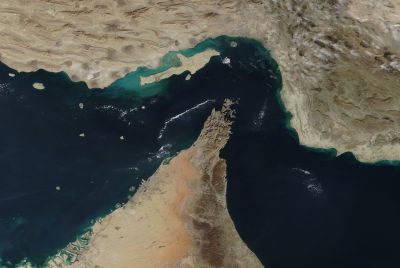
WASHINGTON — The United States and Iran have reached a landmark agreement to end months of conflict, with President Donald Trump announcing the reopening of the strategically vital Strait of Hormuz and the lifting of the U.S. naval blockade on Iranian ports, offering significant relief to global energy markets and easing fears of prolonged regional instability.
The deal, mediated in part by Pakistan, is set to be formally signed in Switzerland as early as Friday, according to multiple reports. It includes an immediate ceasefire across all fronts, including operations in Lebanon, and paves the way for further negotiations on Iran's nuclear program and sanctions relief. Oil prices fell sharply following the announcement as traders priced in the prospect of resumed flows through the critical waterway.
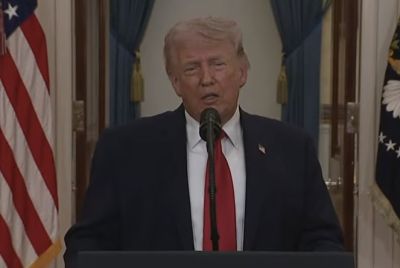
Trump confirmed the breakthrough on social media, stating the deal was complete and authorizing the immediate removal of the naval blockade. "Let the oil flow!" he wrote, emphasizing the economic benefits of restored shipping access.
Iranian officials framed the agreement as a victory for Tehran, with state media reporting that the text of a memorandum of understanding had been finalized. The country's deputy foreign minister described it as a step toward broader regional stability, though details on nuclear material and long-term security arrangements remain subject to further talks.
Key Elements of the Agreement
The preliminary deal calls for the immediate and permanent termination of military operations, the reopening of the Strait of Hormuz to all shipping without tolls, and the lifting of the U.S. blockade imposed earlier in the conflict. Mediators from Pakistan and Qatar played key roles in brokering the understanding.
Questions persist over crucial issues, including the handling of Iran's nuclear program, the status of frozen assets and the presence of Israeli forces in Lebanon. Israel has indicated that its operations there would continue independently, despite the broader ceasefire framework.
The agreement comes after more than three months of fighting that disrupted global shipping, drove up energy prices and raised fears of wider escalation involving multiple regional actors. The prospect of restored oil flows has already eased market concerns, with analysts noting "every chance of avoiding a prolonged energy shock."
Reactions from Key Parties
In Iran, the deal has been portrayed as a strategic success against U.S. and Israeli pressure. Senior officials hailed the outcome as a demonstration of resilience, while cautioning that full implementation would require careful monitoring.
Lebanon welcomed the end to military operations, viewing it as a step toward de-escalation in a country long affected by cross-border tensions. However, Israeli statements underscored ongoing differences, with officials vowing to maintain security measures independently.
Global leaders have broadly welcomed the news, expressing hope that the agreement will stabilize energy markets and reduce humanitarian risks. European officials emphasized the importance of addressing nuclear concerns in subsequent talks to ensure long-term compliance.
Economic and Market Impact
The announcement triggered an immediate drop in oil prices, providing relief to consumers and industries worldwide. Energy analysts project increased supply through the Strait of Hormuz, which handles a significant portion of global seaborne oil trade, could help moderate prices in the coming weeks.
Stock markets reacted positively, with gains in transportation and consumer sectors as fears of supply disruptions eased. Broader financial markets also benefited from reduced geopolitical risk premium.
For the U.S. economy, lower energy costs could support consumer spending and help moderate inflation pressures. The agreement is expected to benefit American businesses reliant on stable international shipping routes.
Background and Path to Agreement
The conflict escalated earlier this year, leading to direct confrontations and a U.S. naval blockade that severely restricted Iranian oil exports. Diplomatic efforts, intensified through back-channel talks and mediation by regional partners, culminated in the current framework.
Pakistan's prime minister announced that a final agreed text had been reached, with the signing ceremony planned for Geneva. The memorandum serves as an initial step, with 60 days allocated for deeper negotiations on nuclear issues and sanctions.
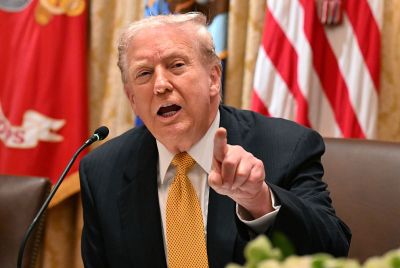
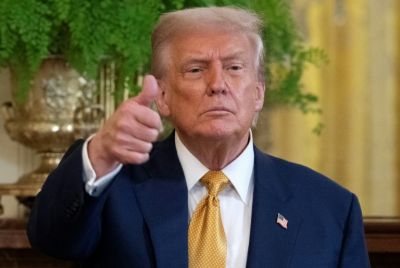
Both sides have expressed cautious optimism. Trump highlighted the deal as a major diplomatic achievement, while Iranian officials stressed their core demands had been addressed without compromising sovereignty.
Challenges Ahead
Significant hurdles remain in fully implementing and sustaining the agreement. Verification mechanisms for ceasefire compliance, timelines for sanctions relief and monitoring of nuclear activities will require robust international oversight. Differences between the U.S., Iran and Israel could complicate long-term stability.
Humanitarian concerns persist in affected regions, with calls for accelerated aid delivery and reconstruction efforts. The deal's success will ultimately depend on sustained diplomatic engagement and mutual adherence to commitments.
Broader Regional and Global Implications
The agreement represents a significant de-escalation in one of the world's most volatile regions, potentially opening pathways for broader diplomatic initiatives. It could influence dynamics involving other actors, including proxy groups and neighboring states.
For global energy security, restored access to the Strait of Hormuz reduces risks of supply shocks that have historically roiled markets. The development also underscores the role of diplomacy in resolving high-stakes conflicts amid complex alliances.
As details of the full text emerge, analysts will assess its durability and potential for expansion into a comprehensive regional framework. For now, the announcement brings cautious hope that months of conflict may give way to renewed stability and economic recovery.
The U.S.-Iran agreement marks a pivotal moment in international relations, demonstrating that even entrenched adversaries can find common ground when strategic interests align. Its implementation will be closely watched by markets, governments and citizens across the Middle East and beyond as the world assesses prospects for lasting peace.
© Copyright 2026 IBTimes AU. All rights reserved.
- Recommended For You