VIX Drops to 15.89 as Markets Calm Following US-Iran Ceasefire and Strait of Hormuz Reopening
Geopolitical relief and economic stability drive volatility decline

NEW YORK — The VIX, Wall Street's widely followed "fear gauge," fell 0.31 points or 1.91% on Monday to close at 15.89, its lowest level in weeks, as investors embraced the US-Iran peace agreement and the reopening of the Strait of Hormuz, easing geopolitical tensions and boosting risk appetite across global markets.
The decline in the Chicago Board Options Exchange Volatility Index signals a continued unwinding of protective positions as concerns over prolonged energy supply disruptions faded. With the naval blockade lifted and shipping lanes restored, traders have grown more comfortable taking on risk, leading to lower implied volatility readings.
The VIX measures expected volatility in the S&P 500 over the next 30 days based on options pricing. A level below 16 generally indicates relatively calm market conditions, though readings can shift rapidly with new developments. Monday's drop continues a trend of compression that began after the ceasefire announcement, allowing investors to focus more on corporate earnings and economic fundamentals.
Geopolitical Relief Drives Volatility Decline
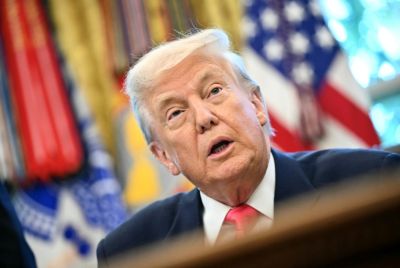
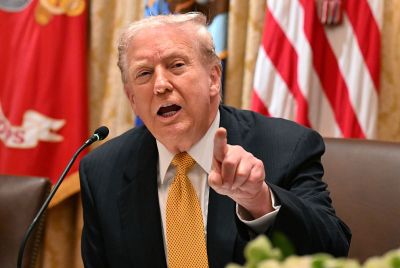
The US-Iran agreement, which includes the immediate reopening of the Strait of Hormuz to all shipping without tolls during the initial period, has been the dominant positive catalyst. President Donald Trump's confirmation of the deal removed a major risk premium that had kept volatility elevated. Oil prices moderated, supporting corporate margins and consumer spending expectations.
Traders rushed to sell volatility products and cover short positions as the market priced in a lower-risk environment. The VIX often moves inversely to stock prices, and Monday's synchronized rally in equities and decline in volatility exemplified this dynamic during positive geopolitical news.
Analysts described the move as consistent with historical patterns following major risk reductions. When headline uncertainties subside, implied volatility tends to compress as hedging activity decreases and capital flows toward growth assets.
Broader Market Reaction
The VIX decline coincided with strong performance across major indices. The Dow Jones Industrial Average and Nasdaq Composite posted gains, with technology and financial sectors leading advances. The Russell 2000 small-cap index also rose, indicating that the positive sentiment extended beyond large-cap names.
Lower energy costs are expected to provide relief to households and businesses, supporting consumer spending and corporate profitability. This environment generally favors lower volatility as economic growth prospects improve and inflationary pressures moderate.
The Federal Reserve's steady policy stance has contributed to market stability, with investors gaining clarity on the interest rate outlook. The combination of geopolitical relief and domestic economic resilience has created favorable conditions for reduced market swings.
Implications for Investors and Traders
A lower VIX creates opportunities for strategies that benefit from reduced volatility, such as covered call writing or volatility-selling approaches. However, many investors maintain some hedging as a prudent measure given the potential for unexpected developments during the agreement's implementation phase.
For portfolio managers, the decline in implied volatility lowers the cost of protective options, making it more affordable to guard against downside risk while staying invested in equities. This environment generally supports growth stocks and cyclical sectors that perform well when uncertainty is low.
Retail investors have shown increased participation in recent sessions, with many viewing the calmer market as an opportunity to add to positions. The VIX's decline has coincided with inflows into equity funds, reflecting broader confidence.
Historical Context of VIX Movements
The VIX has experienced notable swings in 2026 amid fluctuating geopolitical risks, inflation trends and corporate earnings cycles. Periods of de-escalation have historically led to compressed volatility as markets refocus on fundamentals.
Monday's move aligns with past patterns where resolution of major international crises triggered relief rallies and VIX compression. The index's sensitivity to news flow makes it a useful real-time barometer of investor sentiment.
While the VIX is not a perfect predictor, sustained lower readings often coincide with periods of steady market advances. However, sharp drops can sometimes precede periods of consolidation rather than continued calm.
What the Current Level Signals
A VIX around 16 indicates that options traders expect relatively contained daily movements in the S&P 500 over the coming month. This level is below long-term averages but not at extremes that might signal complacency. The reading suggests markets are functioning normally without excessive fear or euphoria.
The decline in volatility benefits a wide range of strategies and market participants. It reduces hedging costs, supports corporate borrowing and generally encourages capital allocation toward productive investments rather than defensive positions.
For the broader economy, lower market volatility often correlates with improved business confidence and investment decisions. Companies may feel more comfortable expanding operations or making capital expenditures when external uncertainties are reduced.
Looking Ahead
Market participants will closely monitor developments around the Iran agreement's implementation, including verification of the ceasefire and progress on nuclear discussions. Any setbacks could quickly reverse some of the volatility compression seen recently.
Upcoming economic data, including inflation readings and manufacturing surveys, will also influence the VIX. Stronger-than-expected growth with contained inflation could support further declines in volatility, while surprises in either direction might prompt renewed hedging activity.
The Federal Reserve's next policy meeting will be watched for signals on interest rates. A stable or easing policy path in a lower-risk global environment would generally be positive for maintaining subdued volatility levels.
As 2026 continues, the VIX will remain a key indicator of market stress and investor sentiment. Monday's decline suggests investors are breathing easier after months of geopolitical concerns, though the index's history shows that calm periods can be interrupted by new developments.
For now, the lower VIX reading indicates a market that is functioning with reduced fear, allowing focus to shift toward corporate earnings and economic fundamentals. Whether this calm persists will depend on the durability of the US-Iran agreement and the broader global economic picture.
© Copyright 2026 IBTimes AU. All rights reserved.
- Recommended For You