Hamad International Airport Open Today: Limited Flights Resume at Doha DOH Amid Regional Airspace Recovery
DOHA, Qatar — Hamad International Airport (DOH) is open today, April 9, 2026, and operating on a gradually expanding but still limited schedule as Qatar continues its phased recovery from months of airspace restrictions caused by regional Middle East tensions.
The airport, one of the world's premier international hubs and home base of Qatar Airways, has been functioning with restricted operations since mid-March 2026 after Qatari airspace was temporarily closed due to security concerns linked to Iran-Israel conflicts and broader Gulf instability. While not fully back to normal, Hamad International Airport is handling commercial passenger and cargo flights through authorized limited corridors approved by the Qatar Civil Aviation Authority.
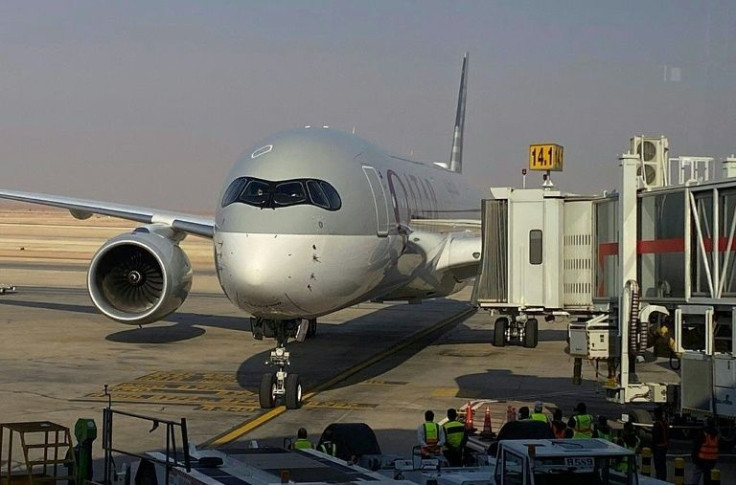
As of April 9, Qatar Airways is operating approximately 109 daily departures to more than 90 destinations, with further expansion planned. On April 7, the airline announced additional routes resuming from mid-April, including AlUla, Geneva, Los Angeles, Seattle, and Stockholm Arlanda. However, many long-haul and regional routes remain suspended or heavily reduced, with schedules subject to short-notice changes.
Current flight information from the official Hamad International Airport website and Qatar Airways shows a mix of departed, on-time, and some cancelled flights. For example, services to London Heathrow, Lahore, Chennai, and Peshawar were active on April 8, while several others to nearby destinations like Sharjah were cancelled. Delay status at the airport remains very low on operating flights, according to tracking services, with passengers reporting smoother processing than in previous weeks.
Airport officials advise travelers not to arrive more than four hours before their scheduled departure and to check flight status in advance via the Qatar Airways app or website before heading to the airport. Only passengers with confirmed bookings should proceed to the terminal. Transit passengers have seen improved connectivity since late March.
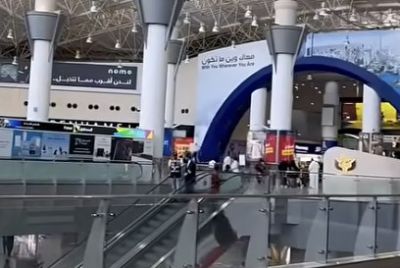
Hamad International Airport's world-class facilities in Terminal 1 remain partially open, with reduced shopping, dining, and lounge services. The airport continues to offer free Wi-Fi, prayer rooms, medical services, and children's areas for those transiting or departing. Security screening and immigration processes are operational but may involve additional verification steps due to the restricted airspace environment.
The disruptions began in late February 2026 amid heightened regional conflicts, leading to full suspension of most Qatar Airways operations by early March. Limited repatriation and emergency flights started in mid-March, followed by a slow ramp-up through authorized corridors. The recent U.S.-Iran ceasefire announced around April 7 has brought cautious optimism, contributing to slight increases in daily operations, though full reopening of unrestricted Qatari airspace has not yet been declared.
Qatar Airways has extended flexible rebooking and refund policies for tickets booked between late February and mid-June 2026. Passengers affected by cancellations can change dates up to October 2026 or request refunds. The airline continues to prioritize safety and works closely with authorities on airspace reopenings.
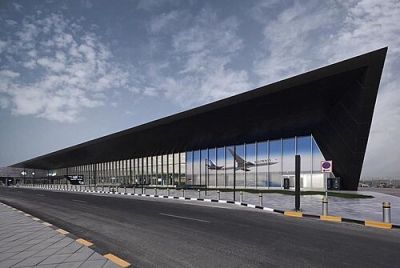
Hamad International Airport, consistently ranked among the world's best, handled over 90 million passengers in 2025 before the crisis. Its recovery is vital not only for Qatar but for global connectivity, as DOH serves as a major transit point between Europe, Asia, Africa, and the Americas. The airport's modern design, featuring the iconic Oryx statue, extensive art installations, and luxury retail, continues to impress travelers even during the reduced operations phase.
For those flying today, real-time updates are available on the official Hamad International Airport website (dohahamadairport.com), Qatar Airways platforms, and flight tracking apps. Ground transportation options, including the Doha Metro's Red Line connection, taxis, and ride-hailing services, are operating normally to and from the city center.
The situation remains fluid. Aviation analysts expect a gradual return toward normal capacity over the coming weeks and months, with full restoration possibly not occurring until mid-to-late 2026 depending on regional stability. Travelers are urged to monitor official communications closely and consider flexible travel plans.
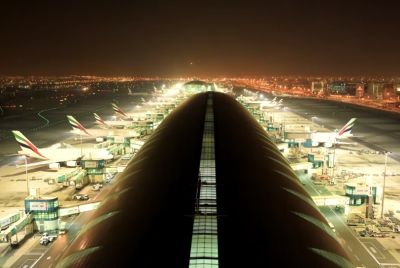
Beyond immediate operations, Hamad International Airport continues its long-term expansion. Phase B upgrades completed in 2025 added new concourses, while plans for further growth align with the ambitious Al Maktoum International Airport developments in neighboring Dubai.
The resilience shown by Hamad International Airport and Qatar Airways during this period underscores Qatar's strategic importance in global aviation. Despite challenges, the hub has maintained high safety standards and is steadily rebuilding its extensive network.
Passengers with upcoming travel through Doha should prepare for potential changes. Experts recommend checking status 24-48 hours before departure, packing essentials in carry-on bags, and enrolling in airline notifications for real-time alerts.
As of today, Hamad International Airport is open and welcoming passengers on its limited but growing flight schedule. While the full vibrancy of one of the world's busiest transit hubs has not yet returned, signs of recovery are visible, bringing hope for a stronger summer travel season ahead.
The coming days will be critical as more routes potentially resume following the recent ceasefire developments. Qatar authorities and the airline emphasize that passenger and crew safety remains the absolute priority during this recovery phase.
© Copyright 2026 IBTimes AU. All rights reserved.
- Recommended For You