DFW TSA Wait Times Drop to 5-15 Minutes as Lines Stabilize at Dallas Airport Amid Shutdown
DALLAS — Security checkpoints at Dallas/Fort Worth International Airport have shown marked improvement in early April 2026, with most TSA wait times now ranging from 5 to 15 minutes as the partial government shutdown continues but its effects on one of the world's busiest airports ease.
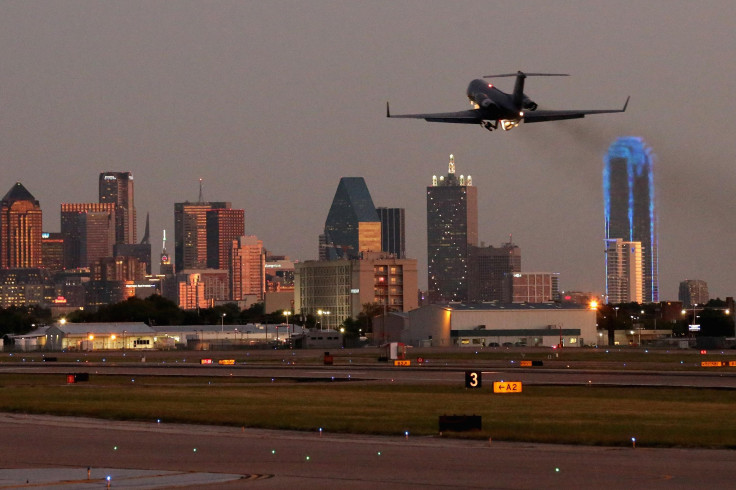
DFW, a massive hub serving as the primary base for American Airlines, handled more than 86 million passengers in 2025 and is on track for similar or slightly higher volume in 2026. The airport's five terminals (A, B, C, D and E) feature multiple security checkpoints, allowing it to absorb staffing fluctuations better than many single-terminal facilities.
During the peak of disruptions in mid-to-late March, some travelers reported waits reaching 30 to 50 minutes during spring break rushes, with occasional spikes tied to officer callouts. However, real-time data from the official DFW Airport website and traveler reports in early April show significantly shorter lines. As of April 8-9, most open checkpoints reported waits under 15 minutes, with many in the 5-10 minute range during non-peak hours. TSA PreCheck lanes have frequently cleared in 2-5 minutes.
The Transportation Security Administration has faced nationwide challenges due to the Department of Homeland Security funding impasse that began in mid-February. TSA officers, deemed essential, worked without regular paychecks for weeks, leading to higher absences and fatigue. At DFW, local union leaders noted the strain but highlighted that the airport's scale and multiple checkpoints helped prevent the multi-hour delays seen at some other major hubs.
Unlike airports that temporarily closed checkpoints, DFW has kept the majority of its 12+ screening lanes operational. Immigration and Customs Enforcement (ICE) agents were deployed to some large airports for support tasks such as exit lane monitoring and ID verification, though DFW reports indicate less reliance on such auxiliary help compared to harder-hit locations. Back pay reaching officers in late March helped reduce callouts and stabilize staffing.
Airport officials and local media have described operations at DFW as relatively resilient. On March 27, all open checkpoints showed waits under 10 minutes during midday hours, a stark contrast to chaotic scenes reported in Houston, Atlanta and other cities. Travelers have praised the efficiency on social media, with many noting smoother experiences than expected during the shutdown period.
DFW offers TSA PreCheck in Terminals A, C, D and E, with CLEAR biometric lanes available particularly in Terminal E. The airport has also implemented TSA PreCheck Touchless ID technology using facial comparison for faster identity verification. Advanced imaging systems are in use, and officials encourage efficient packing — placing liquids in a quart bag and electronics in easily accessible bins — to speed screening.
Travelers can check live wait times directly on the DFW Airport website, which provides checkpoint-specific estimates and color-coded maps. The MyTSA app, airline apps like American Airlines, and flight information displays inside the terminals offer additional real-time updates. The airport recommends arriving two hours before domestic flights and three hours for international departures, though current conditions allow many passengers to follow standard timing.
The partial shutdown has highlighted vulnerabilities in the federal aviation security system, but DFW's performance stands out positively. With its vast layout and high daily passenger volume, the airport has managed to keep lines moving even as spring travel overlapped with the funding crisis. Local union representatives expressed concern about officer morale and long-term retention but credited dedicated staff for maintaining safety standards.
Beyond security, DFW continues major infrastructure investments. Terminal D upgrades aim to improve international processing and security flow, while overall terminal enhancements focus on passenger experience with expanded dining, shopping and art installations. The airport remains a critical connector for domestic routes across the U.S. and growing international service, particularly to Latin America, Europe and Asia.
Passenger feedback in April has been increasingly positive. Many who traveled during the tougher March period noted that PreCheck and CLEAR provided significant time savings, while standard lanes improved as staffing stabilized. Practical tips shared online include wearing slip-on shoes, checking wait times before leaving home, and using off-peak flight times when possible.
As the shutdown persists into its second month without a clear resolution, DFW officials continue monitoring staffing daily. While waits remain subject to fluctuation during morning (5-9 a.m.) and evening peaks, current trends suggest more predictable experiences for travelers in the weeks ahead. Summer travel planning is already underway, with the airport urging early booking of PreCheck or CLEAR enrollment for frequent flyers.
The broader national picture shows improvement at many airports after initial chaos, thanks to interim funding measures and auxiliary support. At DFW, the combination of scale, technology and proactive communication has helped maintain its reputation as an efficient major hub even amid uncertainty.
For passengers flying through Dallas/Fort Worth, experts recommend using the airport's security page and apps for the latest information. With improving metrics and ongoing enhancements, DFW positions itself well to handle the busy summer season ahead while demonstrating resilience during challenging times for TSA operations nationwide.
DFW Airport continues to serve as a vital economic engine for North Texas, facilitating millions of trips and supporting extensive airline networks. As conditions evolve, travelers are advised to stay informed through official channels and prepare accordingly for a smoother journey through one of America's busiest gateways.
© Copyright 2026 IBTimes AU. All rights reserved.
- Recommended For You