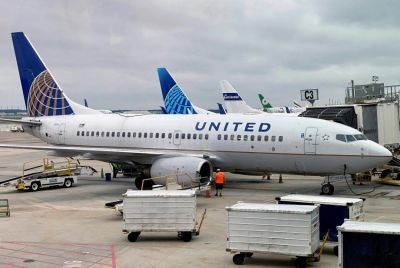
JFK TSA Wait Times Long and Unpredictable Amid Ongoing Shutdown Staffing Shortages
NEW YORK — Travelers at John F. Kennedy International Airport faced significantly extended security lines on Sunday, March 29, 2026, as partial government shutdown-related TSA staffing shortages continued to disrupt operations at one of the nation's busiest gateways.

Officials warned passengers to allow substantially more time than usual, with some terminals reporting waits exceeding 60 minutes while others remained relatively manageable but still subject to rapid changes.
JFK Airport's official website noted that security wait times "may be significantly longer than normal" due to the federal funding lapse. Real-time reporting has been temporarily suspended or limited at several checkpoints because of volatility tied to TSA officer call-outs. Airport authorities advised passengers to arrive at least three to four hours before domestic flights and even earlier for international departures to avoid missing flights.
Current Conditions Across Terminals
As of late Sunday morning and early afternoon reports:
- Terminal 5 (primarily JetBlue and international carriers): General TSA lines exceeded 60 minutes at times, with some travelers reporting waits of 90 minutes or more during peak periods. TSA PreCheck offered faster passage, often under 10 minutes when lanes remained open.
- Terminal 4 (major international hub): General security around 9–35 minutes, with PreCheck under 5–10 minutes.
- Terminal 1, 7, and 8: Shorter general waits of 1–22 minutes in calmer periods, though staffing fluctuations caused lines to build quickly.
Third-party trackers and traveler reports indicated average waits across JFK hovering between 25 and 62 minutes depending on the time of day and terminal, with early morning and evening rushes proving most challenging. Some PreCheck lanes still provided relief, but even expedited options occasionally faced backups.
Causes of the Delays
The partial government shutdown has driven TSA call-out rates dramatically higher than normal, sometimes exceeding 30–40% at major hubs like JFK. Officers deemed essential continue working without regular pay, leading many to miss shifts or seek supplemental income. This has reduced checkpoint capacity even as spring travel demand remains robust.
JFK, which handles tens of millions of passengers annually with heavy international traffic, is particularly sensitive to staffing shortages. Long lines have stretched outside some terminals, prompting deployment of additional support staff, including ICE officers in limited assisting roles at certain checkpoints. Airport officials have added rope lines and signage to manage crowds, but the situation remains fluid.
Traveler Experiences and Advice
Social media and news reports over recent days showed frustrated passengers sharing images of crowded terminals and warning others to build in extra buffer time. Many described arriving four hours early only to clear security with time to spare on lighter days, while others missed flights due to unexpected surges.
Tips for flying through JFK during this period include:
- Check the official JFK Airport website (jfkairport.com) or your airline app immediately before leaving for the airport for the latest alerts.
- Enroll in TSA PreCheck or CLEAR if possible to reduce screening time.
- Follow the 3-1-1 liquids rule and pack carry-ons efficiently to avoid secondary screening.
- Monitor flight status closely, as security delays can cascade into gate issues.
- Consider off-peak flights when feasible to avoid morning and evening rushes.
- Stay hydrated and prepare for potential waits by bringing snacks and entertainment.
The MyTSA app, which normally provides crowd-sourced wait times, has limited functionality during the shutdown, forcing greater reliance on airport websites and real-time traveler posts.
Broader Impact on New York Area Travel
JFK is not alone — neighboring LaGuardia and Newark Liberty International airports have also reported elevated waits, though conditions vary by day and terminal. The shutdown's effects have rippled through the entire New York metro travel ecosystem, affecting connections and ground transportation.
Airlines have adjusted some schedules and issued flexible rebooking policies, but passengers missing flights due to security delays generally must rebook at their own expense unless covered by specific airline protections or travel insurance.
Outlook and Potential Relief
Negotiations to resolve the funding impasse continue, with some lawmakers expressing urgency over the impact on travelers and federal workers. Even if resolved soon, experts warn that restoring full TSA staffing could take days or weeks due to training and scheduling requirements.
In the meantime, JFK officials continue monitoring conditions closely and may update advisories as needed. Travelers are encouraged to remain flexible and proactive in their planning.
The situation at JFK underscores the critical role of consistent federal staffing in maintaining efficient air travel at major hubs. While some checkpoints have seen temporary improvements during off-peak hours, the overall environment remains challenging and unpredictable for those passing through Queens this weekend and into the coming week.
Passengers with questions can contact their airline directly or check TSA's limited resources. For non-security emergencies at the airport, reach JFK customer service or local authorities.
© Copyright 2026 IBTimes AU. All rights reserved.
- MOST POPULAR IN Travel Tips