John F. Kennedy International Airport Wait Times Today: Long Lines Persist Exceeding 40 minutes
NEW YORK — Travelers at John F. Kennedy International Airport faced variable but often extended TSA security wait times Monday as a federal funding lapse continued to strain Transportation Security Administration staffing, with general lines at some terminals exceeding 40 minutes during morning hours.
As of early Monday afternoon on March 30, 2026, official data from the JFK Airport website showed general security waits ranging from as little as 1 minute in quieter Terminal 1 to 43 minutes in busy Terminal 4, the airport's largest international hub. TSA PreCheck lanes moved significantly faster, typically under 15 minutes across terminals, though availability fluctuated with staffing.
Terminal 4 reported a general wait of 43 minutes and PreCheck at 7 minutes. Terminal 5 stood at 37 minutes general and 10 minutes PreCheck. Terminal 8 showed 36 minutes for standard screening and 14 minutes for PreCheck. Terminal 7 had a shorter 7-minute general line, while Terminal 1 moved quickly at 1 minute with no wait for expedited lanes.
Airport officials posted a prominent alert warning that security wait times "may be significantly longer than normal" due to the ongoing federal funding lapse causing TSA staffing shortages. Wait times can change rapidly based on passenger volume and officer availability, the notice emphasized.
The situation at JFK reflects broader challenges at major U.S. airports, where TSA has reported historically long lines in recent weeks. Deputy Administrator Ha Nguyen McNeill told Congress that wait times have exceeded four hours at some hubs, with officer call-out rates reaching 40% to 50% at affected facilities including JFK, Atlanta and Houston.
Travelers and media reports described chaotic scenes in recent days, with some passengers arriving as early as 2:30 a.m. only to encounter already-forming lines in Terminal 4, which handles roughly 74,000 passengers daily. Social media platforms and Reddit threads filled with photos and complaints of hour-plus waits, prompting advice to arrive four hours early for flights to avoid missing departures.
Third-party trackers and traveler apps showed similar patterns. Some sources indicated average waits across JFK between 25 and 60 minutes depending on the time of day and terminal, with peaks during early morning and evening rushes. Delta's airport wait time page and other monitors reported regular lanes at times reaching 55 minutes while PreCheck stayed open and moved faster.
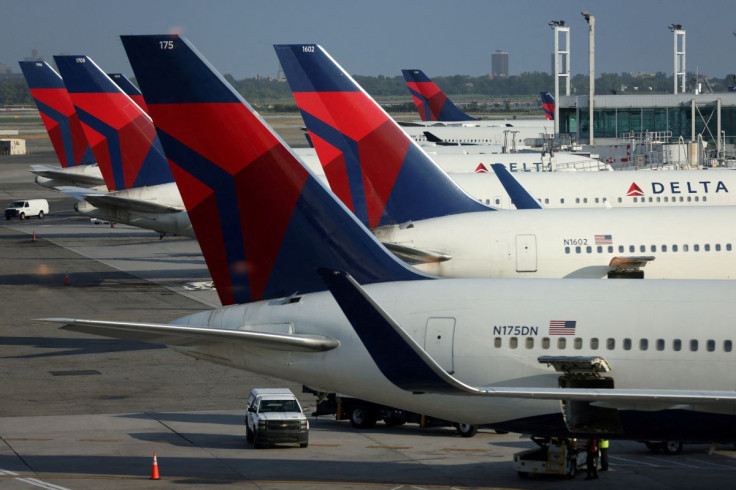
JFK, one of the busiest airports in the United States and a primary international gateway to New York City, operates multiple terminals serving major carriers including JetBlue in Terminal 5, Delta and international airlines in Terminal 4, and American Airlines in Terminal 8. The mix of domestic and long-haul international flights adds complexity to screening, particularly with varying passenger volumes and documentation requirements.
The Port Authority of New York and New Jersey, which operates JFK, has suspended or cautioned against relying solely on traditional wait time displays due to rapid fluctuations. Officials directed passengers to use the MyTSA mobile app, FlightAware, or real-time traveler reports for the most current information. Some airport websites for nearby facilities like LaGuardia have also faced inaccuracies amid the staffing strain.
TSA PreCheck and CLEAR services have provided relief for enrolled travelers, often cutting waits to under 10 minutes when lanes remain open. However, even PreCheck lines have occasionally stretched due to understaffing. Travelers without expedited screening have reported the greatest frustration, with some international passengers facing additional layers of checks.
The funding lapse has disrupted normal TSA operations nationwide, leading to unpredictable lines and higher stress for millions of spring travelers. At JFK, the impact feels particularly acute given the airport's high daily throughput and role as a hub for transatlantic and other long-distance flights.
Airport and TSA representatives have urged passengers to prepare thoroughly: remove liquids and electronics in advance, wear easily removable shoes, and check flight status before heading to the airport. Those with disabilities or needing assistance should contact their airline early for accommodations.
Local news and traveler forums highlighted stories of missed connections and frayed tempers. One passenger described waiting nearly 90 minutes in Terminal 5 during a recent peak period, while others in Terminal 4 reported 1- to 2-hour delays mid-afternoon in prior days. Early morning business travelers faced some of the longest standard lines, often 60 minutes or more around 6-9 a.m.
Broader context includes ongoing debates in Washington over TSA funding and resources. Critics have pointed to the agency's reliance on overtime and temporary staffing measures that have proven insufficient during periods of high travel demand. Supporters of increased investment argue that consistent funding would stabilize operations and improve the passenger experience.
For those departing JFK today, recommendations include:
- Arrive at least three to four hours before international flights and two to three hours for domestic, especially during peak times.
- Enroll in TSA PreCheck or CLEAR if frequent travel is planned to minimize delays.
- Monitor the official JFK website, MyTSA app, or airline alerts for live updates.
- Consider off-peak flight times when possible to avoid the busiest security windows.
Flight operations at JFK itself showed relatively minor airborne delays of 15 minutes or less as of early Monday, according to FAA data. Gate holds and taxi delays also remained limited, suggesting that once through security, departures were proceeding without major additional disruptions.
The airport continues to serve as a vital economic engine for the New York region, handling millions of passengers monthly despite the current headaches at checkpoints. Officials have not provided a timeline for when staffing levels might normalize, leaving many travelers to navigate the uncertainty on their own.
In neighboring airports, similar issues persist. LaGuardia has seen waits sometimes exceeding 60 minutes, while Newark Liberty International reported 15- to 30-minute lines in recent checks. The tri-state area's air travel network has collectively felt the strain.
Travel experts advise building extra buffer time into itineraries and staying hydrated and patient while in line. Families with young children or elderly members may want to request expedited assistance where available.
As the day progresses, wait times at JFK are expected to fluctuate with incoming flight schedules and passenger surges. Evening peaks around 4-7 p.m. often see renewed buildup in general lanes.
The TSA continues to emphasize safety as the top priority, even as it manages resource constraints. Officers on duty have faced increased workloads, contributing to fatigue and higher absenteeism in some reports.
Passengers can report issues or provide feedback through official TSA channels or the MyTSA app, which allows real-time crowd-sourced updates alongside official data.
For international arrivals, Customs and Border Protection processing adds another layer after security, though those lines have not been the primary complaint in recent days compared to departure screening.
JFK's terminals offer amenities like lounges, dining and shopping that can help pass the time for those arriving early, but the core frustration remains the unpredictability at checkpoints.
As Monday's travel day unfolds, authorities monitor the situation closely. Any resolution to the funding challenges could ease pressures quickly, but until then, patience and preparation remain essential for anyone passing through New York's busiest airport.
The story is developing, with wait times subject to rapid change. Travelers should check multiple sources before heading to JFK.
© Copyright 2026 IBTimes AU. All rights reserved.
- MOST POPULAR IN Travel Tips