San Francisco International Airport TSA Wait Time Hovering Between 12 and 23 Minutes
SAN FRANCISCO — Security lines at San Francisco International Airport remained manageable Tuesday with average TSA wait times hovering between 12 and 23 minutes, providing welcome relief for spring break travelers amid a partial government shutdown that has caused hours-long delays at many U.S. airports relying directly on federal TSA staff.

As of mid-morning March 31, 2026, real-time trackers showed standard security waits at SFO averaging around 12 to 23 minutes depending on the checkpoint and hour, with PreCheck lanes often clearing in under 10 minutes and some periods dipping to as little as 5 to 7 minutes. Peak morning hours between 7 and 8 a.m. saw the highest estimates near 23 minutes, while overnight and early off-peak slots registered as low as 5 to 7 minutes.
SFO's relatively smooth operations stand in sharp contrast to major hubs like Atlanta, Houston and others, where waits have stretched to two, three or even four hours due to TSA staffing shortages triggered by the ongoing federal funding impasse. Airport officials and travelers praised the difference, crediting SFO's participation in the TSA's Screening Partnership Program, which outsources security screening to certified private contractors rather than direct federal employees.
"SFO is the largest airport in the country using the Screening Partnership Program, and it shows," said airport spokesman Doug Yakel in recent statements. Over the past 30 days, contracted screeners have processed more than two million passengers while keeping average peak wait times under 10 minutes on many days — a stark outlier compared with federally staffed facilities.
The airport's four main terminals — International Terminal and domestic Terminals 1 through 4 — feature multiple checkpoints, including dedicated PreCheck and Clear lanes that further speed passage for eligible travelers. Boarding Area F3 and other checkpoints remained open and efficient Tuesday morning, according to live updates.
Travelers on Reddit's r/AskSF and other forums reported positive experiences for March 31 flights, with some noting PreCheck lines moving so quickly that only one or two people stood ahead. Standard lanes occasionally reached 20 to 30 minutes during busier windows but rarely approached the chaos seen elsewhere. One international traveler preparing for a March 31 departure sought advice on arrival timing and was reassured that SFO remained far better than national averages.
The partial government shutdown, now in its later stages, has forced many TSA officers to work without timely pay, leading to high call-out rates and reduced checkpoint capacity nationwide. In response, some airports have closed lanes or urged passengers to arrive three to four hours early. SFO has largely avoided such measures thanks to its private contractor model, which provides more staffing flexibility and continuity.
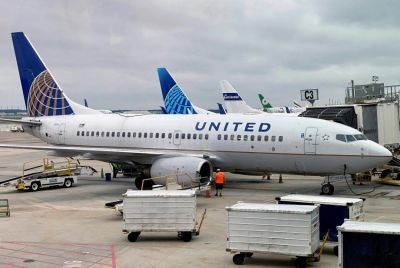
San Francisco International handled tens of millions of passengers annually before the latest disruptions, serving as a key gateway for United Airlines and a major hub for international travel to Asia and beyond. Even during spring break surges overlapping with Passover and upcoming Easter travel, the airport has maintained "normal wait times" messaging on its website rather than issuing dire warnings.
Experts and frequent flyers attribute SFO's resilience to proactive management, investment in technology such as advanced imaging machines, and the private screening workforce trained to TSA standards but employed through a contractor. This setup has allowed consistent performance even as federal TSA facilities grapple with absenteeism and morale issues.
For passengers without TSA PreCheck or Clear membership, standard lanes still require the usual removal of liquids, electronics and outerwear under the 3-1-1 rule. Families, travelers with disabilities or those needing additional screening may experience slightly longer processing, but overall flow has remained steady.
Airport officials continue to recommend arriving at least two hours before domestic flights and three hours before international departures as a safe buffer, especially during peak travel periods. Real-time wait time information is available through third-party apps, the MyTSA app (though federal updates have been inconsistent during the shutdown), and SFO's own resources.
Delta and United, major carriers at SFO, have updated passengers via apps and gate announcements to check conditions before heading to the airport. Some travelers have shared photos and videos on social media showing relatively short queues compared with viral images of hour-plus lines at other hubs.
The situation highlights broader vulnerabilities in the U.S. aviation security system during fiscal standoffs. While most airports depend on federal TSA employees, the roughly 20 facilities using the Screening Partnership Program — including SFO, Kansas City and Sarasota-Bradenton — have demonstrated greater stability.
Environmental factors such as Bay Area fog or wind rarely affect indoor security operations, but passenger volume remains the primary variable. Midday and afternoon slots on Tuesday appeared lighter than early morning rushes, with hourly forecasts showing waits generally between 10 and 20 minutes.
Health and safety protocols, including random additional screening, continue as normal. Passengers are advised to follow TSA guidelines on prohibited items to avoid delays or secondary checks that could add time.
For international travelers, departure screening at SFO has also benefited from efficient private operations, though connections involving customs on arrival remain separate. The airport's layout, with its people-mover trains and clear signage, helps minimize post-security navigation stress even when lines form.
Looking ahead through the spring break and holiday period, SFO is expected to maintain its advantage unless contractor staffing faces unforeseen pressures. Airport leadership has not announced any lane closures or major alerts as of Tuesday.
Travelers can take several steps to minimize wait times: enroll in TSA PreCheck or Clear if eligible, pack carry-ons efficiently, monitor real-time trackers before leaving home, and consider off-peak flight times when possible. Early morning and late afternoon remain busier due to flight schedules.
The contrast with shutdown-affected airports has drawn national attention, with reports noting SFO as a model for reliable screening. Some analysts suggest expanding the partnership program could ease nationwide strains, though such decisions rest with federal policymakers.
For Bay Area residents and connecting passengers, SFO's steady performance preserves the region's reputation as an efficient travel hub despite its high volume. Local leaders and business groups have emphasized the economic importance of smooth airport operations for tourism, tech travel and international commerce.
As midday Tuesday approached, conditions remained favorable with no major surges reported. However, officials and community forums stress that airport security can fluctuate quickly with arriving flight waves or staffing adjustments.
In a travel landscape marked by unpredictability this spring, SFO stands out as one of the brighter spots — a reminder that alternative screening models can deliver faster, more reliable service even during challenging times. Passengers flying out of San Francisco International in coming days should still build in reasonable buffers but can take comfort that lines here are moving far quicker than at many peer airports.
© Copyright 2026 IBTimes AU. All rights reserved.
- MOST POPULAR IN Travel Tips