Trump Holds Cabinet Meeting at Camp David as Widening Iran War Shows No Sign of Ending Any Time Soon
President Trump convenes his Cabinet at Camp David as tensions with Iran escalate, impacting global oil markets and regional stability.
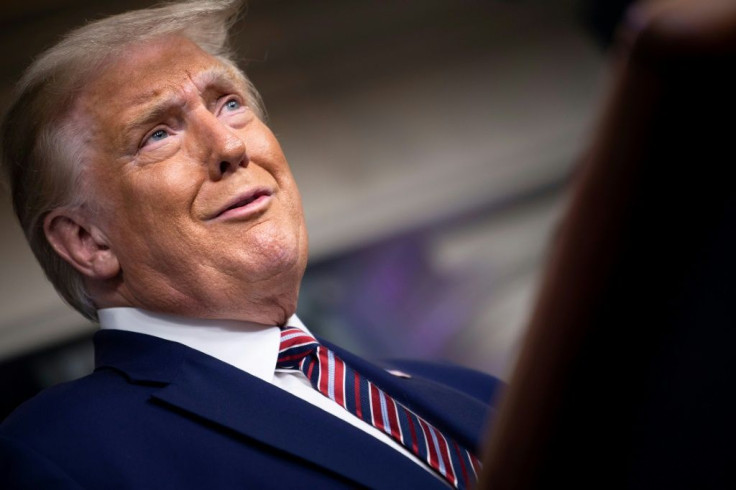
President Donald Trump convened his Cabinet on Friday at Camp David, the presidential retreat in Maryland's Catoctin Mountains, as the war he launched against Iran continues to expand with no clear resolution in sight, according to reporting from Reuters and NBC News.
The meeting marked the 13th Cabinet gathering of Trump's second term and his third trip to Camp David since returning to office, a notable departure for a president who has largely avoided the mountaintop retreat in favor of his own golf resorts when not at the White House, according to Reuters. White House press secretary Karoline Leavitt had told reporters ahead of the gathering that hosting the meeting at Camp David would be "a lot of fun and something different for the cabinet to experience together." The agenda for the meeting was expected to focus heavily on foreign policy, according to Reuters.
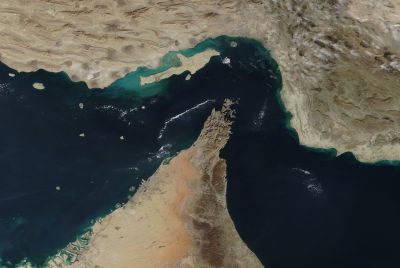
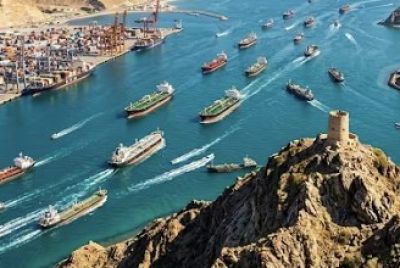
The gathering came at a difficult moment for the administration's stated goals on Iran. Trump had previously predicted the conflict would conclude within "weeks," but the war has instead continued expanding without an endgame in sight, according to NBC News. Little progress has been made toward stopping Iran from threatening commercial shipping and slowing traffic through the Strait of Hormuz, the critical Persian Gulf waterway through which a significant share of the world's oil normally flows.
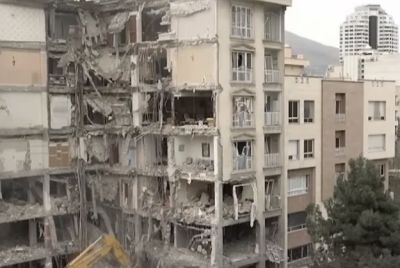
The conflict has continued widening in the days leading up to Friday's meeting. On Tuesday, the U.S. military intercepted a new round of Iranian ballistic missile attacks in Jordan, ending what had been a brief respite in the fighting, according to NBC News. On Wednesday, Saudi Arabia, which had previously remained reluctant to become directly involved, entered the conflict by conducting airstrikes against Iran-backed militias in Iraq that Riyadh accused of attacking its oil facilities. Saudi Arabia's defense minister also met privately with Trump around the same time. The following day, the Saudi Ministry of Defense announced it would lead a new multinational coalition aimed at protecting shipping routes in the Red Sea and other regional waterways amid repeated attacks by Iran-backed Houthi militants in Yemen, adding further pressure on maritime trade even as Iran continues to threaten the Strait of Hormuz separately.
Friday's Cabinet meeting followed the last such gathering on May 27, during which Trump had asserted that the Strait of Hormuz would soon be "open to everybody" and that gasoline prices would fall sharply, predictions that have not materialized in the months since, according to NBC News. U.S. economic growth has slowed since that earlier meeting, and inflation remains stuck above the Federal Reserve's 2% target rate, with consumer prices continuing to run elevated. Trump's approval rating has fallen to a record low of 32%, according to the latest Quinnipiac poll cited by NBC News, adding domestic political pressure to the administration's efforts to resolve the conflict before its economic ripple effects cause further damage.
The Cabinet meeting came just days after Trump held separate meetings with two other heads of state whose countries are themselves engaged in ongoing conflicts but who now share a common adversary in Iran. Trump met with Ukrainian President Volodymyr Zelenskyy and Israeli Prime Minister Benjamin Netanyahu earlier in the week, according to NBC News, discussions that occurred against the backdrop of the broader regional instability tied to the widening Iran conflict.
Trump has continued to publicly project confidence about the trajectory of the war even as the underlying military and diplomatic situation has grown more complicated. During an earlier Cabinet meeting in March, held shortly after the U.S. and Israel first began attacking Iran on Feb. 28, Trump suggested online and during the meeting itself that Iran had been "obliterated," that its leaders were "begging" for a deal, and that a resolution was near, according to the Los Angeles Times. Those characterizations have not translated into a concluded conflict in the months since, with fighting instead continuing to spread to additional countries and threaten broader regional shipping and energy infrastructure.
Renewed strikes between the United States and Iran resumed earlier in the week following a brief pause, adding further urgency to Friday's Cabinet discussions. The renewed hostilities have continued to affect global oil markets, even as prices have shown volatility tied both to the conflict itself and to broader questions about the durability of shipping disruptions through the Strait of Hormuz and the Red Sea.
With the war continuing to widen rather than resolve, and with domestic economic pressures mounting ahead of the November midterm elections, Friday's Camp David gathering placed Trump and his top advisers under significant pressure to identify a viable path toward ending the conflict, particularly given the growing involvement of additional regional powers, including Saudi Arabia, and the continued absence of progress toward securing safe passage through the region's most critical shipping corridors.
© Copyright 2026 IBTimes AU. All rights reserved.
- Recommended For You