

Trump Issues Strong Warning to Iran as US Launches Strikes Following Attacks on Ships in Strait of Hormuz
US military strikes Iranian targets in response to attacks on commercial vessels, escalating tensions in the vital Strait of Hormuz.
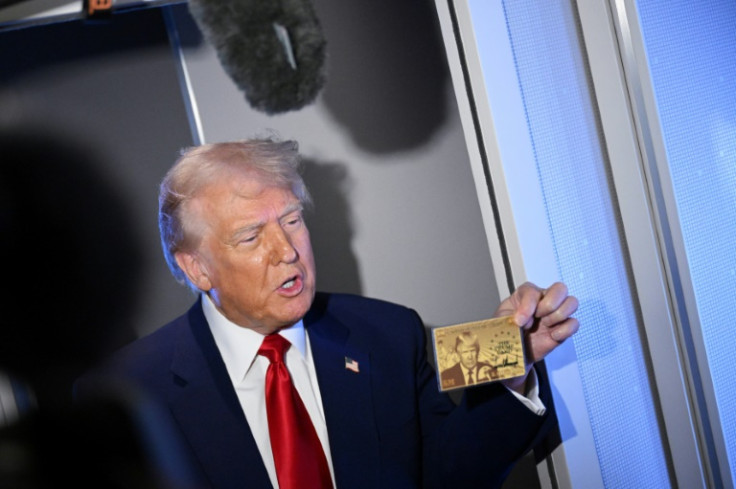
WASHINGTON — President Donald Trump delivered a stern warning to Iran on Tuesday as U.S. forces conducted fresh strikes against Iranian targets in response to attacks on commercial vessels in the critical Strait of Hormuz, escalating tensions in a region vital to global energy supplies.
The U.S. military's Central Command said American forces hit more than 80 targets, including air defense systems, command networks, coastal radar sites and Islamic Revolutionary Guard Corps small boats involved in recent incidents. The action followed reports of three tankers being struck by projectiles in the strategic waterway.
The strikes came after the U.S. Treasury revoked a sanctions waiver that had allowed Iran to sell oil as part of a fragile ceasefire arrangement. Iranian state media reported explosions near key locations including Bandar Abbas, Qeshm Island and Sirik, with some civilian injuries from shrapnel.
Trump's administration has framed the response as necessary to protect international navigation and deter further aggression. The Strait of Hormuz handles a significant portion of global oil shipments, and disruptions there have raised concerns about energy prices and economic stability.
Iranian officials condemned the U.S. actions and vowed to defend national interests. Parliament Speaker Mohammad Bagher Qalibaf stated that "the era of bullying and extortion is over," while other leaders signaled readiness to respond.
The latest violence threatens a tenuous ceasefire negotiated in recent weeks. Attacks on commercial shipping, including vessels linked to Qatar and Saudi Arabia, prompted swift U.S. retaliation aimed at degrading Iran's capacity to threaten maritime traffic.
U.S. officials described the strikes as proportionate and targeted, focusing on military capabilities rather than civilian infrastructure. Central Command emphasized that forces remain prepared to hold Iran accountable for violations of the ceasefire agreement.
The incident marks another flare-up in long-standing U.S.-Iran tensions, exacerbated by regional conflicts and disagreements over nuclear issues, sanctions and proxy activities. Freedom of navigation in the Gulf has long been a flashpoint, with previous incidents involving tanker seizures and attacks.
Energy markets reacted with caution to the developments, as any prolonged closure or disruption in the Strait of Hormuz could spike global oil prices. Analysts noted that while immediate impacts were limited, sustained instability could affect supply chains and consumer costs worldwide.
Trump has repeatedly stressed the need to protect vital sea lanes and prevent Iran from leveraging its geographic position for strategic advantage. His administration has coordinated with allies in the Gulf and beyond to maintain pressure on Tehran while pursuing diplomatic off-ramps.
Iranian leaders have accused the U.S. of aggression and violation of the ceasefire, calling for international condemnation. Tehran maintains that its actions are defensive responses to perceived provocations, though it has not claimed direct responsibility for all reported shipping incidents.
The situation has drawn concern from major powers and international organizations. The United Nations and maritime authorities have urged restraint to avoid broader conflict that could endanger civilian crews and global trade.
Domestically, the administration faces questions about the scope and duration of military involvement. Lawmakers from both parties have called for briefings on the strikes and the broader strategy to deter Iran without escalating into full-scale war.
Defense analysts suggest the targeted strikes aim to restore deterrence and reopen the strait for safe passage. Previous rounds of U.S. action have temporarily degraded Iranian capabilities, though rebuilding efforts and asymmetric responses remain risks.
The episode underscores the fragility of recent diplomatic efforts. Ceasefire agreements have been tested multiple times, with shipping security emerging as a core sticking point alongside nuclear concerns and regional proxy dynamics.
Oil-producing nations in the Gulf have expressed alarm over threats to maritime security, with some increasing naval patrols and coordinating with U.S. forces. The attacks on tankers linked to regional states have heightened calls for collective action to safeguard trade routes.
As developments unfold, markets and diplomats watch closely for signs of de-escalation or further retaliation. Trump has indicated willingness to pursue deals but has warned of severe consequences for continued violations.
The Strait of Hormuz remains one of the world's most important chokepoints, with roughly one-fifth of global oil passing through its waters. Stability there is essential for energy security, making the current tensions a matter of international economic significance.
U.S. officials continue to monitor the situation and coordinate with partners. The administration has emphasized that its actions are defensive in nature, aimed at preserving freedom of navigation rather than seeking regime change or broader conflict.
Iranian state television showed images of damage and rescue operations following the strikes, while officials rallied public support and vowed resilience. The exchange highlights the high stakes involved in securing one of the planet's most critical maritime arteries.
As the dust settles from the latest strikes, attention turns to whether diplomatic channels can prevent further escalation. Both sides have signaled openness to talks under certain conditions, but deep mistrust and competing interests complicate prospects for lasting resolution.
© Copyright 2026 IBTimes AU. All rights reserved.