Trump Slams Pope Leo XIV as 'Not a Fan,' Escalating Feud Over Iran War Stance
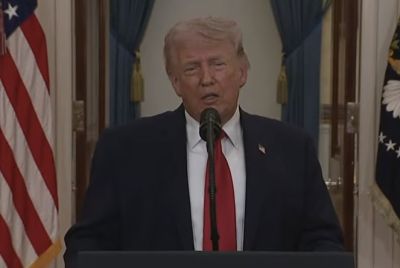
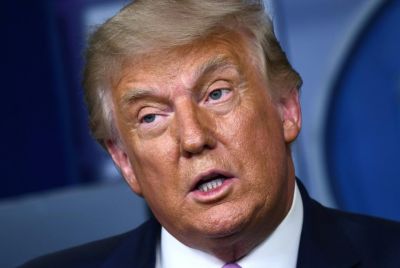
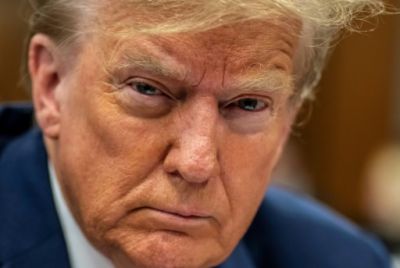
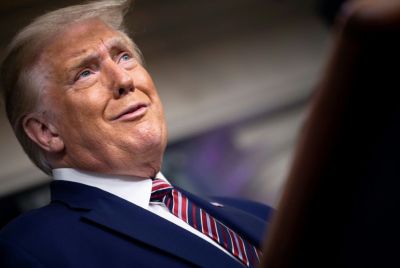
WASHINGTON — President Donald Trump sharply criticized Pope Leo XIV on Sunday, calling the first American-born pontiff "a very liberal person" and declaring "I'm not a fan of Pope Leo" after the Chicago-born leader condemned what he described as a "delusion of omnipotence" fueling the U.S.-Israeli military campaign against Iran.
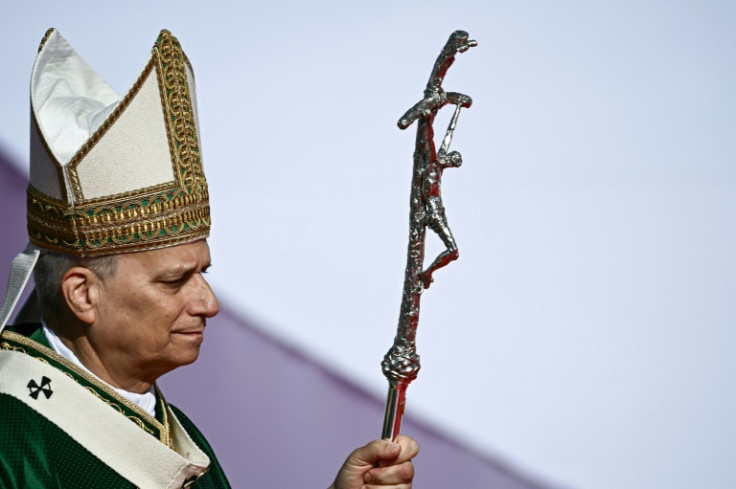
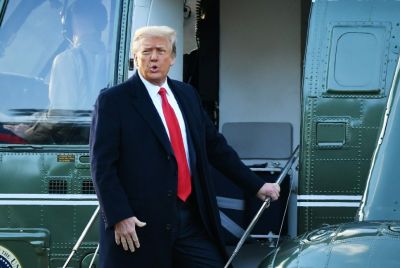
Trump's extraordinary broadside, delivered via Truth Social and in remarks to reporters at Joint Base Andrews, marked a rare public clash between a sitting U.S. president and the head of the Roman Catholic Church. It extended a growing rift that began with Pope Leo's repeated calls for peace and dialogue as the conflict in Iran intensified earlier this year.Ksdk
In a Truth Social post, Trump accused the pope of being "WEAK on Crime" and "terrible for Foreign Policy," urging him to "stop catering to the Radical Left." Speaking to reporters later, Trump doubled down. "He's a very liberal person," he said. "I don't think he's doing a very good job. I'm not a fan of Pope Leo."
The president also suggested the pontiff's stance effectively tolerated Iran developing nuclear weapons. "We don't like a pope that says it's OK to have a nuclear weapon," Trump added, tying the criticism directly to the ongoing Iran conflict and failed peace talks in Pakistan that collapsed over the weekend.
Pope Leo XIV, born Robert Francis Prevost in Chicago and elected in May 2025, has emerged as one of the most vocal critics of the U.S.-led actions in Iran. In his strongest remarks yet on Saturday during a prayer vigil at St. Peter's Basilica, the pope denounced the "delusion of omnipotence" driving the war and demanded political leaders "stop" and negotiate peace. "Enough of the idolatry of self and money! Enough of the display of power! Enough of war!" he declared.
On Friday, Leo posted on X: "God does not bless any conflict. Anyone who is a disciple of Christ, the Prince of Peace, is never on the side of those who once wielded the sword and today drop bombs." He has consistently urged dialogue over military escalation, warning that the spiral of violence risks becoming "an unbridgeable chasm."
The pope's comments come amid a fragile ceasefire in the Iran conflict that frayed after U.S. and Iranian officials failed to reach agreement in Islamabad. Trump announced a naval blockade of the Strait of Hormuz on Sunday, prompting sharp market reactions and further global concern over energy supplies and escalation risks.
While popes and presidents have often differed on policy — from Vietnam to Iraq — direct public rebukes of this intensity are uncommon. Trump's response stands out for its personal tone, especially given Leo's American roots. Some observers noted the irony of the first U.S.-born pope facing criticism from a U.S. president over foreign policy.
Trump has previously expressed initial positivity toward Leo, calling his election "a great honor for our country" and looking forward to a meeting. Relations soured as Leo criticized Trump administration policies, including immigration measures and the use of religious rhetoric to justify military actions. Reports earlier suggested tensions reached the point where the Vatican declined invitations for Leo to visit the U.S. in 2026, opting instead for trips to Africa and other regions.
The Vatican has not issued an immediate response to Trump's latest comments as of early Monday. Church officials have emphasized the pope's role as a moral voice for peace rather than a political actor.
Catholic leaders in the U.S. offered mixed reactions. Some conservative voices defended Trump's strong stance on national security and Iran's nuclear ambitions, arguing the pope's comments overlooked the threat posed by Tehran. Others expressed discomfort with the public attack on the spiritual leader of more than 1 billion Catholics worldwide, including roughly 70 million in the United States.
The feud has drawn international attention. European leaders and Middle East analysts watched closely, noting how domestic U.S. politics could influence diplomatic efforts to stabilize the region. China and Russia, which have ties to Iran, amplified the pope's calls for restraint in state media.
Trump's criticism extended beyond foreign policy. He portrayed Leo as soft on crime and overly aligned with progressive causes, echoing broader cultural battles. "I don't want a Pope who criticizes the President of the United States because I am doing exactly what I was elected in a landslide to do," Trump told reporters.
The timing amplified the drama. Trump's Hormuz blockade announcement, following the failed Islamabad talks, coincided with the pope's weekend peace appeals. Oil prices surged in response to the blockade news, adding economic pressure to the geopolitical tensions.
Pope Leo, who chose the name evoking strength and continuity with earlier popes, has focused much of his early pontificate on peace, migration and care for the poor. His American background — he previously served as a bishop in the U.S. — had raised hopes among some Catholics for closer Vatican-U.S. ties. Instead, it has highlighted deep divisions within American Catholicism over issues like war, immigration and the role of faith in politics.
Historians noted that past presidents, including John F. Kennedy, navigated faith and policy carefully. Trump's approach reflects his unfiltered style, often using social media to respond to critics in real time.
As the Iran conflict simmers and the Hormuz situation unfolds, the public exchange between the president and the pope adds another layer of complexity to international diplomacy. Religious leaders worldwide have echoed Leo's calls for de-escalation, while Trump administration officials stress the need for strength against what they call Iranian aggression and nuclear threats.
For now, the rift shows no signs of quick resolution. Trump's "not a fan" declaration leaves little room for immediate reconciliation, and the pope's moral appeals show no indication of softening.
The episode underscores the enduring influence of both figures: a president wielding military and economic power, and a pope commanding spiritual authority on the global stage. Their clash over the Iran war highlights how personal, political and religious dimensions can collide in moments of international crisis.
As markets react to energy disruptions and diplomats scramble for solutions in the Middle East, the verbal exchange between Washington and the Vatican serves as a vivid reminder that even in an era of advanced weaponry and instant communication, words from the highest levels still carry weight — and can escalate tensions in unexpected ways.
© Copyright 2026 IBTimes AU. All rights reserved.
- Recommended For You