

Elon Musk Offers to Pay TSA Salaries Amid Partial Government Shutdown: Musk Steps In as Airport Lines Grow
Billionaire Elon Musk, the world's richest person and CEO of Tesla and SpaceX, offered Saturday to personally cover the salaries of Transportation Security Administration (TSA) personnel caught in the crossfire of a partial U.S. government shutdown over Department of Homeland Security funding.
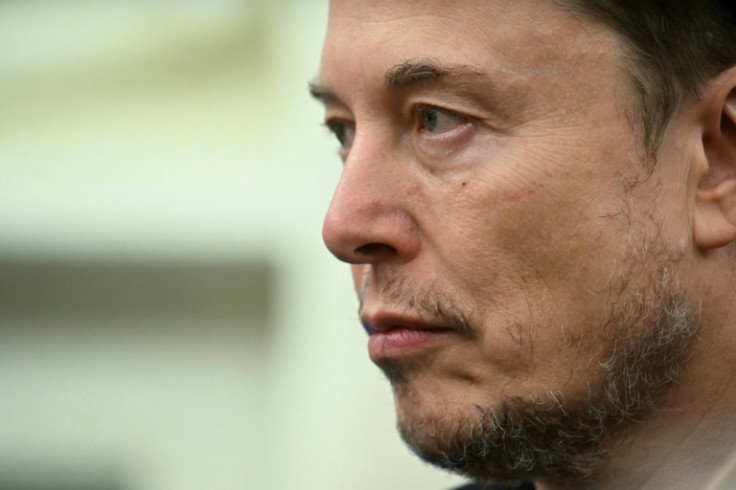
In a post on his social media platform X, Musk wrote: "I would like to offer to pay the salaries of TSA personnel during this funding impasse that is negatively affecting the lives of so many Americans at airports throughout the country." The statement, made early Saturday morning U.S. time, quickly garnered hundreds of thousands of likes, reposts and replies, amplifying attention on the crisis.
The offer comes as the partial shutdown—stemming from congressional deadlock over DHS appropriations—enters its second month for some agencies. TSA officers, deemed essential workers, have continued screening passengers without paychecks since mid-February in certain cases, marking the second unpaid period in six months for many. Reports indicate more than 300 TSA staff have already called out sick or resigned amid financial strain, contributing to longer security lines, flight delays and widespread traveler frustration at major hubs like Atlanta, Chicago O'Hare and Los Angeles International.
Average TSA officer salaries hover around $51,000 annually, starting at about $40,270, with transportation security screeners averaging just over $61,000, according to Bureau of Labor Statistics data. With roughly 60,000 TSA employees nationwide, covering even a portion of payroll would represent a substantial outlay—potentially tens of millions monthly—though Musk's net worth exceeds $400 billion, making it feasible if structured as a personal or corporate contribution.
The proposal arrives amid heightened political tension. President Donald Trump threatened Saturday to deploy Immigration and Customs Enforcement (ICE) agents to airports if the impasse persists, aiming to bolster security amid staffing shortfalls. Senate Majority Leader John Thune (R-S.D.) accused Senate Minority Leader Chuck Schumer (D-N.Y.) of staging a "fake TSA funding stunt" by pushing procedural motions that he said did nothing to actually resolve the crisis. Schumer has countered that Republicans are holding TSA pay hostage to extract concessions on immigration enforcement funding without reforms.
Musk's intervention has sparked debate over feasibility and implications. Legal experts note that while private individuals can donate to government programs or provide aid, directly paying federal employee salaries could face hurdles under federal ethics rules, anti-deficiency laws and conflict-of-interest concerns—especially given Musk's companies hold significant government contracts in defense, space and transportation. No formal mechanism has been outlined, and neither the TSA, DHS nor Musk's representatives have confirmed acceptance or next steps as of Sunday.
The shutdown stems from broader fiscal battles in Congress, where Republicans seek increased border security allocations while Democrats push for balanced funding without what they call unrelated policy riders. TSA funding falls under DHS, one of the agencies hardest hit by the lapse. Travelers report escalating chaos: security wait times exceeding two hours at some airports, canceled flights and growing calls for resolution.
Musk's post drew mixed reactions. Supporters praised it as pragmatic generosity from a private citizen stepping up where government failed, with some urging him to "do your thing" and break the deadlock. Critics questioned motives, pointing to Musk's influence in Washington through his role in advisory capacities and companies' reliance on federal approvals. Others highlighted irony, recalling past reports of Musk-linked entities facing scrutiny over government funding cuts or restrictions.
The offer has spotlighted the human cost of shutdowns. TSA workers, many living paycheck-to-paycheck, face mortgage payments, childcare and basic expenses without income despite mandatory shifts. Unions representing federal employees have called for immediate back pay and resolution, warning that prolonged strain could compromise aviation security.
As of March 22, no breakthrough in negotiations has emerged, though both parties face pressure from airlines, business groups and the traveling public. Musk's proposal, while symbolic for some, underscores frustration with partisan gridlock and raises questions about the role of ultra-wealthy individuals in filling public sector gaps.
Whether Musk's offer translates to action remains uncertain. If pursued, it could set a precedent for private intervention in government operations—or highlight the limits of such gestures in a complex federal system. For now, millions of Americans face disrupted travel, while TSA staff continue working without guaranteed pay, hoping for an end to the impasse.
© Copyright 2026 IBTimes AU. All rights reserved.