

(VIDEO) Pentagon Confirms Three U.S. Service Members Killed in Iran Conflict
WASHINGTON — The Pentagon announced Sunday that three U.S. service members were killed in action and five others seriously wounded during Operation Epic Fury, the joint U.S.-Israeli military campaign against Iran that began Saturday with strikes killing Supreme Leader Ayatollah Ali Khamenei and other top leaders.
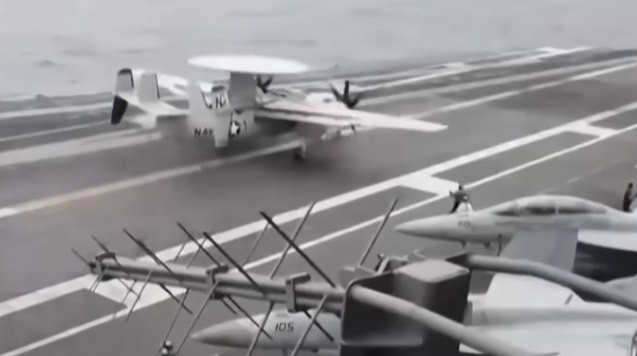
U.S. Central Command (CENTCOM) released the statement on social media, marking the first American casualties in the offensive. "Three U.S. service members have been killed in action and five are seriously wounded as part of Operation Epic Fury," the post read. Several others sustained minor shrapnel injuries and concussions but were expected to return to duty. Identities are being withheld for 24 hours pending family notifications.
Military officials told multiple outlets the deaths occurred at a U.S. base in Kuwait, where American troops support regional logistics and operations. Iranian retaliatory missile and drone strikes targeted bases across the Gulf, including in Kuwait, Bahrain and Iraq. One person familiar with the matter told The Associated Press the fatalities involved an Army unit overseeing supplies. The Washington Post and others reported Iranian attacks on U.S.-hosting facilities prompted the losses.
President Donald Trump addressed the casualties in a Truth Social video from Mar-a-Lago, calling the fallen "great people" and warning more deaths were likely. "Sadly, there will likely be more before it ends. That's the way it is," he said. Trump vowed to "avenge their deaths" with overwhelming force, stating, "America will avenge their deaths and deliver the most punishing blow to the terrorists who have waged war against basically civilization."
He reiterated the operation's timeline of "four weeks or less" to achieve objectives, including degrading Iran's missile capabilities, naval assets and leadership. Trump claimed U.S. forces destroyed half of Iran's missile stockpiles, prevented production of 1,500 more missiles, and sank nine Iranian warships. "Combat operations continue at this time in full force, and they will continue until all of our objectives are achieved," he said.
The casualties come amid rapid escalation. Joint U.S.-Israeli strikes Saturday targeted Iranian military sites, nuclear facilities, air defenses and senior officials, including Defense Minister Aziz Nasirzadeh and Security Council representative Ali Shamkhani. Iran's Red Crescent reported 555 deaths across the country from the attacks, with hundreds injured. Strikes hit over 130 cities, including Tehran.
Iran retaliated with missile barrages on Israel and Gulf allies, prompting interceptions and further Israeli responses against Hezbollah in Lebanon. Hezbollah vowed to confront the "aggression," launching rockets that Israel answered with strikes in Beirut's southern suburbs.
The conflict disrupted global energy and aviation. Tanker traffic halted near the Strait of Hormuz, oil prices surged, and Gulf airports closed, stranding travelers. U.S. bases in the region remain on high alert.
Trump expressed openness to talks but skepticism, urging Iranian generals to "hand power to the nation's people." Iranian officials rejected negotiations, vowing defense and retaliation. Russia and China condemned the strikes, while allies supported defending against threats.
Critics question the endgame, warning of prolonged engagement. A Reuters poll showed only one in four Americans supported the strikes, with 43% disapproving. Military analysts note Iran's proxy network and alliances complicate a swift resolution.
CENTCOM described the situation as "fluid," with ongoing strikes. Officials emphasized protecting personnel and allies while racing to neutralize threats.
As Day 2 unfolded Monday, strikes continued, with reports of additional Iranian missile launches and U.S.-Israeli responses. Global markets reacted sharply, with equities lower and safe havens higher amid uncertainty.
The deaths underscore the human cost of the campaign, raising stakes for escalation or de-escalation. Trump maintained the operation proceeds "ahead of schedule," but the toll signals challenges ahead.
© Copyright 2026 IBTimes AU. All rights reserved.