Is Khamenei Dead? Trump Claims Iran's Supreme Leader Ayatollah Khamenei Is Dead But Iran Says His Not
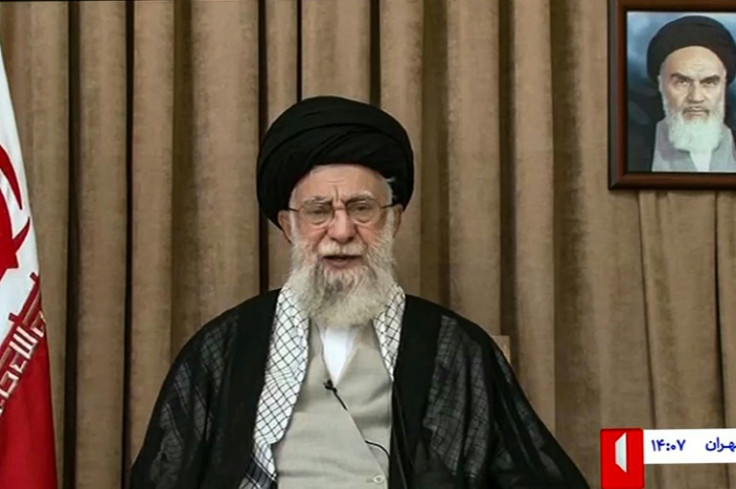
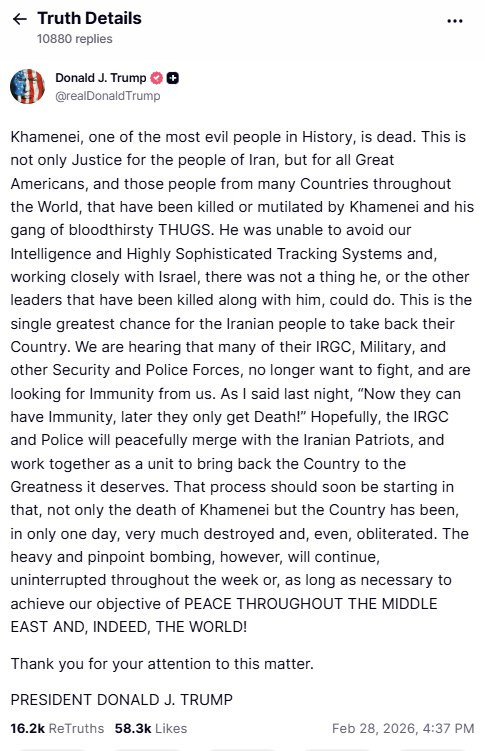
President Donald Trump declared on February 28, 2026, that Iran's Supreme Leader Ayatollah Ali Khamenei has been killed in joint U.S.-Israeli military strikes, calling his death "justice" and the "single greatest chance for the Iranian people to take back their country." Iranian state media and officials swiftly rejected the claim, insisting Khamenei remains "steadfast and firm in commanding the field" as the regime faces its most severe external threat in decades.
Trump made the announcement in a Truth Social post late Saturday, labeling Khamenei "one of the most evil people in History" and asserting the 86-year-old leader "was unable to avoid our Intelligence and Highly Sophisticated Tracking Systems." He added that "other leaders" were also killed, and bombing would continue "uninterrupted throughout the week or as long as necessary" to achieve "PEACE THROUGHOUT THE MIDDLE EAST AND, INDEED, THE WORLD!"
The claim followed hours of intense airstrikes targeting Tehran and other sites, including Khamenei's compound, IRGC headquarters and nuclear facilities in Isfahan, Qom, Kermanshah and Karaj. Israeli security officials, speaking anonymously to Reuters and other outlets, said Khamenei's body had been found after a direct hit on his Tehran residence. Four Israeli sources briefed on the matter told The Washington Post the supreme leader was killed in an airstrike on the compound, though they spoke on condition of anonymity due to the sensitive intelligence.
Iran's Tasnim and Mehr news agencies, citing sources close to Khamenei's office, reported he remained "steadfast and firm in commanding the field." A presenter on state television, without naming him directly, insisted leaders were "safe and sound." Foreign Minister Abbas Araghchi told NBC News earlier that, "as far as I know," Khamenei and other top officials were alive and in good health. Fars News dismissed Trump's statement as "baseless," accusing him of spreading "false and fabricated news."
No independent verification of Khamenei's status was immediately possible amid widespread communication disruptions, power outages and restricted access in Tehran. Satellite imagery showed multiple buildings destroyed at the supreme leader's fortified site, with thick smoke rising.
The conflicting reports fueled chaos and speculation. Trump urged Iranian military and security forces to seek immunity and lay down arms, warning they would "go down with Khamenei's sinking ship" if they resisted. He called on civilians to stay sheltered during continued strikes and on the people to overthrow the regime once operations conclude.
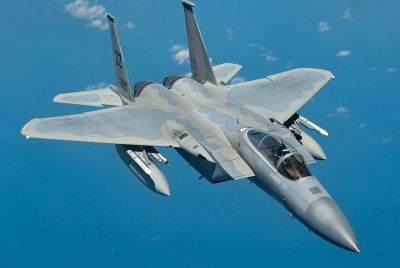
Israeli Prime Minister Benjamin Netanyahu earlier described the assault as pre-emptive to eliminate existential threats, with Defense Minister Israel Katz confirming months of joint planning. A senior U.S. official told reporters the operation involved over 500 aircraft and was designed for multiple waves targeting regime leadership and nuclear infrastructure.
Iran's Islamic Revolutionary Guard Corps responded with ballistic missile and drone barrages at Israel and U.S. bases in Iraq, Syria, the UAE, Bahrain, Qatar, Kuwait and Saudi Arabia. One civilian died in Abu Dhabi from debris, and shrapnel injured a man in northern Israel. Explosions near Bahrain's U.S. Fifth Fleet headquarters prompted evacuations.
Gulf states condemned the Iranian attacks as violations of sovereignty. The UAE described them as a "blatant attack" and reserved response rights. Saudi Arabia denounced the aggression against multiple nations and urged international condemnation.
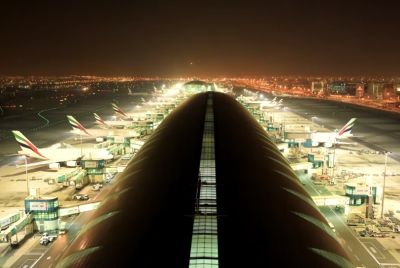
Airspaces closed across the region, stranding flights and disrupting travel. Oil prices surged over 15% on fears of Strait of Hormuz disruptions. Global stocks fell, while defense shares rose.
The U.N. Security Council convened an emergency session. Russia and China labeled the initial strikes "illegal aggression," while European leaders urged restraint. Humanitarian groups warned of civilian risks in urban targets.
Trump's assertion of Khamenei's death, if confirmed, would mark the most seismic shift in Iran's leadership since the 1979 revolution. Khamenei has ruled as supreme leader since 1989, overseeing nuclear policy, foreign affairs and the IRGC. Succession would likely involve the Assembly of Experts, but the process could spark internal power struggles amid external pressure.
As conflicting narratives persist, the world watches for confirmation of Khamenei's fate and Iran's next move. The strikes and claims have thrust the Middle East into uncharted territory, with regime survival and regional stability hanging in the balance.
© Copyright 2026 IBTimes AU. All rights reserved.
- MOST POPULAR IN Politics & Policy