Umar Dzhabrailov Death: Former Chechen Senator and Businessman Dies by Suicide in Moscow Hotel Shooting
Umar Dzhabrailov (Умар Джабраилов), a prominent Chechen-born Russian businessman and former member of Russia's Federation Council, died by suicide early Monday after shooting himself with a pistol in a central Moscow hotel, authorities and media reports confirmed.
The 67-year-old's body was discovered in a room at a hotel on Tverskaya Street, one of Moscow's main thoroughfares, according to the Telegram channel Mash and Russian news agency TASS, citing law enforcement sources. A pistol lay nearby, and initial investigations found no signs of foul play or criminal involvement. Dzhabrailov was initially hospitalized under an unknown identity in critical condition before hotel security confirmed his identity, per reports from Caspianpost and other outlets. He succumbed to his injuries shortly after.
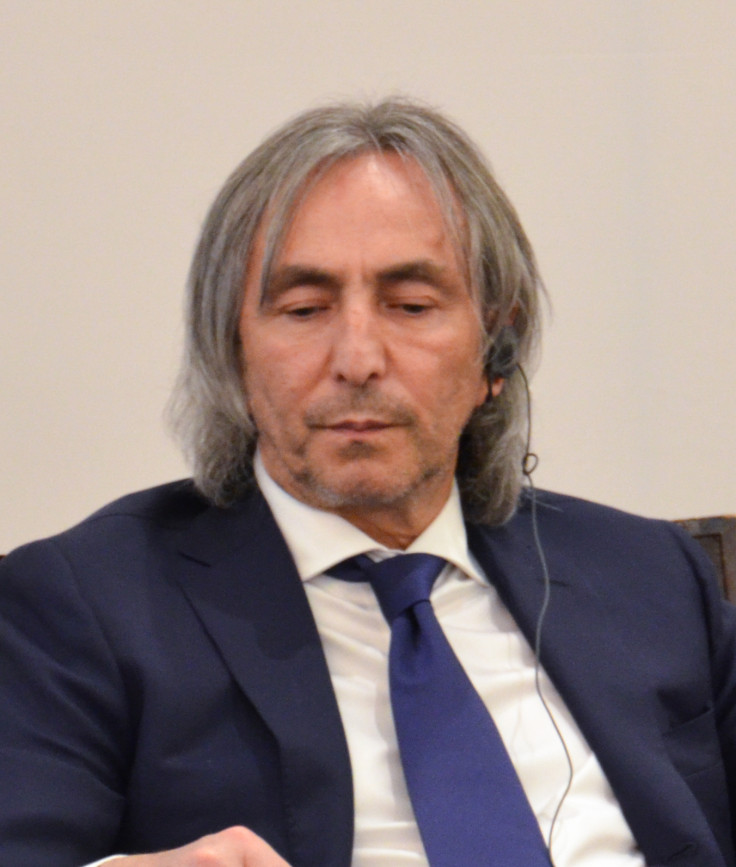
Dzhabrailov, born June 28, 1958, in Grozny, Chechnya, built a career spanning business, politics and public life. He represented Chechnya in the Federation Council from 2004 to 2009 and later served as an advisor to Sergei Prikhodko, assistant to the President of Russia. He held roles including vice president of the Artists Union of Russia and participated in the Parliamentary Assembly of the Council of Europe.
In the 1990s, Dzhabrailov gained notoriety for his involvement in the 1996 killing of American businessman Paul Tatum, his partner in managing the Radisson Slavyanskaya Hotel in Moscow. Tatum was shot in a hotel elevator amid disputes over the property; Dzhabrailov was investigated but not charged. The incident strained U.S.-Russia business ties at the time.
Dzhabrailov had a prior suicide attempt in 2020, according to Wikipedia and biographical details, though specifics remain limited. Monday's incident marks his death at age 67, with authorities describing it as self-inflicted. TASS quoted a source in law enforcement and Dzhabrailov's former lawyer stating there was "no criminal element" and an investigation was underway to confirm circumstances.
The death adds to a broader pattern of high-profile Russians—business leaders, officials and executives—dying under suspicious or apparent suicide circumstances since 2022. Lists compiled by outlets like Wikipedia, CNN and The Moscow Times document dozens of cases, many involving falls from windows, shootings or other violent means, often ruled suicides despite skepticism from associates or observers. While not directly linked, Dzhabrailov's case renews attention to such incidents amid Russia's ongoing geopolitical tensions.
Russian media emphasized the personal nature of the event, with no immediate suggestions of external involvement. Dzhabrailov's business interests included real estate, hospitality and advisory roles, though he maintained a lower public profile in recent years compared to his Federation Council tenure.
Moscow police sealed the hotel room and launched a formal probe, standard for violent deaths. Hotel staff reported no disturbances prior to the incident, and the discovery occurred early Monday. No suicide note has been publicly mentioned.
Dzhabrailov's passing drew condolences from Chechen and Russian circles, where he was known for bridging regional and federal interests. His career reflected the complex post-Soviet transition in Chechnya, from wartime upheaval to political integration under federal authority.
As details emerge, the case highlights ongoing challenges in addressing mental health and personal crises among prominent figures in Russia. Authorities urged caution against speculation pending the investigation's conclusion.
© Copyright 2026 IBTimes AU. All rights reserved.
- MOST POPULAR IN Politics & Policy