Modi BJP Faces Crucial 2026 Test in Key State Polls as Counting Begins Across India Today
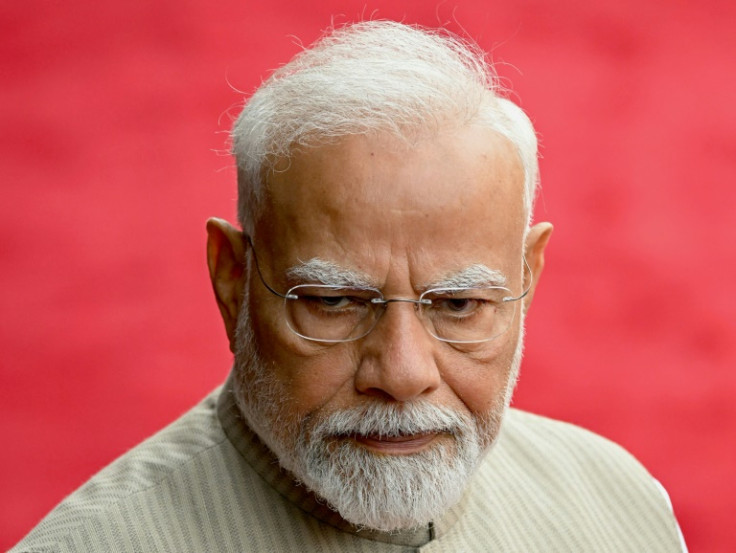
NEW DELHI — Vote counting began Monday across five key Indian states and a union territory in a major electoral test for Prime Minister Narendra Modi's Bharatiya Janata Party, with early trends showing the BJP-led NDA surging ahead in Assam while locked in tight battles in West Bengal and navigating complex triangular contests in Tamil Nadu. Results from the high-stakes Assembly elections in West Bengal, Tamil Nadu, Assam, Kerala and Puducherry will shape national political momentum heading toward the 2029 general elections.
Polling for the 824 seats concluded in phases through late April with record turnout in several states. By midday on May 4, early leads painted a picture of continuity in some strongholds, breakthroughs in others and uncertainty in high-profile contests. The BJP, seeking to expand its footprint beyond its traditional bases, views these outcomes as a barometer of its organizational strength and appeal in opposition-dominated regions.
In Assam, the NDA opened a commanding lead, with the BJP and allies ahead in around 69-87 constituencies out of 126, positioning the party for a third straight term under Chief Minister Himanta Biswa Sarma. Congress and its allies trailed significantly, reflecting strong performance by the ruling alliance on issues like development, infrastructure and border security. Assam has been a BJP success story in the Northeast, and retention here would bolster Modi's regional narrative.
West Bengal emerged as the fiercest battleground, with the BJP and ruling Trinamool Congress locked in a neck-and-neck fight. Early trends showed each side leading in roughly 100-112 of the 294 seats, amid reports of tensions at some counting centers. A BJP victory or significant gains would mark a historic upset against Mamata Banerjee's TMC, which has ruled since 2011. Banerjee seeks a fourth term, but anti-incumbency over issues like women's safety, unemployment and governance has fueled a strong challenge.
Tamil Nadu presented a dramatic triangular contest that could disrupt the long-standing Dravidian duopoly. Early leads favored the ruling DMK in around 55 seats, but actor-turned-politician Vijay's Tamilaga Vettri Kazhagam (TVK) demonstrated surprising strength, particularly among youth and urban voters. AIADMK and its allies lagged. TVK, contesting independently, has the potential to emerge as a kingmaker or force a hung Assembly in the 234-seat house, signaling generational change in southern politics.
In Kerala, the Congress-led United Democratic Front edged ahead in early counts with leads in about 75 seats against the ruling Left Democratic Front's 58. The BJP, which has struggled in the southern state, hoped for incremental gains but remained a minor player. Puducherry's NDA alliance appeared positioned to retain control in the 30-seat territory.
The elections carry significant weight for Modi's BJP at the national level. Success in expanding into West Bengal or holding Assam firmly would strengthen the party's claim of unstoppable momentum. Setbacks or limited gains could embolden the opposition INDIA bloc ahead of future national battles. Analysts describe these results as a mid-term verdict on Modi's governance, economic policies and cultural agenda.
High voter turnout underscored the stakes. Tamil Nadu recorded over 85 percent participation, one of its highest ever, with Vijay crediting young voters and families. Security remained tight at counting centers, with the Election Commission deploying extensive measures to ensure transparency. Electronic Voting Machines and VVPATs were scrutinized under strict protocols.
For the BJP, Assam represents a defensive win while West Bengal offers offensive potential. The party invested heavily in Bengal with Modi and senior leaders campaigning aggressively. Issues like infiltration, development and welfare schemes dominated discourse. A breakthrough there would be historic, giving the BJP its first government in the eastern powerhouse state.
Tamil Nadu's outcome holds symbolic importance even if the BJP plays a smaller role through alliances. The rise of TVK highlights how celebrity politics and new forces can challenge entrenched regional parties. DMK's welfare model faces scrutiny over delivery and corruption allegations, while voters seek fresh alternatives.
Kerala's verdict will test whether the Left can retain power or if Congress regains ground. The state's unique political culture, focused on social welfare and education, often resists national trends. Puducherry remains a smaller but strategically notable contest for the NDA.
Political observers note that these state results rarely move in perfect sync with national sentiment but provide crucial organizational insights. Strong performances could accelerate BJP's expansion plans, while mixed outcomes might prompt course corrections on alliance strategies and campaign messaging. Opposition parties, including Congress and regional heavyweights, see opportunities to stall the BJP's juggernaut.
As counting progressed through the afternoon, full results were expected by evening. Markets reacted cautiously, with some volatility in anticipation of outcomes that could influence economic policy continuity. Social media buzzed with real-time reactions, exit poll debates and victory claims from all sides.
The 2026 state polls represent more than local power shifts. They test the resilience of India's federal democracy and the enduring appeal of Modi's leadership model. Whether the BJP consolidates gains or faces resistance will set the tone for the remaining years of the current term and the road to 2029.
Voters across diverse regions weighed development promises against local concerns like jobs, inflation, caste dynamics and cultural identity. High participation reflected deep engagement in the world's largest democracy. Whatever the final tallies, these elections underscore the vibrant, competitive nature of Indian politics where no outcome is taken for granted.
© Copyright 2026 IBTimes AU. All rights reserved.
- Recommended For You