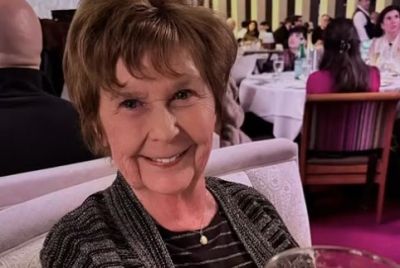
Nancy Guthrie Update: As May Begins, the Investigation Presses Forward with New Forensic Testing
TUCSON, Ariz. — The search for Nancy Guthrie, the 84-year-old mother of NBC "Today" show co-anchor Savannah Guthrie, entered its fourth month Friday with no arrests and investigators still pursuing leads in what authorities describe as an abduction from her Tucson home. Blood evidence, ransom demands and surveillance footage have fueled a high-profile investigation involving local, state and federal agencies, yet the case remains unsolved.

Nancy Guthrie was last seen on Jan. 31, 2026, after returning home from a family dinner. Her daughter Annie discovered signs of disturbance the next morning, including blood on the front porch. Authorities quickly shifted from a missing person case to an active abduction investigation, citing forced entry indicators and the elderly woman's limited mobility.
Pima County Sheriff Chris Nanos has maintained that Nancy Guthrie did not leave voluntarily. "We believe she was taken," he said in early briefings. The FBI joined the probe, contributing resources for forensic analysis and national tip coordination. A $1 million family reward and a separate $100,000 FBI reward remain active for information leading to her recovery.
Recent developments include FBI laboratory analysis of DNA and hairs recovered from the home. Sources say advanced testing is underway to identify potential matches. Surveillance footage released earlier showed a masked individual near the residence on the night of the disappearance, described by officials as one of the strongest early clues. Doorway camera systems captured activity consistent with an intruder, though image quality has complicated identification.
Multiple ransom communications have surfaced, complicating the case. One individual, Derrick Callella, faces trial for allegedly sending a fake ransom text to Savannah Guthrie. A Pima County judge set a trial date for Callella in coming months. Authorities stress he is not suspected in the actual abduction but warn against hoaxers who prey on high-profile cases.
The family has remained largely private while actively supporting the search. Savannah Guthrie returned to "Today" in April after time away, expressing continued hope. "We believe she is still alive; bring her home," she posted earlier alongside images of the suspect description. Brothers and other relatives have joined public appeals.
Investigators have chased thousands of tips, conducted extensive neighborhood canvasses, aerial searches and reviewed digital records. A person was briefly detained south of Tucson for questioning, but no charges resulted. Speculation about burglary gone wrong or targeted abduction persists, though officials have released limited details on motive.
Forensic experts point to blood spatter on the porch as potentially indicating a struggle. Former FBI profiler Jim Clemente suggested it could represent Nancy Guthrie's "last stand" before being taken. No weapon or clear signs of lethal violence were immediately apparent, giving some hope she remains alive.
The case has drawn national attention, partly due to Savannah Guthrie's prominence. Media coverage has been intense, with true crime analysts and former law enforcement figures offering theories on podcasts and cable news. Some speculate sophisticated planning, citing possible Wi-Fi jamming or coordinated entry. Others note the challenges of investigating crimes involving elderly victims.
As the search approaches 100 days, questions arise about whether it risks becoming a cold case. Sheriff's officials insist it remains active with dedicated resources. Nancy Grace and other commentators have called for broader volunteer efforts, including specialized search teams. The family continues pushing for public vigilance.
Tucson's desert environment poses preservation challenges for evidence and complicates ground searches. Temperatures fluctuate dramatically, and rugged terrain limits accessibility. Drones, dogs and volunteers have covered wide areas, but no trace of Nancy Guthrie has emerged.
Broader implications touch on elder safety, home security and the emotional toll on families of missing persons. Savannah Guthrie has spoken generally about the difficulty of not knowing, urging empathy for others facing similar ordeals. The case also highlights the role of DNA technology in cold or active investigations.
Pima County authorities coordinate with the FBI's behavioral analysis unit and forensic labs. Digital forensics on devices and neighborhood cameras continue. Tips can be submitted anonymously through official channels or the family's reward platform. Officials emphasize verified information amid the volume of leads.
For the Guthrie family, each day without answers brings renewed determination mixed with heartbreak. Nancy Guthrie, described as vibrant and community-oriented, remains the focus. Her disappearance has united neighbors in Tucson and viewers nationwide in hoping for a safe return.
As May begins, the investigation presses forward with new forensic testing and public appeals. Whether the case breaks through DNA matches, a credible tip or renewed surveillance review is unknown. For now, Nancy Guthrie's loved ones and law enforcement refuse to give up, treating every lead as potentially the one that brings her home.
© Copyright 2026 IBTimes AU. All rights reserved.
- Recommended For You