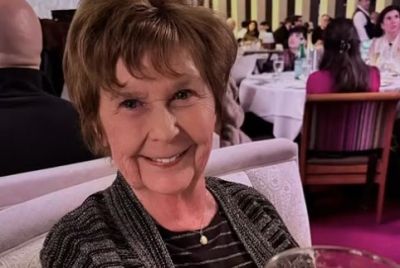
Nancy Guthrie Update: Community Vigils and Support for the Guthrie Family Persist in Tucson

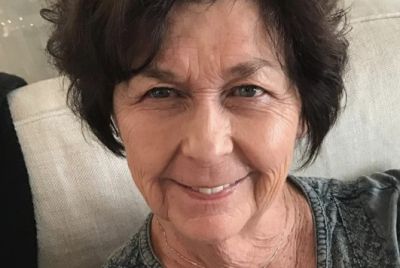
TUCSON, Ariz. — Nearly three months after 84-year-old Nancy Guthrie vanished from her Catalina Foothills home in an apparent abduction, the FBI is advancing advanced DNA analysis on hair and other evidence recovered from the scene while a separate trial date has been set for a man accused of sending a fake ransom text to her daughter, "Today" co-anchor Savannah Guthrie.
Pima County Sheriff Chris Nanos and federal investigators continue to treat the Feb. 1 disappearance as a targeted kidnapping, citing blood spatter at the residence and doorbell camera footage of a masked, armed intruder. No arrests have been made, no suspects publicly identified, and Guthrie's whereabouts and condition remain unknown as the case approaches its 90th day.
A Pima County judge recently set a trial date for Derrick Callella, charged with sending a fraudulent ransom demand to Savannah Guthrie shortly after the abduction. Callella faces no connection to the actual kidnapping but his case highlights the wave of opportunistic exploitation that followed the high-profile disappearance.
Forensic efforts have intensified. The FBI received a hair sample collected from Guthrie's home in February and is applying next-generation sequencing technology for deeper analysis, sources familiar with the probe told multiple outlets. FBI officials clarified that the evidence is not new — the bureau requested testing two months ago — but a delay occurred when the Pima County Sheriff's Office initially sent materials to a private lab.
Retired FBI profiler Jim Clemente analyzed publicly available details of the blood evidence, suggesting Guthrie may have made a "last stand" at her front entrance, coughing up blood while resisting her abductor. Forensic nurse and "Mindhunter" inspiration Ann Burgess has speculated the kidnapping could involve retribution or a botched ransom plot that turned fatal given Guthrie's age, pacemaker and need for daily medication.
The masked suspect captured on Google Nest footage — described as average build, 5-foot-9 to 5-foot-10, wearing a black backpack — was seen on an earlier reconnaissance visit. A glove recovered miles away yielded additional unknown male DNA now under review. Mixed samples at the home have complicated the forensic puzzle.
Ransom communications have added torment. The family received notes, including messages sent to TMZ claiming Guthrie was seen alive in Sonora, Mexico. Anonymous senders demanded Bitcoin while alternating between claims she is alive and hints she may be dead. Savannah Guthrie addressed the notes publicly in March, expressing cautious belief they could contain genuine information while pleading for her mother's safe return.
The family offered a $1 million reward in late February for information leading to Nancy's recovery. Savannah returned to the "Today" anchor desk in early April, delivering an emotional update and resuming duties while the search continues. Family members, including daughter Annie, reportedly passed polygraphs and were cleared.
Investigators explored possible pre-abduction activity around Jan. 11 based on digital evidence. Tens of thousands of tips have poured in, prompting extensive ground, air and drone searches across southern Arizona. Cadaver dog efforts were paused earlier but could resume. No second crime scene has been confirmed.
Neighbors in the upscale Catalina Foothills community expressed growing anxiety that the case may go cold. Some reported FBI follow-ups on local interactions, while others noted increased trespassing by amateur sleuths and true-crime content creators. Sheriff's officials have urged the public to respect the neighborhood and submit verified tips.
Former FBI agents and profilers describe the motive as potentially straightforward — a ransom kidnapping that went wrong due to Guthrie's fragile health. Others suggest possible personal connections or retribution. The intruder's apparent familiarity with the property raises questions about prior surveillance.
Guthrie's medical vulnerabilities heighten urgency. At 84 with mobility issues, prolonged captivity or exposure without medication would be life-threatening. Her pacemaker adds another layer of concern for investigators.
The case has captivated national attention, drawing parallels to other high-profile abductions of vulnerable adults. Savannah Guthrie has balanced public appeals with privacy, wearing yellow — her mother's favorite color — on air as a symbol of hope. The family's cooperation with authorities has been praised.
Challenges include the desert terrain, mixed DNA profiles and the passage of time. Yet officials insist the investigation remains active rather than cold. Advanced genetic genealogy techniques, as used successfully in other cold cases, could prove decisive if rootless hair or other samples yield usable profiles.
The FBI continues offering a $50,000 reward alongside the family's $1 million. Tips can be submitted anonymously to 1-800-CALL-FBI or local law enforcement. As public updates slow, behind-the-scenes forensic work and tip analysis drive progress.
Community vigils and support for the Guthrie family persist in Tucson. The case has spotlighted risks to elderly residents and the importance of home security even in affluent areas. It also underscores the emotional toll on public figures navigating private crises under intense media scrutiny.
As the calendar turns toward May, the search for Nancy Guthrie enters a new phase. DNA results, digital forensics and persistent public tips offer the best hope for resolution. For Savannah Guthrie and her siblings, every day without answers brings renewed determination alongside grief.
Authorities vow not to rest until Guthrie is found and those responsible are held accountable. The combination of traditional detective work and cutting-edge science keeps the investigation moving forward even as headlines quiet. For a family and a nation watching, the hope remains that science and persistence will bring Nancy home.
© Copyright 2026 IBTimes AU. All rights reserved.
- Recommended For You