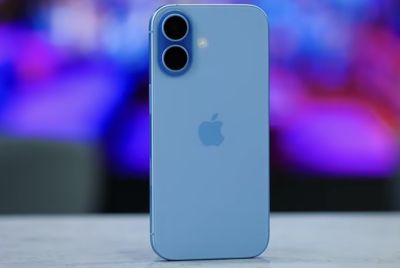
Apple Foldable iPhone Delayed to 2027 as Design and Cost Challenges Mount
CUPERTINO, Calif. — Apple has pushed back the launch of its long-awaited foldable iPhone to 2027, according to multiple supply chain reports and analyst briefings, as the company continues to wrestle with technical hurdles, high production costs and concerns about durability in a market already crowded with competing foldable devices.

The delay marks the latest setback for a project that has been in development for years. Apple originally targeted a 2026 release for its first foldable smartphone, but sources familiar with the matter now say internal testing revealed persistent issues with the hinge mechanism, screen creasing and overall user experience that the company is unwilling to compromise on.
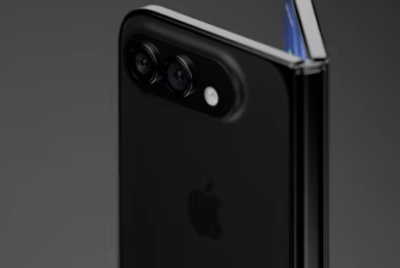
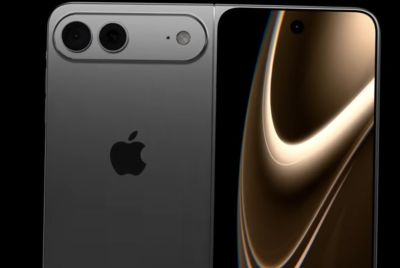
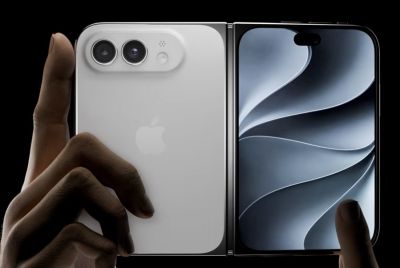
Analysts at Bloomberg, Ming-Chi Kuo and The Elec all reported this week that mass production is now slated for late 2027, with a possible limited release in the second half of that year. The device is expected to feature a book-style fold similar to Samsung's Galaxy Z Fold series, with a larger internal display when opened and a more compact form when closed.
Apple's cautious approach reflects its reputation for prioritizing product quality over being first to market. While Samsung, Google, Motorola and Chinese manufacturers like Huawei and Xiaomi have already established themselves in the foldable segment, Apple is determined to deliver a device that meets its famously high standards for reliability and premium experience.
Current prototypes are said to suffer from visible creasing on the foldable display, mechanical reliability concerns after repeated opening and closing, and battery life challenges due to the dual-screen design. Engineers are also working to integrate the foldable mechanism without significantly increasing the device's thickness or weight.
Cost remains another major obstacle. Early estimates suggest the foldable iPhone could retail for well over $2,000, potentially limiting its initial market to high-end consumers. Apple is reportedly pushing suppliers to reduce component costs, particularly for the ultra-thin flexible OLED panels and advanced hinge systems.
Despite the delay, excitement around Apple's eventual entry remains high. The company's vast ecosystem, brand loyalty and marketing power could help mainstream foldable phones in a way competitors have struggled to achieve. Many analysts believe a polished Apple foldable device could significantly expand the category's global market share.
Supply chain partners including Samsung Display, LG Display and BOE are competing fiercely for the contract to supply the flexible screens. Samsung is currently the frontrunner due to its experience with foldable panels, but Apple is known for diversifying suppliers to reduce risk.
The foldable project is being led by Apple's hardware engineering team under John Ternus, with close involvement from chief design officer Jonathan Ive's successors. Insiders say CEO Tim Cook has emphasized the need for the device to feel like a natural evolution rather than a gimmick, aligning with Apple's philosophy of waiting until technology is truly ready.
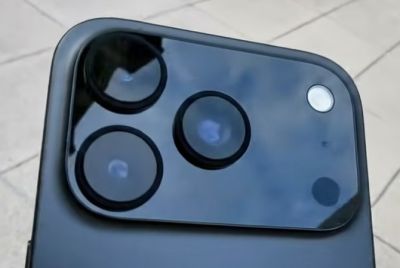
In the meantime, Apple continues refining its current iPhone lineup. The iPhone 18 series expected later this year is rumored to feature slimmer bezels, improved cameras and potentially under-display Face ID. These incremental upgrades help maintain consumer interest while the foldable project matures.
Industry watchers note that foldable adoption has grown steadily but remains niche. Global shipments of foldable smartphones reached around 25 million units in 2025, still a small fraction of total smartphone sales. Price sensitivity and durability concerns continue to limit broader appeal.
Apple's eventual entry could change that dynamic. The company's ability to create seamless software experiences across devices, combined with its retail and service ecosystem, positions it uniquely to drive mainstream acceptance. However, it must overcome the perception challenges that have plagued earlier foldables.
For consumers, the delay means waiting at least another year for Apple's take on foldable technology. Many are watching Samsung's upcoming Z Fold 8 and Z Flip 8 releases closely, while others prefer to stick with traditional slab-style iPhones until Apple's version arrives.
Financial implications for Apple are significant. A successful foldable iPhone could open a new premium segment and boost average selling prices. However, any misstep could damage the brand's reputation for flawless execution. Apple's careful approach suggests it is prioritizing long-term success over short-term headlines.
The competitive landscape continues evolving rapidly. Chinese manufacturers are aggressively pricing foldables, while Google and Samsung iterate quickly on software features. Apple's strength lies in its integrated hardware-software approach and loyal customer base, but the delay gives rivals more time to refine their offerings.
As development continues behind closed doors, speculation about design details will intensify. Rumors suggest a larger internal display than current competitors, advanced hinge technology to minimize creasing, and tight integration with iPadOS elements for productivity features when unfolded.
Apple has not commented publicly on the project, consistent with its policy of not discussing unreleased products. The company's history shows that when it eventually launches a new category, it often redefines expectations, as it did with the original iPhone in 2007 and the iPad in 2010.
For now, the foldable iPhone remains one of the most anticipated unreleased devices in tech. Its 2027 arrival will represent a major milestone not just for Apple but for the entire smartphone industry as it transitions toward more versatile form factors.
Investors appear patient. Apple's stock has performed well despite the delay news, supported by strong services revenue, AI features in iOS and continued iPhone sales strength. The foldable project is viewed as a long-term growth opportunity rather than an immediate necessity.
As the tech world awaits Apple's vision for foldables, one thing remains clear: when the company finally releases its version, it will aim not just to compete but to set a new standard for what a premium foldable smartphone can be.
© Copyright 2026 IBTimes AU. All rights reserved.
- Recommended For You