Nikkei 225 Surges Past 65,000 for First Time as Iran Peace Hopes Fuel Record Rally
Japan's Nikkei 225 index reaches a historic high, driven by easing geopolitical tensions and strong tech earnings.
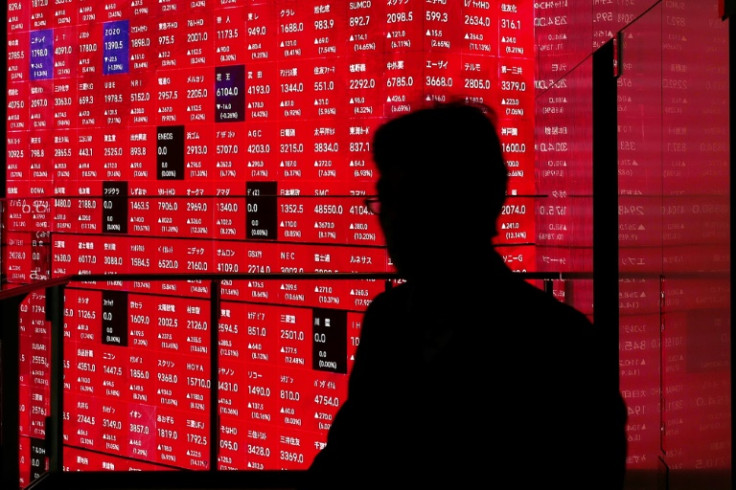
TOKYO — Japan's benchmark Nikkei 225 stock average rocketed more than 2.8% to close at a record 65,158.19 on Monday, breaching the 65,000 mark for the first time as optimism over potential progress in U.S.-Iran negotiations eased fears about energy supplies and boosted global risk appetite.
The index gained 1,819.12 points, or 2.87%, in Tokyo trading, according to data from Nikkei Inc. It hit an intraday high of 65,408.87. The broader Topix index rose about 1.4% to 3,946.67. Trading volume was solid as investors piled into exporters, technology shares and energy-sensitive names.
The surge came after U.S. President Donald Trump signaled that talks aimed at ending the conflict with Iran were advancing. Reopening the Strait of Hormuz — a critical chokepoint for global oil shipments that had been disrupted by the fighting — would relieve pressure on energy prices and benefit import-dependent Japan. Oil prices fell sharply on the news, with U.S. crude dropping more than $4 a barrel in early trading.
"This news sparked a drop in oil prices along with gains in Japanese government bonds and the yen, adding to signs of improving risk sentiment," said Maki Sawada, an equities strategist at Nomura Securities.
Even so, Sawada cautioned that any agreement faces hurdles. "Even if an agreement is reached, there remains uncertainty regarding whether it will be adhered to, as the Iranian government may not be united on the issue," she said. "The 65,000 mark is a psychological milestone, so reaching this level has led to some caution and selling pressure at such a high price range."
Monday's rally capped a strong run for Japanese shares. The Nikkei has climbed more than 70% over the past year, driven by a mix of corporate governance reforms, resilient earnings — particularly in technology and semiconductors — and periodic weakness in the yen that has helped exporters. Foreign investors have returned in force, drawn by relatively attractive valuations compared with U.S. markets and efforts by the Tokyo Stock Exchange to push companies toward higher shareholder returns through buybacks and dividends.
Technology and AI-related stocks led the gains. SoftBank Group jumped nearly 12% in recent sessions on optimism around its portfolio companies, including potential U.S. listings. Chip equipment makers such as Tokyo Electron and Advantest also advanced, riding global enthusiasm for artificial intelligence infrastructure. Exporters like Toyota and Sony benefited from both the risk-on mood and a slightly softer yen.
The rally reflects broader market dynamics. Strong U.S. tech earnings earlier in the month, including upbeat forecasts from companies like Advanced Micro Devices, spilled over into Japanese suppliers. At the same time, easing geopolitical tensions provided a catalyst that many investors had been waiting for after weeks of volatility tied to Middle East risks.
"Today's sharp gain of the Nikkei was led by the strong performance of chip shares, driven by Advanced Micro Devices's strong forecast," said Takamasa Ikeda, a senior portfolio manager at GCI Asset Management. "The contents of the U.S.-Iran peace proposals are thin, but there is an expectation in the market that further military action will not take place."
Japan's economy remains sensitive to energy costs. As a major importer with limited domestic resources, the country has faced headwinds whenever oil prices spiked due to the Iran conflict. Analysts estimate that a sustained reopening of the Strait of Hormuz could shave billions off Japan's annual import bill and support consumer spending and corporate margins.
The Bank of Japan has been navigating a complex environment. With inflation above target and signs of wage growth, markets have priced in the possibility of further rate hikes later in 2026. A stronger yen on Monday — the dollar fell to around 158.80-159 yen — could temper some exporter gains but also reflects improved confidence. Japanese government bonds rallied, pushing yields lower.
Broader Asian markets joined the upbeat mood, though trading was thin due to holidays in South Korea and Hong Kong. Australia's S&P/ASX 200 added 0.4%. China's Shanghai Composite rose nearly 1%. U.S. stock futures pointed higher.
Still, analysts warn that the rally could prove vulnerable. The Nikkei has moved sharply in both directions this year amid shifting oil prices, U.S. policy signals and domestic political developments under Prime Minister Sanae Takaichi's government. Corporate earnings for the fiscal year ending in March 2027 will be closely watched for any signs that higher energy costs or yen fluctuations have dented profitability.
The milestone above 65,000 comes more than three decades after the index last set records in the late 1980s bubble era. Today's market is fundamentally different — underpinned by real earnings growth rather than speculation — but the speed of the advance has raised questions about valuations in certain sectors.
Looking ahead, investors will parse upcoming economic data from Japan and the United States, as well as any further updates from Washington and Tehran. A durable peace deal could open the door to sustained gains, while any breakdown in talks might reignite volatility.
For now, the mood in Tokyo trading rooms was celebratory. Floor traders at the Tokyo Stock Exchange watched the electronic board tick higher through the afternoon session, with the close confirming the record finish shortly after 3 p.m. local time.
The performance underscores Japan's renewed prominence in global portfolios. Once dismissed as a stagnant market, the country has benefited from structural changes, including pressure on companies to deploy capital more efficiently and a central bank that has gradually normalized policy after years of ultra-loose settings.
Yet challenges remain. Demographic headwinds, high public debt and exposure to global supply chain disruptions mean the rally is far from guaranteed. Economists at Nomura and other institutions forecast continued but moderating growth, with risks tilted toward external shocks.
Monday's trading capped what has been a remarkable recovery and expansion for Japanese equities. From levels below 30,000 just a few years ago, the Nikkei has more than doubled, reflecting both cyclical tailwinds and longer-term repositioning by international investors seeking diversification away from concentrated U.S. tech exposure.
As markets digest the geopolitical developments, attention will shift to corporate results and policy signals. The coming weeks could determine whether this breakout above 65,000 marks the start of a new leg higher or a peak that tests investor conviction.
© Copyright 2026 IBTimes AU. All rights reserved.
- Recommended For You