(VIDEO) Trump Admits He Slowed Secret Service During WHCD Shooting: 'I Wanted to See What Was Going On'
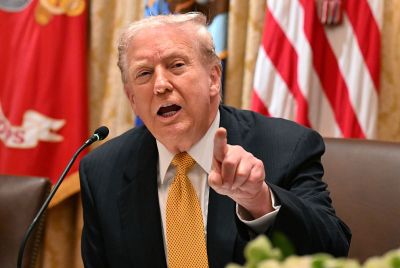
WASHINGTON — President Donald Trump revealed in a candid "60 Minutes" interview that he partially slowed his own Secret Service protection during the chaotic moments after gunshots erupted at the White House Correspondents' Dinner on April 25, saying he hesitated because "I wanted to see what was going on" as agents tried to rush him and other top officials to safety.
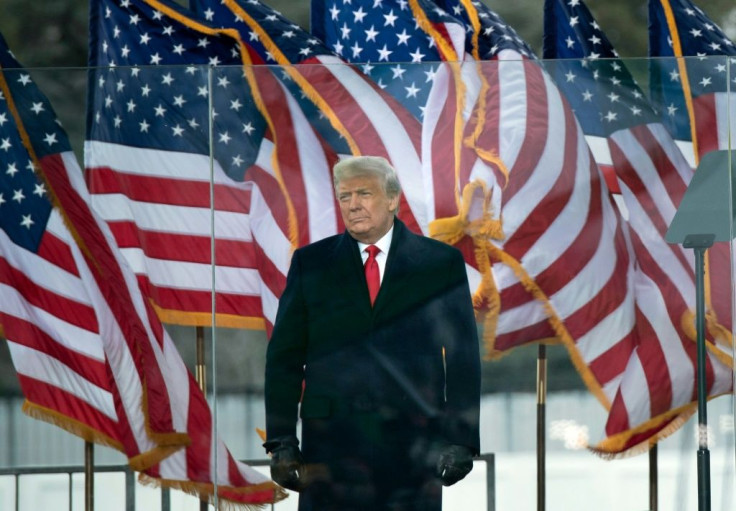
The admission came one day after the dramatic incident at the Washington Hilton, where a 31-year-old armed suspect, identified as Cole Tomas Allen of Torrance, California, charged a security checkpoint outside the ballroom, fired shots and was apprehended after a brief exchange of gunfire. One Secret Service agent was struck but protected by a bulletproof vest. No guests inside the ballroom were injured.
Trump, who was attending the dinner as sitting president for the first time, described the sequence in detail to CBS correspondent Norah O'Donnell. "Well, what happened is it was a little bit me," he said. "I wanted to see what was happening, and I wasn't making it that easy for him. I wanted to see what was going on. And by that time we started to realize maybe it was a bad problem, different kind of a problem, bad one."
He added that he was surrounded by "great people" and probably caused the agents to move more cautiously. Trump emphasized he was not worried during the incident and later praised the professionalism of law enforcement while calling for the dinner to be rescheduled within 30 days with enhanced security.
Chaos Unfolds at the Annual Gala
The incident unfolded around 8:34 p.m. EDT as dinner was underway in the Hilton's cavernous ballroom. Attendees, including journalists, celebrities and administration officials, heard thuds and popping sounds. Secret Service agents rushed the stage, surrounding Trump, First Lady Melania Trump, Vice President JD Vance and Cabinet members before evacuating them swiftly.
Guests dived under tables as chaos erupted. WHCA President Weijia Jiang addressed the room, initially attempting to continue the program before the full evacuation. Trump later held a news conference at the White House, explaining the events and vowing to press forward.
Allen, described as a teacher and amateur video game developer, was carrying a shotgun, handgun and multiple knives. He was tackled near a staircase leading toward the ballroom. Authorities believe he acted alone and was likely targeting Trump administration officials, based on writings recovered that referenced grievances against the administration and called himself the "Friendly Federal Assassin."
Trump's Third Brush With Violence
This marks the third documented assassination attempt or major security incident involving Trump since 2024, following the July 2024 Butler, Pennsylvania rally shooting and the September 2024 Florida golf course plot. Trump has framed the events as evidence of deep national divisions while crediting divine protection and strong security.
In the "60 Minutes" preview, Trump marveled at security footage showing the suspect's speed, describing him as "almost like a blur" and joking that "the NFL should sign him up." He defended the venue's security while acknowledging the challenges of protecting large indoor events.
Broader Implications and Reactions
The shooting has reignited debates about political violence, Secret Service protocols and the safety of public events. Bipartisan condemnation poured in, with calls for unity and stronger protections for leaders and journalists. The incident occurred at the same hotel where President Ronald Reagan was shot in 1981, adding historical resonance.
WHCA officials announced plans to reschedule the dinner with enhanced measures. Trump expressed a desire to return and deliver the remarks he had prepared, saying he was ready to "rip it" but followed protocol by leaving.
Allen faces multiple federal charges, including attempted assassination. He is scheduled for arraignment, and investigators continue examining his writings and background for motive. Preliminary findings point to political motivations tied to administration policies.
Trump's Resilience Narrative
Throughout the interview and subsequent appearances, Trump projected calm and defiance. He told reporters he was not worried during the incident and focused on ensuring everyone's safety. The episode adds to his public image of enduring threats while continuing his agenda.
Supporters praised his composure, while critics questioned security lapses and the normalization of violence in political life. The event has dominated news cycles, with footage of the evacuation and Trump's explanation circulating widely on social media.
As the investigation proceeds, the White House and Secret Service are reviewing protocols for major indoor gatherings. Trump has called for bigger perimeters and stronger measures at future events. The WHCD, traditionally a night of roasts and camaraderie between press and politicians, became another stark reminder of the risks facing public figures in a polarized era.
For now, Trump's explanation of his momentary hesitation humanizes the high-stakes response while reinforcing his narrative of strength under pressure. As the third major incident in under two years, it underscores the extraordinary security challenges of his presidency and the nation's ongoing struggle with political violence.
© Copyright 2026 IBTimes AU. All rights reserved.
- Recommended For You