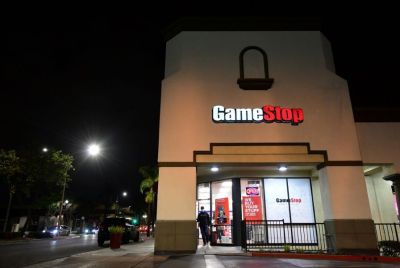
GameStop's Stunning $56 Billion Bid to Buy eBay Shocks Markets and Ignites Takeover Drama

NEW YORK — GameStop Corp. has made an unsolicited $56 billion offer to acquire eBay Inc. in a bold cash-and-stock deal that would combine the video game retailer with the iconic online marketplace and create what CEO Ryan Cohen calls a "legit competitor" to Amazon. The surprise proposal, revealed Sunday evening, values eBay at $125 per share — a roughly 20 percent premium to its recent closing price — and marks one of the most audacious takeover attempts in recent retail history.
GameStop, once a meme-stock phenomenon, has built a 5 percent stake in eBay through derivatives and common stock. In a letter to eBay's board, Cohen outlined his vision for transforming the combined company into a much larger e-commerce player. He has secured a highly confident financing letter from TD Securities for up to $20 billion and plans to use GameStop's existing cash reserves of approximately $9.4 billion to fund the cash portion of the deal. The offer is 50 percent cash and 50 percent GameStop stock, with full shareholder election rights.
The move stunned Wall Street. eBay shares surged more than 30 percent in pre-market trading Monday, while GameStop stock jumped on the news that its activist CEO is pursuing aggressive growth. Cohen told The Wall Street Journal he is prepared to take the bid directly to eBay shareholders in a proxy fight if the board rejects the proposal. He has hired White & Case as legal counsel and TD Securities for financing advice.
Analysts described the bid as ambitious yet challenging. GameStop's current market value is a fraction of the $56 billion deal size, raising immediate questions about execution and regulatory hurdles. The company has been shrinking its physical retail footprint, closing hundreds of stores in recent years as it pivots toward e-commerce and collectibles. Cohen, who took the helm in 2021 during the meme-stock frenzy, has long pushed for a digital transformation.
eBay, founded in 1995, remains a powerhouse in online auctions and fixed-price sales but has faced stiff competition from Amazon and newer platforms. Under CEO Jamie Iannone, the company has focused on streamlining operations, expanding its advertising business and improving the seller experience. eBay's board has not yet commented publicly on the offer, though sources say it was unexpected.
If completed, the merger would create a retail giant with complementary strengths. GameStop brings gaming, collectibles and a passionate customer base, while eBay offers a massive marketplace for secondhand goods, electronics and niche categories. Cohen has expressed confidence that the combined entity could rival Amazon in select segments, particularly in used and collectible items where GameStop already excels.
The proposal comes as GameStop continues its evolution from brick-and-mortar video game retailer to a more diversified technology and e-commerce player. The company has invested heavily in its online presence and NFT-related initiatives in recent years. Cohen's track record as an activist investor at GameStop and other firms has earned him a reputation for bold, sometimes controversial moves.
Wall Street reaction was mixed. Some analysts praised the vision of creating a true Amazon alternative in niche categories, while others questioned the financing structure and strategic fit. GameStop's history of volatility — including the 2021 short squeeze that turned it into a cultural phenomenon — adds another layer of intrigue to the deal.
For eBay shareholders, the offer represents a significant premium. The $125 per share price is well above recent trading levels and reflects Cohen's belief that eBay is undervalued and capable of much higher growth under new leadership. Should the deal proceed, Cohen is expected to become CEO of the combined company.
The timing is notable. GameStop has been quietly accumulating its eBay stake since early February, according to regulatory filings. The company plans to file a Schedule 13D and HSR notification this week, formally disclosing its position and intentions.
Retail and e-commerce experts are watching closely. A successful combination could reshape parts of the online marketplace landscape, particularly in used goods and collectibles. However, regulatory scrutiny is likely given the size of the deal and the companies' market positions. Antitrust concerns could arise, though the overlap in core businesses appears limited.
GameStop's proposal highlights the ongoing disruption in retail. Traditional brick-and-mortar players are increasingly looking to acquire or merge with digital platforms to survive in an Amazon-dominated world. Cohen's aggressive approach reflects his belief that bold moves are necessary to create long-term value.
As markets digest the news, attention turns to eBay's response. The board must evaluate the offer in the best interests of shareholders while considering strategic alternatives. A quick rejection could lead to a proxy battle, while acceptance would trigger a complex integration process.
For now, the bid has injected fresh excitement into both companies' stories. GameStop, once written off as a declining retailer, is once again at the center of a major deal. eBay, long viewed as a steady but uninspiring marketplace, suddenly finds itself the target of one of the most talked-about takeover attempts in years.
The coming days will be critical as both sides navigate the next steps. Investors, analysts and consumers alike are eager to see how this high-stakes drama unfolds. Whether the deal ultimately succeeds or serves as a catalyst for other strategic moves, GameStop's $56 billion offer has already rewritten the narrative for two iconic names in retail and e-commerce.
© Copyright 2026 IBTimes AU. All rights reserved.
- Recommended For You