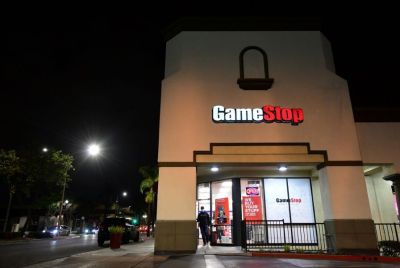
GameStop GME Stock Analysis: Is It a Long-Term Buy at $25 Amid Retail Transformation?

NEW YORK — GameStop Corp. shares hovered around $25 in early trading Friday as investors weighed the company's cash-rich balance sheet and potential strategic moves against ongoing challenges in its core retail business, leaving analysts divided on whether the meme stock favorite represents a compelling long-term opportunity or a high-risk legacy play.
The video game retailer has transformed since its 2021 meme stock frenzy, amassing nearly $9 billion in cash and equivalents while reducing debt and exploring diversification under CEO Ryan Cohen. Yet physical game sales continue declining amid digital shifts, raising questions about long-term viability even as Wall Street debates the company's evolution into a potential holding entity.
Analysts offer a wide range of 2026 price targets, from bearish forecasts around $13 to more optimistic scenarios near $36 if acquisitions materialize. The average target sits near $24, suggesting limited upside from current levels according to consensus models. However, the stock's volatile history and dedicated retail investor base mean traditional metrics may not fully capture its potential.
Bullish arguments center on Cohen's track record and GameStop's financial flexibility. With billions in cash and minimal debt, the company is well-positioned for acquisitions or investments that could pivot it beyond traditional retail. Speculation has swirled around potential deals in collectibles, e-commerce or even unrelated sectors, echoing Cohen's Chewy success. Proponents see GameStop evolving into a junior Berkshire Hathaway-style entity, leveraging its brand and shareholder base for long-term value creation.
Skeptics highlight structural headwinds in video game retail. Physical sales have plummeted as digital downloads and cloud gaming grow. Competition from Amazon, Walmart and specialized online retailers has eroded market share. While GameStop has expanded into PC components and collectibles, these segments face their own challenges amid economic uncertainty and shifting consumer habits. Revenue declines and thin margins raise concerns about sustainability without successful diversification.
Recent financial performance shows mixed signals. The company has posted better-than-expected results in some quarters through cost-cutting and inventory management. However, year-over-year sales trends remain pressured. Cash burn has slowed, but profitability outside of occasional spikes remains elusive. Management has emphasized capital allocation discipline, but investors await concrete evidence of a successful pivot.
The meme stock legacy continues influencing trading patterns. High short interest and passionate retail ownership create potential for volatility spikes unrelated to fundamentals. This dynamic has both benefited and harmed long-term holders, with sharp rallies followed by prolonged declines. Analysts caution that sentiment-driven moves can obscure underlying business realities.
Long-term buy considerations depend heavily on execution. A successful major acquisition could re-rate the stock significantly higher, while continued retail erosion without strategic success could lead to further value destruction. The company's cash position provides a substantial margin of safety but also raises questions about opportunity cost if deployed poorly. Investor patience will be tested as Cohen's vision unfolds.
Broader retail sector trends add context. Traditional brick-and-mortar players face existential challenges from e-commerce and changing consumer preferences. GameStop's situation mirrors struggles at other specialty retailers, though its cult following and cash reserves differentiate it. Successful adaptation could serve as a model, while failure might accelerate industry consolidation.
Risks remain substantial. Regulatory scrutiny, competitive pressures and macroeconomic factors could derail turnaround efforts. The stock's valuation, while lower than meme-era peaks, still reflects optimism about transformation that has yet to fully materialize. Dilution risks from potential equity raises or poor capital allocation represent additional concerns for shareholders.
For patient investors comfortable with volatility, GameStop offers asymmetric upside if Cohen delivers. The cash hoard provides dry powder for opportunistic moves in a distressed retail landscape. However, most traditional analysts recommend caution, favoring more predictable businesses with clearer growth trajectories. The meme factor adds unpredictability that may not suit conservative portfolios.
GameStop's story remains one of the most compelling in modern markets — a legacy retailer reborn through retail investor fervor and activist leadership. Whether it becomes a long-term winner or cautionary tale will depend on strategic execution in the years ahead. As 2026 progresses, earnings reports and any major announcements will likely dictate the stock's direction more than short-term price action.
© Copyright 2026 IBTimes AU. All rights reserved.
- Recommended For You