US Releases 14-Point Memorandum of Understanding with Iran on Nuclear Issues and Regional Stability
The Islamabad Memorandum outlines steps for sanctions relief and nuclear program discussions amid regional tensions.

WASHINGTON — The United States on Wednesday publicly released the full text of a 14-point memorandum of understanding reached with Iran, outlining steps toward de-escalation, sanctions relief and addressing Tehran's nuclear program following recent regional tensions.
The document, titled the "Islamabad Memorandum of Understanding between the United States of America and the Islamic Republic of Iran," details commitments on reopening the Strait of Hormuz, easing financial restrictions and setting parameters for future technical talks on Iran's nuclear activities. A senior U.S. administration official described the agreement as a framework for immediate stabilization and longer-term negotiations.
"This is fundamentally an agreement that allows us to open the Strait of Hormuz immediately, commit the Iranians to destroying the nuclear dust, and then gives us a dial where if the Iranians dial up their good behavior, we respond by dialing up the kind of economic and sanctions relief that can make them a more prosperous country," the senior official said.
The memorandum, due to be formally signed Friday, triggers a 60-day window for negotiating final terms of a comprehensive deal. The release follows public pressure for transparency after details of a draft version circulated earlier. The official text includes some language refinements and specifies a "minimum methodology" for neutralizing Iran's stockpile of highly enriched uranium.
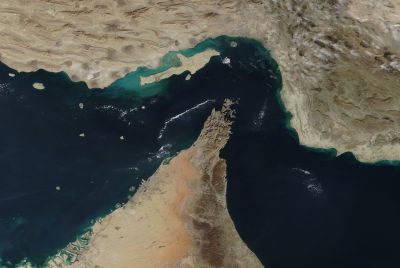
Key provisions include immediate termination of military operations, respect for sovereignty and commitments to refrain from interference in internal affairs. The agreement also addresses maritime security in the strategically vital Strait of Hormuz, a chokepoint for global oil shipments.
Under the terms, the U.S. will begin removing its naval blockade and impediments against Iran, with full lifting targeted within 30 days. Iran, in turn, will facilitate safe passage for commercial vessels through the strait during an initial 60-day period while addressing technical and military obstacles.
The memorandum commits both sides to negotiating a final deal within 60 days, extendable by mutual consent. It includes provisions for U.S. partners to develop a reconstruction and economic development plan for Iran valued at least $300 billion, with implementation mechanisms to be finalized as part of the comprehensive agreement.
Sanctions relief forms a central element. The U.S. undertakes to terminate various sanctions, including those from United Nations Security Council and International Atomic Energy Agency resolutions, according to an agreed schedule. Pending the final deal, the U.S. Treasury will issue waivers for Iranian oil exports and associated services.
On the nuclear front, Iran reaffirms it shall not procure or develop nuclear weapons. Both parties agreed to resolve the disposition of enriched material through a mutually agreed mechanism, with a minimum methodology involving on-site down-blending under IAEA supervision. Discussions on enrichment and other nuclear matters will continue based on a satisfactory framework.
The agreement maintains the status quo until the final deal, with Iran preserving its current nuclear program configuration and the U.S. refraining from new sanctions or additional regional force deployments. It also addresses access to frozen Iranian funds and assets.
An executive mechanism will monitor implementation and compliance. The final deal is expected to receive endorsement through a binding United Nations Security Council resolution.
The release comes amid ongoing regional sensitivities following recent military actions. The memorandum aims to de-escalate tensions while establishing a pathway for broader diplomatic engagement on Iran's nuclear ambitions and economic reintegration.
U.S. officials have emphasized the agreement's role in preventing further conflict while addressing proliferation concerns. Iranian counterparts have similarly highlighted commitments to sovereignty and sanctions relief as critical components.
Analysts view the memorandum as a pragmatic step toward stabilizing energy markets and reducing immediate risks in the Persian Gulf. However, significant challenges remain in negotiating the final deal, particularly around verification mechanisms for Iran's nuclear activities and the scope of sanctions relief.
The 60-day negotiating period will test both sides' willingness to compromise on longstanding disputes. Technical experts from both countries are expected to engage intensively on implementation details for the memorandum's various provisions.
Market reactions have been cautiously positive, with oil prices stabilizing amid assurances of secure maritime transit through the Strait of Hormuz. International partners have welcomed the transparency and framework for de-escalation.
Congressional oversight and domestic political considerations in both countries will influence the path forward. U.S. lawmakers have called for detailed briefings on the agreement's implications for regional security and nonproliferation efforts.
The memorandum represents a notable diplomatic development after months of heightened tensions. Its success will depend on sustained commitment during the implementation phase and the ability to bridge remaining gaps in the final negotiations.
© Copyright 2026 IBTimes AU. All rights reserved.
- Recommended For You