Strait of Hormuz Latest: Shipping Traffic Slowly Stirs as US and Iran Extend Pause for a Second Straight Day
Maritime traffic in the Strait of Hormuz shows early signs of recovery as US-Iran hostilities pause, but risks remain.

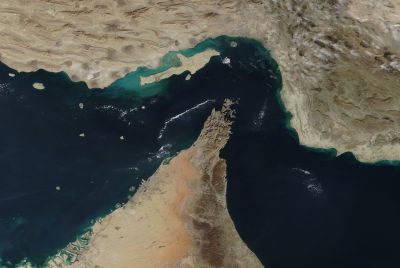
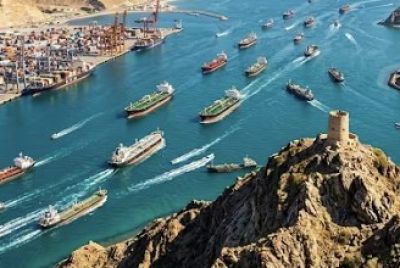
Maritime traffic through the Strait of Hormuz remained sharply reduced Tuesday, even as a weekend pause in hostilities between the United States and Iran entered its second day, offering the first tentative signs that one of the world's most critical oil chokepoints could begin returning to more normal operations.
A Pause That Followed Nearly Five Months of Conflict
Shipping traffic through the Strait of Hormuz has been largely blocked by Iran since Feb. 28, 2026, when the United States and Israel launched an air campaign against Iran and killed its supreme leader, Ali Khamenei. In retaliation, Iran launched missile and drone attacks on Israel, U.S. military bases in the region, and U.S.-allied Gulf states, while the Iranian Revolutionary Guard Corps issued warnings forbidding passage through the strait, boarded and attacked merchant ships, and laid sea mines in the waterway.
The resulting crisis has produced a global fuel disruption and led to a U.S.-led aerial campaign on Iranian targets along the strait, a U.S. naval blockade of Iran, and a U.S. naval escort operation, along with the formation of a new Persian Gulf Strait Authority. The toll from the conflict has included one tugboat sunk, at least 17 merchant ships damaged, two merchant ships captured, and 12 seafarers killed or missing, along with one port worker killed and two wounded in Bahrain.
Weekend Developments Offer a Fragile De-escalation
The most recent shift came over the weekend, when both sides agreed to hold off on further strikes. The United States and Iran paused their attacks after days of escalation, according to reporting published July 26. Separately, the Pentagon's official Iran war death toll no longer lists four troops killed during the renewed fighting, and airstrikes have paused as of the most recent update.
That pause followed weeks of intensifying attacks that had repeatedly tested the limits of an earlier diplomatic effort to keep the strait open. Despite a memorandum of understanding reached in June 2026 that sought to reopen the Strait of Hormuz and end the broader Iran war, Iran continued to assert control over the waterway and sought to eventually collect fees on ships passing through, repeatedly warning vessels to use preapproved routes and follow protocols set by the regime. Iran followed through on those warnings by firing on multiple ships, including three commercial vessels on July 6 and 7, activity that tested the limits of the memorandum and prompted a fresh round of U.S. attacks in response.
A Tanker Fire and Missile Strikes Earlier This Month
The most recent wave of direct attacks on shipping came earlier in July, underscoring how quickly the situation in the strait could still deteriorate even amid diplomatic progress. A tanker caught fire off the coast of Oman on the night of July 6 after being struck by an unknown projectile in the Strait of Hormuz, according to the United Kingdom Maritime Trade Operations. Separately, citing two unnamed U.S. officials, one news outlet reported that Iran's Islamic Revolutionary Guard Corps fired at least two missiles at commercial ships transiting the strait that same night, with two ships suffering significant damage though no casualties were reported.
Tanker Traffic Data Shows a Queue Building Near Iranian Terminals
Real-time maritime intelligence data from earlier this week offers a granular look at how vessels are positioning themselves around the strait as the pause holds. The tanker waiting area off Kharg Island grew to 24 vessels on July 26, up three from the previous day's 21, with three new arrivals including a 320-meter tanker and a pair of vessels measuring 226 meters and 211 meters. Meanwhile, the Eastern Oil Terminal and the LPG Terminal are both now empty after their berthed tankers departed, and the Western Oil Terminal remains empty as well, meaning all three Kharg Island terminals have now cleared. That pattern is consistent with a completed loading cycle moving tankers off station into a holding queue, rather than signaling any renewed slowdown in departures.
Broader Regional Risks Remain, Including the Red Sea
Even as attention has focused on the Strait of Hormuz specifically, maritime tracking data shows the broader region remains dangerous for commercial shipping. A Saudi Arabia-flagged oil products tanker was struck while sailing in the Red Sea on July 24 near the Yemeni border, sustaining minor hull damage before continuing to its destination with its crew reported safe, though the vessel had gone dark on tracking systems days earlier after leaving Yanbu and no formal attack claim had been issued as of the most recent update. A separate Saudi-flagged tanker was also attacked in the Red Sea on July 23, roughly 70 nautical miles southwest of Al Shuqaiq.
Iran's Earlier Claims About Keeping the Strait 'Open'
Iranian officials have periodically pushed back on characterizations of the strait as fully closed, even during periods of active conflict. Iranian Foreign Minister Abbas Araghchi said earlier this year that the strait remained technically operational for international shipping, while maintaining that vessels linked to the United States and Israel were not permitted to pass through the waterway. Araghchi argued that some shipping companies were choosing to avoid the area out of safety concerns rather than because of an outright blockade, even though hundreds of ships, including many flagged from India, remained stranded in the narrow sea lane at the time.
With the pause between the United States and Iran now extending into a second day, analysts and shipping companies are likely to watch closely for whether the loading and departure patterns observed around terminals like Kharg Island continue to normalize, or whether renewed attacks similar to those seen earlier in July once again disrupt traffic through the strait. Given the scale of damage and disruption recorded since the crisis began in late February, most maritime security analysts continue to caution that any recovery in shipping volumes through the Strait of Hormuz is likely to be gradual and highly sensitive to further developments in the fragile cease-fire between Washington and Tehran.
© Copyright 2026 IBTimes AU. All rights reserved.
- Recommended For You