Strait of Hormuz Shipping Faces Ongoing Restrictions Amid Regional Tensions Despite Ceasefire Efforts
Geopolitical Concerns and Security Challenges Continue to Affect Vital Oil Shipping Route

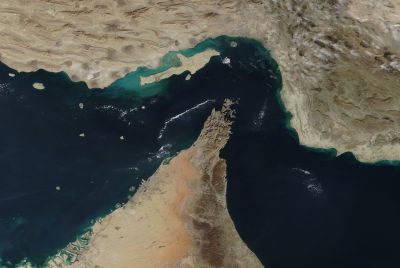
DUBAI — The Strait of Hormuz, a critical chokepoint for global oil shipments, continues experiencing restricted traffic and heightened tensions despite recent diplomatic initiatives aimed at restoring normal operations. The waterway, through which approximately 20 percent of global oil production typically flows, remains a focal point of geopolitical concerns involving Iran and international stakeholders.
Recent vessel tracking data indicates significantly reduced commercial traffic compared to pre-conflict levels. While some tankers have successfully transited the strait in recent days, overall throughput remains well below normal volumes. Maritime intelligence sources report ongoing challenges including minesweeping operations and security concerns that limit safe passage for commercial shipping.
Iran has periodically asserted control over navigation through the strait, citing various security and political considerations. State media reports have mentioned closures in response to perceived ceasefire violations in related regional conflicts. However, independent vessel tracking shows intermittent traffic despite official statements, highlighting the complex reality of maritime operations in contested waters.
The United States and Iran reached a framework agreement earlier in June aimed at addressing various issues including safe navigation through the strait. The memorandum of understanding included provisions for reopening commercial traffic following periods of restriction. However, implementation has faced challenges amid mutual accusations of non-compliance and ongoing regional tensions.
Shipping companies have adjusted routes and insurance coverage in response to the uncertain environment. Some vessels continue transiting while others await clearer security assurances or alternative pathways. The economic impact extends beyond immediate shipping costs to global energy prices and supply chain stability.
The strait's strategic importance stems from its geography and the volume of energy resources that pass through it daily. Tankers carrying crude oil from Persian Gulf producers must navigate its narrow passages, making it vulnerable to disruption from various actors. Historical incidents have demonstrated how tensions can quickly affect global markets.
International naval forces maintain presence in the region to ensure freedom of navigation. Coalition efforts focus on demining operations and escorting commercial vessels when necessary. Diplomatic channels continue addressing underlying issues that contribute to instability in the waterway.
Regional stakeholders have expressed varying perspectives on the strait's status. Iranian officials have emphasized sovereignty and security concerns while international partners stress the importance of unrestricted commercial access. These differing viewpoints complicate efforts to establish stable operating conditions.
Oil market participants monitor the strait closely as disruptions can quickly influence prices and supply expectations. Energy traders factor potential volatility into risk assessments while consumers ultimately bear costs through higher fuel prices during periods of uncertainty. Alternative shipping routes exist but add significant time and expense to oil transportation.
The recent ceasefire framework between the United States and Iran included provisions specifically addressing the strait. Implementation challenges have emerged as both sides accuse the other of violations in related regional conflicts. Switzerland-mediated talks continue addressing safe navigation alongside other outstanding issues.
Maritime security firms have reported increased activity in risk assessment and insurance products related to the strait. Ship operators implement enhanced protocols including adjusted routing and crew briefings when transiting the area. These measures add operational complexity and costs to normal shipping activities.
Environmental considerations have gained prominence as maritime incidents in the region could have severe ecological consequences. Oil spills from damaged tankers would threaten marine ecosystems and coastal communities. International cooperation on environmental protection remains important alongside security concerns.
The strait's situation reflects broader geopolitical dynamics involving energy security and regional influence. Major powers maintain interests in ensuring stable energy flows while addressing political differences. Diplomatic efforts focus on de-escalation while maintaining deterrence against provocative actions.
Shipping data providers continue updating real-time information about vessel movements and strait conditions. These services help operators make informed decisions about routing and timing. Independent verification of official statements remains crucial for accurate risk assessment.
As diplomatic talks progress, shipping companies hope for clearer operational guidelines and reduced restrictions. Full restoration of normal traffic volumes would benefit global energy markets and reduce costs for consumers. However, underlying political tensions suggest ongoing vigilance will remain necessary.
The international community continues emphasizing the importance of freedom of navigation through international waterways. The Strait of Hormuz's status affects not only energy prices but also global trade patterns and economic stability. Coordinated efforts aim to balance security concerns with commercial needs.
Regional actors have proposed various confidence-building measures to improve conditions in the strait. These include communication protocols, incident prevention mechanisms and joint monitoring arrangements. Implementation would require sustained diplomatic commitment from all parties.
The situation in the Strait of Hormuz serves as a reminder of energy security's geopolitical dimensions. While diplomatic solutions are pursued, practical measures ensure continued commercial operations under challenging conditions. Global markets adapt while hoping for lasting stability.
© Copyright 2026 IBTimes AU. All rights reserved.
- Recommended For You