Gold Prices Rise 0.58% to $4,379.50 as Safe-Haven Demand Persists Amid Economic Uncertainty
Gold's Appeal Strengthens with Central Bank Support and Market Volatility
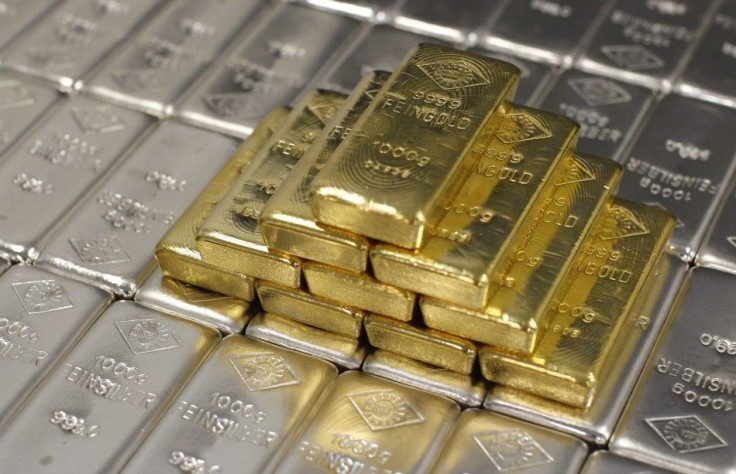
Gold prices climbed Wednesday, with spot gold reaching $4,379.50 per ounce, up $25.10 or 0.58 percent, as investors sought refuge in the precious metal amid ongoing geopolitical tensions, inflation concerns and uncertainty around Federal Reserve policy.
The gain follows a period of volatility in 2026, during which gold hit record highs above $5,500 per ounce earlier in the year before pulling back sharply. Wednesday's advance reflects renewed safe-haven buying as markets digest mixed economic signals and potential shifts in monetary policy under the new Fed leadership.
Gold has served as a traditional hedge against inflation, currency fluctuations and geopolitical risks. Central bank purchases have provided strong structural support, with many institutions continuing to diversify reserves away from traditional holdings. Emerging market buyers in particular have driven demand, contributing to sustained interest even after the early-year peak.
Market Drivers and Recent Performance
Analysts attribute the latest uptick to several factors. Expectations around the Federal Reserve's June meeting, chaired by Kevin Warsh, have kept markets cautious. Stronger-than-expected U.S. jobs data in recent weeks have tempered hopes for imminent rate cuts, boosting the dollar at times but also highlighting persistent inflation risks that favor gold.
Geopolitical developments, including Middle East dynamics and broader global tensions, have reinforced gold's appeal. Investors view the metal as a reliable store of value when traditional assets face pressure. Central banks worldwide have signaled continued accumulation, with surveys showing record intent to increase gold reserves.
Year-to-date, gold has experienced significant swings. After surging to all-time highs in January, prices corrected by more than 20 percent at points, testing support levels near $4,100-$4,300. The current level around $4,379 represents a partial recovery, with analysts watching for sustained momentum above key technical thresholds.
Silver prices also moved higher in tandem, reflecting broader precious metals demand. Industrial uses for silver in electronics and renewable energy sectors have complemented investment flows.
Central Bank Role and Long-Term Outlook
Central bank buying remains a dominant theme. The World Gold Council and other reports indicate robust demand from institutions seeking diversification. Projections from major banks like J.P. Morgan suggest gold could push toward $6,000 per ounce by year-end under supportive scenarios involving persistent inflation and geopolitical risks.
This outlook aligns with broader forecasts. Goldman Sachs and others anticipate continued upward pressure into 2026 and beyond, driven by structural shifts in global reserves and investor portfolios. However, near-term volatility persists, with some analysts warning of potential consolidation if U.S. economic data strengthens further.
Physical demand in major markets like India and China has shown resilience, though seasonal factors and price sensitivity influence retail buying patterns. Exchange-traded funds tracking gold have seen mixed flows, with some outflows during the correction phase followed by renewed interest.
Investment Implications
For investors, gold offers portfolio diversification benefits. Its low correlation with stocks and bonds makes it attractive during periods of market stress. Financial advisors often recommend allocations of 5-10 percent in precious metals as a hedge, particularly for those concerned about long-term inflation or currency devaluation.
Retail investors can access gold through physical bullion, coins, ETFs or mining stocks. Recent price action has drawn attention from both long-term holders and tactical traders. Options and futures markets show active positioning around current levels.
Challenges include opportunity costs when interest rates remain elevated, as non-yielding gold competes with interest-bearing assets. Storage and insurance costs for physical holdings also factor into decisions. Despite these, many view current valuations as reasonable following the pullback from peaks.
Broader Economic Context
Gold's performance intersects with several macroeconomic trends. Government debt levels globally have risen, prompting some investors to favor hard assets. Currency dynamics, including periods of dollar weakness, have historically supported higher gold prices.
Inflation readings remain a focal point. Recent CPI data has shown stickiness above targets in some categories, reinforcing gold's role as an inflation hedge. Meanwhile, fiscal policy debates and potential stimulus measures could further influence investor sentiment.
The mining sector has responded to price movements, with producers benefiting from higher realizations while managing cost pressures. Exploration and development projects continue, though regulatory and environmental considerations add complexity.
Technical Outlook
From a charting perspective, gold has found support in the $4,300 area after testing lower levels. Resistance sits near recent highs around $4,500-$4,600. Analysts monitor moving averages and key Fibonacci retracement levels for clues on next moves. A break above $4,500 could signal renewed bullish momentum, while a drop below $4,300 might test lower supports.
Volume and open interest in futures contracts provide additional insights. Wednesday's trading showed solid participation, consistent with ongoing interest in the metal.
Risks and Considerations
While the long-term case for gold remains constructive for many, risks abound. Stronger U.S. growth could support the dollar and pressure gold. Faster disinflation might accelerate rate cut expectations in ways that temporarily weigh on the metal. Geopolitical de-escalation could also reduce safe-haven flows.
Investors are advised to maintain diversified approaches and avoid over-concentration. Dollar-cost averaging into positions can help manage volatility. Professional guidance is recommended for those new to commodity investments.
As markets evolve, gold's role as a strategic asset endures. Wednesday's modest gain to $4,379.50 underscores its resilience even after a corrective phase. With central bank support and macroeconomic uncertainties in play, the metal is likely to remain in focus for investors seeking stability in an unpredictable global environment.
Looking ahead, key events such as further Fed communications, inflation reports and international developments will shape price direction. For now, the yellow metal continues to attract attention as both a tactical trade and a long-term holding in uncertain times.
© Copyright 2026 IBTimes AU. All rights reserved.
- Recommended For You