Gold Prices Slide 2.73% to $4,654.86 as Stronger Dollar and Rising Yields Pressure Safe-Haven Metal
Gold prices fell sharply Friday, with spot gold trading at $4,654.86 per ounce, down $130.53 or 2.73%, as a firmer U.S. dollar and rising Treasury yields weighed on the non-yielding precious metal amid shifting market sentiment.
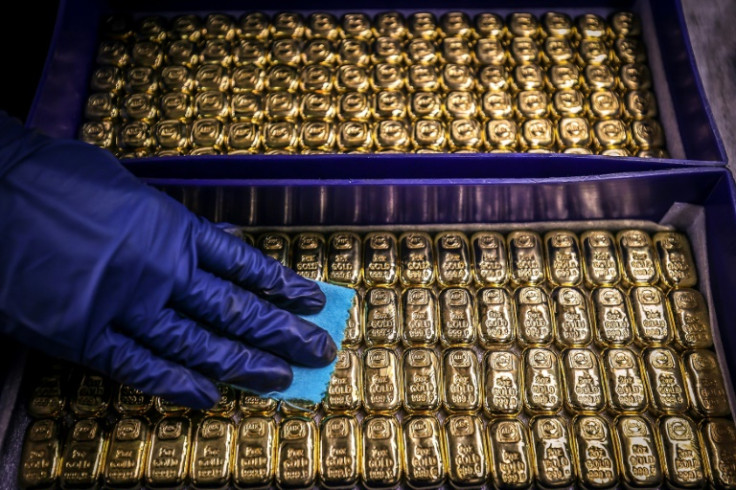
The decline came after gold touched elevated levels earlier in the week, reflecting ongoing volatility in the yellow metal following a dramatic rally in 2025 and early 2026 that pushed prices above $5,000 and even toward $5,600 at peaks. Friday's move extended recent pressure, with April gold futures also trading lower in mid-morning sessions on the COMEX.
Analysts attributed the drop primarily to a strengthening dollar and higher bond yields, which increase the opportunity cost of holding gold. The U.S. Dollar Index gained ground as traders adjusted expectations for Federal Reserve policy, while 10-year Treasury yields climbed on persistent inflation concerns tied to geopolitical tensions and energy prices.
The pullback occurs against a backdrop of significant gains for gold over the longer term. The metal surged in 2025 amid central bank buying, ETF inflows and uncertainty from trade policies and global risks. In early 2026, prices hit record highs before experiencing sharp corrections, including a steep drop in March that some described as the worst monthly performance in years.
Despite Friday's losses, many Wall Street firms remain bullish on gold's outlook. J.P. Morgan forecasts prices could reach $6,300 per ounce by the end of 2026, driven by sustained central bank demand and investor diversification away from traditional assets. Goldman Sachs sees potential for $5,400, while other banks like UBS and Deutsche Bank project targets around $6,000 or higher in various scenarios.
Central banks continued to accumulate gold as a reserve asset, a trend that has supported prices even during periods of consolidation. Demand from emerging markets and efforts to reduce reliance on the U.S. dollar in international reserves have played key roles. ETF holdings also showed resilience, with inflows reflecting gold's appeal as portfolio insurance.
Geopolitical factors added layers of complexity. Ongoing tensions in the Middle East, including developments involving Iran, initially boosted gold as a safe haven but later contributed to volatility as markets priced in potential inflation from higher oil prices alongside stronger dollar dynamics.
"Gold's recent correction reflects mechanical selling and profit-taking after an extraordinary run, but the structural drivers remain intact," one commodities strategist noted. Rising oil prices from regional uncertainties have fueled inflation fears, which could eventually support gold if they prompt looser monetary policy down the line.
Technical levels showed gold finding some support near $4,600, with resistance around recent highs above $4,700. Futures contracts for April delivery reflected similar moves, with open interest and volume indicating active trader participation.
For investors, the current dip raises questions about whether it represents a buying opportunity or signals further consolidation. Historical patterns suggest gold often rebounds after sharp sell-offs when fundamental demand reasserts itself. However, short-term headwinds from a resilient U.S. economy and delayed rate cuts could keep pressure on prices in the near term.
Silver prices moved in tandem, dropping more sharply in percentage terms on Friday, underscoring broad precious metals weakness. Platinum and palladium showed mixed but generally softer performance.
Retail investors have increasingly turned to gold through exchange-traded funds, physical bars and coins, and mining stocks. The SPDR Gold Shares ETF and similar vehicles saw flows that mirrored broader sentiment shifts.
Economists point to several macroeconomic drivers. A stronger dollar makes gold more expensive for foreign buyers, reducing demand. Higher real yields similarly diminish appeal compared to interest-bearing assets. Yet persistent fiscal deficits, debt levels and long-term diversification trends by institutions continue to underpin the bull case.
In Asia, where physical gold demand is traditionally strong for jewelry and investment, buyers have shown selectivity amid price swings. Chinese and Indian markets, major consumers, have navigated volatility with a mix of bargain hunting and caution.
Mining companies face their own dynamics. Higher prices in recent years boosted profitability, but cost pressures from energy and labor could intensify if volatility persists. Major producers have hedged positions or expanded output selectively.
Looking ahead, key events include upcoming economic data releases that could influence Fed expectations. Any signs of cooling inflation or labor market softening might revive rate-cut hopes and support gold. Conversely, hotter-than-expected readings could reinforce dollar strength.
Analysts emphasize that gold's role as a hedge against uncertainty has not diminished. In an environment of elevated geopolitical risks, potential policy shifts and questions over reserve currencies, the metal retains strategic importance for central banks and sophisticated investors.
Some observers warn of leveraged positions unwinding during the recent rout, amplifying moves beyond pure fundamentals. Such liquidations can create oversold conditions that set the stage for rebounds.
For everyday investors, financial advisors often recommend allocating a modest portion of portfolios — typically 5-10% — to gold as diversification rather than a directional bet. Physical ownership, ETFs or futures each carry different considerations around storage, liquidity and costs.
The broader commodity complex showed varied responses Friday, with energy markets reacting to supply concerns while industrial metals faced demand worries from global growth outlooks.
Gold's journey to current levels marks a transformation from its traditional trading range. What was once seen as a relic has become a mainstream asset class, with institutional adoption growing through vehicles that provide exposure without physical handling.
Despite the Friday decline, year-to-date performance for gold in 2026 remains positive for many holders who bought at lower levels. The metal's ability to deliver returns uncorrelated with stocks and bonds continues to attract attention in diversified strategies.
Market participants will watch next week's calendar closely for any fresh catalysts. Earnings from major financial firms, inflation metrics and comments from policymakers could sway sentiment.
In jewelry and industrial applications, gold demand has held steady in certain segments, though high prices have prompted some substitution or delayed purchases.
As trading continues, volatility is likely to remain elevated. Traders using technical analysis are monitoring moving averages and support zones for clues on the next leg.
Overall, while near-term pressures from currency and yield dynamics have driven gold lower to around $4,654.86, the consensus among major banks points to higher prices by year-end 2026. Central bank accumulation averaging hundreds of tonnes quarterly, combined with investor flows and potential monetary easing, forms the foundation for optimism.
Investors considering entry points may view the current consolidation as a pause in a longer-term uptrend rather than a reversal. However, prudence dictates monitoring dollar strength and yield movements closely.
Gold has proven resilient through multiple cycles, often rewarding patient holders during periods of economic or geopolitical stress. Friday's 2.73% drop serves as a reminder of the metal's volatility even as its strategic value endures.
© Copyright 2026 IBTimes AU. All rights reserved.
- Recommended For You