Gold Prices Ease 0.25% to $4,352.50 as Equity Rally and Stronger Dollar Curb Safe-Haven Buying
Gold futures decline as investor sentiment shifts with stock market gains and a firmer US dollar.

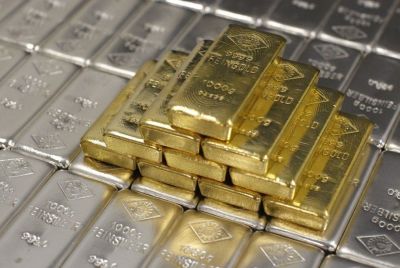
NEW YORK — Gold futures declined 0.25% on Tuesday, settling at $4,352.50 per ounce as a rebound in global stock markets and a firmer U.S. dollar reduced demand for the precious metal as a safe-haven asset, even as broader economic uncertainties and geopolitical undercurrents provided some underlying support.
The modest pullback reflected shifting investor sentiment after recent strong gains for gold, which had climbed to record territory earlier in the year amid central bank buying, inflation hedging and geopolitical risks. Tuesday's decline came as major U.S. equity indices posted solid advances, with the Nasdaq rising over 1%, the Dow gaining nearly 390 points and small-cap stocks in the Russell 2000 climbing more than 2%.
A stronger dollar weighed on gold, which is priced in the U.S. currency and becomes more expensive for foreign buyers when the greenback appreciates. The dollar index rose modestly as traders assessed upcoming inflation data and Federal Reserve policy signals. Lower bond yields also played a role, with real interest rates remaining a key driver for gold pricing.
Market participants noted that while immediate safe-haven flows eased, structural demand for gold remains robust. Central banks, particularly in emerging markets, have continued adding to reserves as a diversification strategy away from traditional currencies. Industrial demand for gold in electronics and other sectors has also provided a floor.
The session's price action followed a period of elevated volatility in commodities. Gold had benefited earlier from concerns over Middle East tensions and potential supply disruptions, but signs of diplomatic progress helped calm those fears, allowing investors to rotate back into riskier assets like equities and certain industrial metals.
Analysts highlighted the interplay between gold and broader financial markets. When equities rally on growth optimism — particularly around artificial intelligence and technology infrastructure — capital tends to flow away from non-yielding assets like bullion. Tuesday's move exemplified that dynamic, with improving risk appetite across sectors reducing the appeal of defensive holdings.
Looking ahead, investors will closely watch the consumer price index release for clues on inflation trends. Cooler-than-expected readings could reinforce expectations for eventual monetary easing, which would typically support gold by lowering opportunity costs. Conversely, persistent inflation might keep real yields elevated and pressure prices in the short term.
Gold's performance in 2026 has been notable despite periodic corrections. The metal has benefited from a complex mix of factors including geopolitical instability, central bank diversification, and its role as an inflation hedge amid uncertain fiscal policies. Year-to-date gains remain substantial even after Tuesday's modest retreat.
Comex gold futures traded in a relatively narrow range during the session, with technical support evident around recent moving averages. Trading volume was moderate, suggesting the decline was driven more by profit-taking and rotation than outright bearish conviction. Spot prices followed a similar path, with dealers reporting steady physical demand from jewelry and investment buyers in Asia.
The broader precious metals complex showed mixed results. Silver eased alongside gold, while platinum and palladium displayed greater volatility tied to industrial demand forecasts. Copper and other base metals gained on optimism about global manufacturing recovery and infrastructure spending.
Geopolitical developments continued to influence sentiment. Reduced immediate risks in the Middle East helped stabilize oil prices, which in turn supported a risk-on environment across commodities. However, longer-term uncertainties around trade policies, elections and regional conflicts keep gold's safe-haven premium intact for many portfolio managers.
Institutional investors have maintained significant allocations to gold through exchange-traded funds and futures positions. While some profit-taking occurred on the rally, overall holdings remain elevated compared to historical averages. Central bank purchases, led by nations seeking to reduce dollar dependence, have provided consistent buying pressure throughout the year.
For retail investors, gold continues to serve as a diversification tool within balanced portfolios. Financial advisers often recommend a modest allocation — typically 5-10% — to hedge against inflation, currency fluctuations and equity market corrections. Tuesday's price dip may present an entry opportunity for those seeking exposure, though timing remains challenging given the metal's sensitivity to macroeconomic shifts.
Mining companies with significant gold production saw shares trade mixed. Some benefited from lower input costs and stable operations, while others faced pressure from the spot price decline. The sector as a whole has delivered strong returns in 2026, supported by higher realized prices and operational efficiencies.
As the trading week progresses, attention will turn to additional economic data points and Federal Reserve communications. Any hints of policy flexibility could reignite buying interest in gold, while stronger growth signals might sustain the current rotation into equities.
The modest decline to $4,352.50 reflects normal market fluctuations rather than a fundamental shift in gold's long-term outlook. Structural drivers including central bank demand, geopolitical risks and its monetary role as an alternative asset continue to underpin the metal's value proposition in an uncertain global environment.
Commodity strategists expect gold to remain range-bound in the near term while monitoring key resistance and support levels. A break above recent highs would signal renewed safe-haven flows, whereas sustained weakness below important technical thresholds could invite further profit-taking.
Tuesday's trading underscores gold's dual nature as both a safe-haven asset and a financial instrument influenced by opportunity costs and risk sentiment. As markets digest the latest economic signals, the metal's path will likely hinge on the evolving balance between growth optimism and lingering uncertainties.
Investors are advised to maintain a long-term perspective on gold allocations, recognizing its role in portfolio construction rather than chasing short-term price movements. With multiple crosscurrents at play, disciplined risk management remains essential in the current environment.
© Copyright 2026 IBTimes AU. All rights reserved.
- Recommended For You