Hormuz Oil Traffic Surges After Ceasefire, but Iran's New Permit Rules Spark Industry Pushback
Gulf producers ramp up exports as Iran imposes new conditions on vital waterway

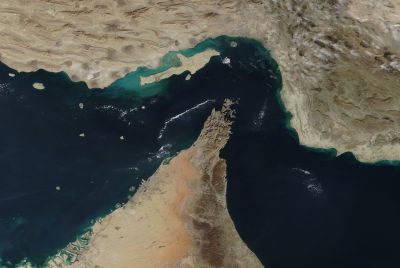
MUSCAT — Oil shipments through the Strait of Hormuz picked up sharply on Friday after the United States and Iran signed a ceasefire deal, with Gulf producers preparing to raise exports despite mounting concerns over new conditions Tehran is attempting to impose on vessels using the vital waterway.
A Sharp Jump in Traffic, but Still Well Below Normal
The numbers point to a meaningful, if partial, recovery in shipping activity through one of the world's most critical energy chokepoints. There were 25 commercial crossings through Hormuz on June 18 — the highest single-day count since April 18 and more than five times the average daily level of the first 10 days of June, according to AXS Marine data. Traffic remains well below the pre-conflict level of about 120 daily crossings, underscoring how much ground shipping activity still has to recover even with the ceasefire now formally in place.
The Ceasefire Agreement and Trump's Warning
Washington and Tehran released the text of an interim agreement signed on Wednesday to end the conflict, although President Donald Trump warned he could resume attacks and target Iranian officials if commitments are not honored — a caveat that underscores just how conditional the current de-escalation remains.
Tankers Returning to the Strait
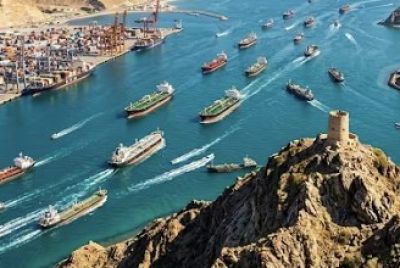
The practical effects of the ceasefire were visible almost immediately on the water. At least four tankers carrying crude, oil products, and liquefied petroleum gas entered the strait on Friday, heading for Iraqi Gulf ports, according to MarineTraffic data. A Japanese-owned crude tanker exited the strait after being delayed by the war and was bound for Japan.
India's energy supply chain also showed signs of normalizing. Indian-flagged crude supertankers Desh Vibhor and Desh Vaibhav had commenced voyages through the strait to India after days of disruption.
In another notable shift, vessels have resumed normal tracking behavior after weeks of operating in the shadows to avoid detection during the conflict. Ships resumed broadcasting positions as they transited Hormuz, after weeks of concealing movements by switching off transponders.
Gulf Producers Move Quickly to Ramp Up Output
With the waterway reopening, major regional oil producers wasted little time signaling their intent to capitalize on the improved conditions. Kuwait Petroleum Corp is offering crude for July delivery via a tender, after lifting force majeure and announcing plans to ramp up output, while Abu Dhabi National Oil Company issued its fourth tender this month.
The U.S. Lifts Its Blockade, but Mine Risks Remain
The United States formally lifted its blockade of Iranian ports on Thursday, though officials cautioned that physical hazards from the conflict have not been fully cleared from the water. "Mariners should be advised of the existence of mines and expect naval presence as clearance operations continue," the U.S. Navy-led Joint Maritime Information Centre said late on Thursday. The center advised vessels to avoid the Traffic Separation Scheme because of mine risks — a designated routing system through Iranian and Omani waters that was originally adopted by the United Nations shipping agency in 1968.
A Persistent Risk of Renewed Conflict
Despite the visible signs of normalization, shipping industry analysts continue to flag the underlying fragility of the current arrangement. "Risks range from the danger of mines ... to that of getting stuck in the Mideast Gulf should tempers flare and Iran block Hormuz once again," ship broker Braemar said in a note. The same analysis flagged a specific financial provision buried within the agreement that could shape how the waterway operates going forward: "The deal ... opens the possibility for Iran to charge fees to manage Hormuz transits after 60 days."
Iran Asserts New Control Over Transit
In the days following the ceasefire, Iran has moved to assert a more active role in regulating traffic through the strait — a development that has alarmed the broader shipping industry. Iran signalled tighter control over shipping, with state TV reporting that vessels must coordinate transit with the Revolutionary Guards navy.
That tightened posture has already manifested in specific incidents on the water. British maritime security firm Ambrey said Iranian forces ordered a Hong Kong-flagged tanker and a Saint Kitts and Nevis-flagged bulk carrier to turn back on Thursday.
A New Permit System Drawing Industry Objections
The most contentious development has been the emergence of a formal Iranian permitting regime for vessels seeking to use the strait. In an undated advisory circulated to the maritime industry in the last 24 hours and seen by Reuters, Iran's Persian Gulf Strait Authority said "no vessel is permitted to pass through the Strait of Hormuz without a valid passage permit issued by the PGSA." The PGSA, which describes itself as the sole body authorized to issue permits, also said it reserves the right to introduce insurance fees, requiring ship-owners to obtain and renew coverage.
That assertion of authority has met firm resistance from the global shipping community. The shipping industry has rejected any fee or toll system being imposed on what they say is an international waterway — a dispute that could become a significant flashpoint in the weeks ahead as the practical mechanics of the ceasefire continue to take shape.
Iranian Oil Already Flowing Toward Asia
Beyond the disputes over transit permits, monitoring groups have documented a substantial volume of Iranian crude already moving toward buyers in Asia in the wake of the ceasefire. A flotilla of 10 laden Iranian-flagged supertankers carrying close to 20 million barrels of oil were sailing from Iran's Chabahar anchorage in the Gulf of Oman and heading to Asia for likely teapot refineries in China, according to analysis from U.S. advocacy group United Against Nuclear Iran, which monitors Iran-related tanker traffic.
A senior adviser at the organization suggested the easing of sanctions enforcement has removed a key obstacle that had previously complicated such shipments. "There is apparently no longer the hot potato issue of unilateral American sanctions," UANI senior adviser Charlie Brown said.
What Comes Next
With traffic through Hormuz still running at a fraction of pre-conflict levels and Iran's new permitting and insurance-fee regime drawing immediate pushback from the global shipping industry, the path toward a fully normalized waterway remains uncertain. The 60-day window referenced in the ceasefire agreement, after which Iran may be permitted to formally charge transit fees, looms as a significant near-term test of how durable the current arrangement proves to be — particularly if shipping companies continue refusing to recognize Tehran's claimed authority over what they maintain is an international passage. In the meantime, the presence of mines still being cleared from the strait, combined with Iran's documented willingness to turn back vessels it deems noncompliant, leaves the recovery in oil shipments through one of the world's most strategically vital chokepoints on still-uncertain footing.
© Copyright 2026 IBTimes AU. All rights reserved.
- Recommended For You