Elon Musk Highlights Zoroastrian Roots of Strait of Hormuz Name
Musk's comment on the Strait of Hormuz connects modern geopolitics with ancient Persian heritage.

NEW YORK — Elon Musk drew attention to the ancient Persian origins of the Strait of Hormuz on Monday, noting its connection to Ahura Mazda, the supreme deity in Zoroastrianism, in a post that quickly sparked widespread discussion about Iranian history and cultural heritage.
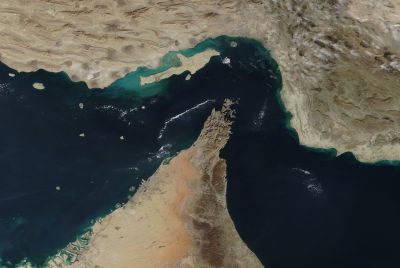
The tech executive and owner of X posted: "Straits of Hormuz are named after Ahura Mazda from Zoroastrianism." The comment, which received significant engagement, highlighted the pre-Islamic roots of the strategically vital waterway that connects the Persian Gulf to the Gulf of Oman and serves as a critical chokepoint for global oil shipments.
Straits of Hormuz are named after Ahura Mazda from Zoroastrianism
— Elon Musk (@elonmusk) June 8, 2026
The Strait of Hormuz has long been a focal point in geopolitics due to its role in transporting approximately 20% of the world's seaborne petroleum. Musk's reference to its etymology underscores the region's deep historical and cultural layers that predate its current geopolitical significance. Ahura Mazda, meaning "Wise Lord," represents the central figure in Zoroastrianism, one of the world's oldest monotheistic religions that originated in ancient Persia.
Musk's post resonated with users interested in Iranian history, with many responding by sharing additional context about Persian heritage and the influence of Zoroastrianism. Several replies emphasized that Iran's cultural identity extends far beyond its modern political boundaries, with users noting the ancient kingdom and linguistic connections tied to the name Hormuz.
The Strait takes its name from the historical region and port city of Hormuz (also spelled Ormuz), which itself derives from Middle Persian "Hormazd" or "Ohrmazd," a variation of Ahura Mazda. Ancient Persian kingdoms and trade routes in the area long predated Islamic conquests, with Zoroastrianism serving as the dominant religion for centuries.
Discussions following Musk's comment touched on broader themes of cultural preservation and historical identity. Some users pointed to linguistic shifts over time, with Persian names and terms evolving or being adapted through different eras of rule. Others used the moment to reflect on Iran's pre-Islamic heritage, describing Zoroastrianism as a foundational element of Persian civilization known for its emphasis on good thoughts, good words and good deeds.
The post comes amid ongoing global attention on the Strait of Hormuz due to its strategic importance. Any disruption in the waterway can have significant effects on energy markets, as evidenced by previous incidents that caused spikes in oil prices. Musk's observation added a cultural and historical dimension to conversations that are often dominated by security and economic considerations.
Musk has frequently engaged with topics related to history, technology and civilization on his platform. His interest in ancient cultures and long-term civilizational trends aligns with his public commentary on humanity's future, space exploration and sustainable energy.
For many observers, the comment served as a reminder of the deep historical roots underlying modern geopolitical flashpoints. The Strait of Hormuz region has been a center of trade and cultural exchange for millennia, with influences from Persian, Arab, Indian and other civilizations shaping its development.
Zoroastrianism, founded by the prophet Zoroaster (also known as Zarathustra), emphasized ethical dualism between good and evil, with Ahura Mazda representing wisdom and order. The religion influenced later monotheistic faiths and left a lasting imprint on Persian culture, language and traditions even after the spread of Islam.
In contemporary Iran, small Zoroastrian communities continue to practice their faith, preserving rituals and texts that connect directly to ancient Persian heritage. Musk's reference brought renewed visibility to these historical connections at a time when the region remains in the international spotlight.
The response to the post included a mix of educational comments, personal reflections and political viewpoints. Some users expressed appreciation for highlighting pre-Islamic Persian history, while others engaged in debates about cultural identity and historical narratives. The discussion illustrated how a single historical fact can spark broader conversations about heritage, politics and identity.
Musk's platform continues to serve as a space for wide-ranging topics, from technology and business to history and culture. His willingness to share observations on diverse subjects often generates significant engagement and draws in users from around the world.
As global energy markets monitor developments around the Strait of Hormuz, Musk's comment added a layer of historical context to ongoing discussions about the waterway's importance. The ancient name's connection to Zoroastrianism serves as a reminder of the region's rich multicultural past that continues to influence its present significance.
The episode highlights how digital platforms can surface historical facts and spark public interest in topics that might otherwise remain in academic circles. For many, Musk's post provided an accessible entry point to learning more about Persian civilization and its contributions to world history.
While the Strait of Hormuz remains a critical economic and strategic asset in the 21st century, its name carries echoes of much older civilizations and belief systems. Musk's observation bridged ancient history with contemporary relevance, demonstrating how cultural heritage continues to shape perceptions of important global locations.
As discussions continue online, the post serves as another example of how brief comments on historical facts can generate widespread interest and reflection on deeper civilizational themes. For those exploring the topic further, resources on Zoroastrianism and ancient Persian history provide rich context for understanding the enduring legacy embedded in the name of this vital maritime passage.
© Copyright 2026 IBTimes AU. All rights reserved.
- Recommended For You