

Senate Democrats Block $1 Trillion Defense Bill in Protest Over Trump's Handling of Iran War
Partisan disputes over Pentagon funding and Iran conflict oversight stall annual defense policy bill
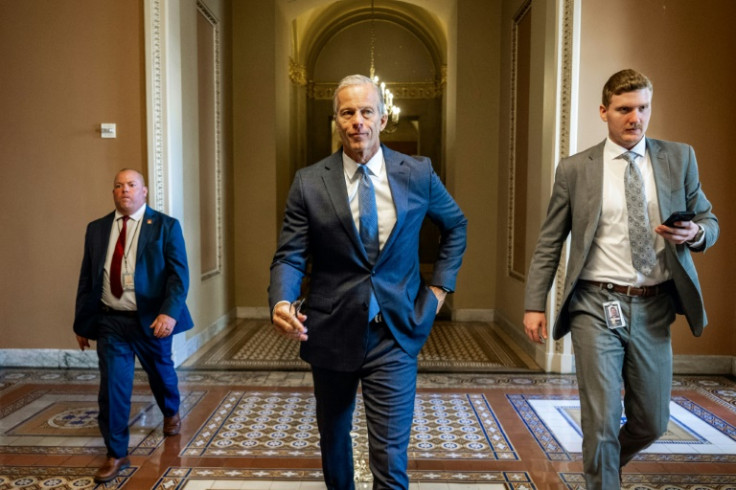
WASHINGTON — Senate Democrats on Tuesday blocked a sprawling annual defense policy bill that would authorize more than $1 trillion in Pentagon spending, including a pay raise for troops, as they protested President Donald Trump's military actions in Iran and what they described as a lack of congressional oversight in the conflict now entering its fifth month.
The procedural vote on the National Defense Authorization Act failed 50-46, short of the 60 votes needed to advance in the 100-member chamber. The measure, typically a bipartisan priority known as the NDAA, has become entangled in partisan disputes over funding levels and the administration's approach to the Iran conflict.
Senate Democratic Leader Chuck Schumer of New York led the opposition, announcing that Democrats could not support the legislation amid ongoing hostilities. "The NDAA cannot become a permission slip for that recklessness that we see occurring in Iran," Schumer said ahead of the vote. He added, "Donald Trump does not get to drag the American people deeper into a war he cannot explain and does not know how to end — and then demand that Congress look the other way."
The vote came one day after the White House notified Congress that it had resumed bombing strikes against Iran, disrupting a fragile ceasefire in the U.S.- and Israel-led operations that began earlier this year. The conflict has contributed to regional instability, disruptions in energy markets and higher gas prices heading into midterm elections.
Republicans, who hold the Senate majority, pushed to advance the bill, arguing it provides essential resources for the military regardless of specific missions. Senate Majority Leader John Thune of South Dakota described it as a good package and urged colleagues to support funding to keep U.S. forces prepared. After the failure, Thune switched his vote in a procedural step allowing him to bring the measure back up later.
The annual defense bill sets policy priorities and authorizes spending levels that are later appropriated. This year's version, the 66th such measure, sought substantial increases in Pentagon funding aligned with the administration's requests, pushing toward $1.5 trillion in overall defense-related spending compared to roughly $900 billion previously. It included pay raises for service members and investments in modernization.
Democrats have repeatedly sought to constrain the administration's actions through war powers resolutions, with more than 10 attempts in recent months. Most have failed due to Republican opposition and procedural hurdles. The latest NDAA blockage reflects broader frustration that approving large Pentagon budgets could be interpreted as implicit approval of the war effort, which began with U.S. and Israeli strikes in late February.
The Trump administration has maintained that initial phases of hostilities concluded, only for strikes to resume recently. Lawmakers from both parties have pressed for more details on strategy, costs and exit plans. Sen. Tammy Duckworth, D-Ill., a combat veteran, indicated she would oppose the bill without stronger limits, calling unchecked funding "a recipe for a forever war."
Republicans countered that the legislation supports troops on the ground and addresses broader national security needs, including modernization under Defense Secretary Pete Hegseth. The department has faced criticism over audits and transparency, with some senators tying support to greater reporting requirements on matters such as a school strike early in the conflict.
House Republicans are separately considering additional funding through budget reconciliation, a process that bypasses the 60-vote Senate threshold. The White House has sought hundreds of billions more, though final figures remain under negotiation amid concerns from deficit-conscious GOP members. Earlier supplemental requests for Iran-related operations totaled around $87 billion in one recent proposal.
The standoff highlights deepening divisions in Washington over the Iran conflict. Economic ripple effects, including volatile energy prices tied to tensions around the Strait of Hormuz, have heightened public and political scrutiny. The U.S. military death toll in the operations has reached at least 14, according to reports, including a recent Navy pilot incident.
For decades, the NDAA passed with strong bipartisan backing, serving as must-pass legislation that avoided shutdown risks and provided certainty for defense programs. This year's impasse marks a notable departure, driven by foreign policy disagreements and spending disputes.
Democrats on the Senate Armed Services Committee had already signaled resistance during markup, with several voting against advancing the bill out of committee. Broader concerns include the administration's use of force without explicit congressional authorization, in line with interpretations of the 1973 War Powers Resolution that limits unauthorized engagements.
Sen. Chris Murphy, D-Conn., described the bill as effectively functioning as war funding authorization at a time when many Americans oppose deeper involvement. Other Democrats, including Sen. Richard Blumenthal of Connecticut, viewed the NDAA debate as a de facto referendum on the conflict.
The administration has defended its actions as necessary to counter threats from Iran, pointing to reported attacks on shipping and regional instability. Trump has faced criticism for shifting rationales and lack of a clear endgame, even as some Republicans support continued pressure.
The vote leaves the defense authorization process in limbo heading into the fall. House and Senate versions would normally be reconciled into final legislation, but current dynamics make that challenging. Additional funding debates via reconciliation could provide an alternative path for Republicans to boost Pentagon resources without full Democratic support.
Lawmakers on both sides continue to demand briefings and documents on military operations, costs and diplomatic efforts. The conflict's duration has strained alliances and domestic budgets, with calls for greater congressional involvement in decisions that commit U.S. forces.
As midterm elections approach, the political stakes around the war and defense spending are rising. Volatile gas prices and economic uncertainty linked to Mideast disruptions add pressure on both parties. Republicans emphasize strength and deterrence, while Democrats stress accountability, strategy and de-escalation.
The NDAA's traditional role as a stabilizing force in defense policy now faces tests from partisan gridlock and foreign policy rifts. Whether leaders can bridge differences in coming weeks will determine if the bill advances or faces further delays, potentially complicating funding for troops, equipment and long-term modernization programs.
Observers note that while the blockage is procedural, it underscores unresolved tensions. Future attempts to revive the NDAA or pass targeted funding measures will likely face similar hurdles unless broader consensus emerges on the Iran situation.
The episode reflects larger questions about executive authority, congressional war powers and fiscal responsibility in an era of heightened global tensions. With no immediate resolution in sight for the conflict, lawmakers' ability to separate routine defense policy from current operations remains strained.
© Copyright 2026 IBTimes AU. All rights reserved.