Jerry Jones Considers Tinting AT&T Stadium Windows to Fix Longtime Sun Glare Problem
Owner Jerry Jones explores window tinting to address long-standing sun glare issues at AT&T Stadium.
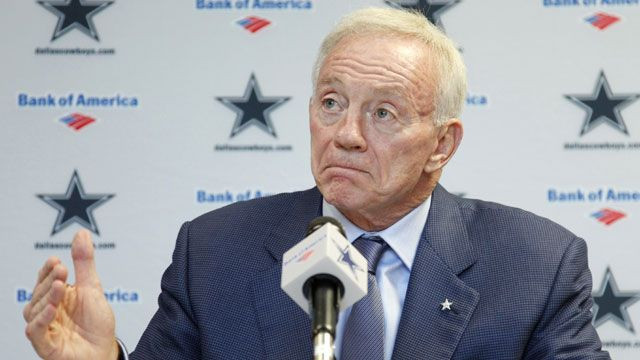
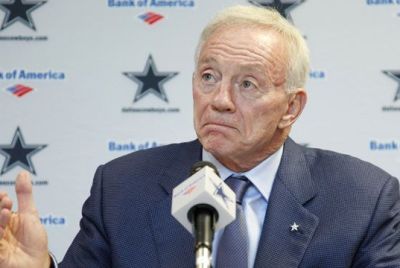
ARLINGTON, Texas — Dallas Cowboys owner Jerry Jones said the team is giving thought to tinting the large glass windows at AT&T Stadium, a potential change aimed at reducing the afternoon sun glare that has long affected players and drawn complaints during home games.
Jones discussed the issue during training camp in Oxnard, California, in an interview with Fox 4 reporters Mike Doocy and Sam Gannon. When asked about using curtains similar to those deployed for some 2026 World Cup matches at the stadium, Jones distinguished between consideration and action.
"Well, you know something. Thinking about it and doing something about it are two different things," Jones said. "But, no, I'll think about it."
He was more open to the idea of permanent tinting, which FIFA organizers used for certain World Cup games at the venue this summer to soften the intense sunlight streaming through the west-facing glass.
"As we look at it, I liked some of the effects of the tinting," Jones said. "So we're giving that a thought."
The comments mark a shift in tone for Jones, who has previously resisted calls to alter the stadium's signature glass features for NFL games. AT&T Stadium, which opened in 2009 at a cost of more than $1 billion, was designed with massive end-zone windows to create an open, outdoor feel inside a covered venue. The east-west orientation of the building allows low-angle afternoon sunlight to pour onto the field during fall games, creating significant glare in one end zone.
Players on both the Cowboys and visiting teams have described the conditions as challenging. Wide receivers tracking passes and defensive backs covering deep routes have reported difficulty seeing the ball when looking into the sun. The issue has surfaced in regular-season contests and high-stakes playoff games over the years.
During the 2026 FIFA World Cup, the stadium temporarily known as Dallas Stadium underwent several modifications, including the installation of natural grass and measures to control sunlight. Organizers used tinting on the large doors and windows for some matches and deployed curtains for others, such as the Japan-Sweden game, to eliminate glare on the pitch. Those temporary solutions demonstrated that the sunlight could be managed without fully eliminating the architectural views Jones has long prized.
Jones noted that the sun's angle differs between the summer World Cup schedule and the NFL's fall calendar, making direct comparisons imperfect. The late-afternoon light in September through December creates different shadows and intensity than the conditions seen during June and July matches. Still, the positive visual and practical effects of the World Cup tinting left an impression.
The glare problem is not new. It has been a recurring topic of discussion among fans, media and players since the stadium opened. Critics have pointed out that the issue is predictable and preventable, yet Jones has historically preferred to leave the windows unaltered for Cowboys games. Curtains have been used for concerts and other non-football events, but Jones has drawn a firm line against employing them for NFL contests, arguing that the team knows the sun's position and can adjust accordingly.
Tinting offers a middle path. Unlike heavy blackout curtains, which can dramatically alter the stadium's atmosphere and block exterior views, window tinting can reduce glare while preserving much of the natural light and the distinctive look of the glass walls. Jones's recent comments suggest he found the World Cup version aesthetically acceptable.
Any decision would carry implications beyond player comfort. AT&T Stadium is one of the NFL's most recognizable venues, and its open design has been central to the Cowboys' branding. Changes to the glass could affect television broadcasts, the fan experience in certain seating areas, and the overall visual identity of the building. Engineering and cost considerations would also factor into any permanent installation.
The timing of Jones's remarks coincides with the start of the 2026 training camp and the approach of another NFL season. The Cowboys, like every team, will face a mix of early-afternoon, late-afternoon and prime-time home games. Glare is most acute during the late-afternoon windows common in the early and middle portions of the schedule.
Players have been candid about the challenge in the past. The sunlight has been linked to dropped passes and disrupted routes in multiple games. While some athletes adapt by adjusting their positioning or relying more heavily on peripheral vision, others have said the conditions can be disorienting when the ball is in the air against a bright backdrop.
Jones has long defended the stadium's design as intentional. The glass walls were meant to connect the interior experience with the Texas sky and surrounding landscape. He has repeatedly expressed pride in the building's unique character and has resisted suggestions that the glare represents a flaw rather than a feature of the original vision.
The World Cup experience appears to have introduced new data. Temporary tinting allowed organizers to control light levels without permanently altering the structure. Jones's acknowledgment that he liked "some of the effects" opens the door to further evaluation, even if he stopped short of committing to a change.
For now, the discussion remains at the stage of consideration. Jones's distinction between thinking about a solution and implementing one reflects his longstanding caution on modifications that would change the stadium's fundamental appearance. Fans and players who have advocated for years for a fix will likely watch closely to see whether the current openness translates into concrete plans before the regular season begins.
The broader context includes the Cowboys' ongoing efforts to maximize home-field advantage in a highly competitive NFC East and a league that places increasing emphasis on player safety and performance consistency. Reducing environmental variables such as extreme glare aligns with those priorities, even if it requires compromising slightly on the original architectural concept.
AT&T Stadium has hosted Super Bowls, college football championships, major concerts and now a slate of World Cup matches. Each event has tested different aspects of the facility. The temporary solutions used this summer provided a real-world test of light management techniques that Jones and his staff can now evaluate with fresh perspective.
Whether tinting ultimately moves from discussion to installation remains uncertain. Jones has made clear that contemplation does not equal commitment. Yet by publicly stating that the team is giving the idea thought and that he appreciated the visual results of the World Cup approach, the owner has shifted the conversation from outright rejection to active consideration for the first time in years.
As the Cowboys prepare for the 2026 season, the sunlight that has long poured through the west-facing glass continues to shape both the aesthetic and the competitive realities of playing in Arlington. Jones's latest comments suggest that after more than 15 years, the organization is at least willing to examine whether a measured adjustment could improve conditions without sacrificing the distinctive character of one of the NFL's most striking venues.
© Copyright 2026 IBTimes AU. All rights reserved.
- Recommended For You