Lebron James Trade Rumors: LeBron James to Cleveland in Hypothetical Trade Sending Jarrett Allen to Lakers
Exploring the implications of a proposed trade sending LeBron James back to the Cavaliers for Jarrett Allen.
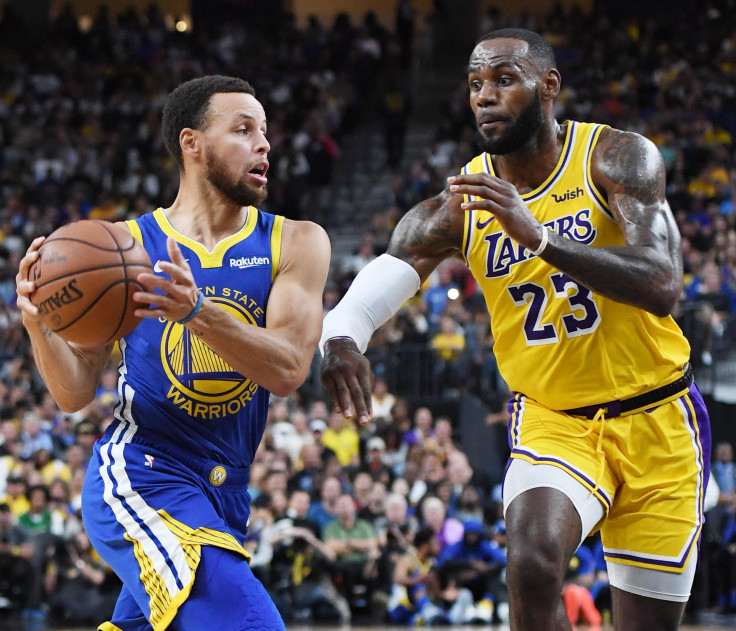
As the NBA offseason heats up, a proposed trade sending LeBron James back to the Cleveland Cavaliers in exchange for center Jarrett Allen has sparked discussions about potential roster reshaping for both franchises.
The scenario, discussed by ESPN's Brian Windhorst, would involve James signing with Cleveland and being traded to the Lakers for Allen. While highly speculative, it highlights the strategic calculations teams make when balancing star power, salary cap constraints and long-term contention windows.
James, who will turn 42 before the 2026-27 season, holds a player option for next year. His future remains a central topic as the Lakers build around Luka Doncic as the franchise's new cornerstone.
Cleveland, which drafted James in 2003, has expressed interest in bringing him back for a potential final chapter. The Cavaliers have built a competitive core around Donovan Mitchell but lack a clear path to championship contention without additional star talent.
Allen, a reliable starting center with double-double potential and strong rim protection, would address a key need for the Lakers. His youth and contract make him an attractive target for Los Angeles as they seek frontcourt stability alongside Doncic.
Trade Mechanics and Cap Implications
The deal would require James to opt out and sign with Cleveland before being traded. This sign-and-trade structure allows the Cavaliers to create salary cap space by moving Allen's contract.
Allen's deal is valued at approximately $90 million, providing substantial relief for Cleveland while giving Los Angeles a proven big man. The Lakers have prioritized finding a quality center to complement their backcourt.
Windhorst noted the Lakers' strong interest in Allen. "If your pathway to paying LeBron the money is to trade Jarrett Allen for him, the Lakers would kill for Jarrett Allen," he said. "They would do that deal in 17-tenths of a second."
Cleveland would gain James' experience and leadership alongside Mitchell and potentially James Harden, who is expected to re-sign with the Cavaliers. The trio would create significant offensive firepower, though ball distribution and defensive fit would require careful management.
James' Legacy and Future
James' potential return to Cleveland would represent a storybook ending to his legendary career. The four-time MVP began his professional journey with the Cavaliers and delivered their first championship in 2016.
A homecoming would allow James to finish his career where it started, potentially mentoring younger players while chasing another title. His basketball IQ and leadership would benefit a Cavaliers team seeking playoff success.
For the Lakers, parting ways with James would mark the end of an era that included multiple championships and record-breaking achievements. The franchise has already shifted focus toward Doncic as its primary star.
James has not publicly commented on the speculation. His decision will ultimately depend on competitive opportunities, family considerations and personal goals for the final stages of his career.
Lakers' Strategic Direction
Los Angeles has prioritized building a sustainable contender around Doncic. Acquiring a young, productive center like Allen would address a long-standing need for frontcourt size and defense.
The Lakers' recent extension with Austin Reaves and management of other free agents demonstrate commitment to roster continuity. Adding Allen would provide defensive anchor and lob threat potential for Doncic.
Cleveland's perspective centers on creating a championship window. Pairing James with Mitchell and Harden would create one of the league's most talented offensive groups, though defensive concerns and chemistry questions remain.
The Cavaliers' front office must evaluate whether the move aligns with long-term vision or represents a short-term gamble. Salary cap implications and future flexibility will factor heavily into any decision.
NBA Trade Landscape
The proposed deal exemplifies the complex calculations teams make during the offseason. Sign-and-trade transactions allow star movement while providing cap relief for sending teams.
James' unique status as both a veteran leader and still-productive player creates unique opportunities. His basketball intelligence and experience remain valuable assets for contending teams.
The NBA's salary cap and luxury tax rules heavily influence trade structures. Teams must balance immediate contention with long-term roster building under current collective bargaining agreement constraints.
Roster fit, chemistry and coaching schemes play crucial roles in evaluating potential trades. Both Los Angeles and Cleveland would need to assess how James or Allen integrate with existing cores.
Potential Outcomes
James returning to Cleveland for a final run would generate enormous excitement in Ohio. The narrative of completing his career where it began would captivate fans and media alike.
For the Lakers, acquiring Allen would provide defensive stability and allow Doncic to operate with a reliable interior partner. The move would signal a new chapter focused on sustainable contention.
Both scenarios involve risk. James' age and injury history require careful management, while Allen's fit in Los Angeles would need time to develop.
The hypothetical trade highlights the fluid nature of NBA roster construction. Teams constantly evaluate talent, contracts and opportunities to improve competitiveness.
As free agency and trade discussions continue, James' decision will influence multiple franchises. His choice will shape not only his legacy but the competitive balance in both conferences.
The Lakers and Cavaliers both face important strategic crossroads. How they approach James' situation could define their trajectories for years to come.
© Copyright 2026 IBTimes AU. All rights reserved.
- Recommended For You