

(VIDEO) World Cup Final Debuts First Halftime Show With Shakira, Madonna, BTS and Bieber, Draws Mixed Reviews
Coldplay's Chris Martin Curates Historic Halftime Show at 2026 World Cup Final
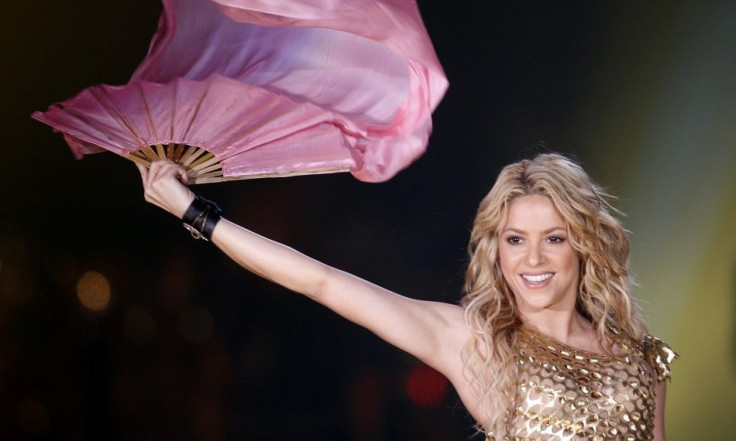
EAST RUTHERFORD, N.J. — The 2026 FIFA World Cup final delivered a first in the tournament's nearly century-long history Sunday, staging a full-scale halftime show during the championship match between Spain and Argentina, a production curated by Coldplay frontman Chris Martin that drew both praise and sharp criticism from fans and commentators around the world.
The performance, which stretched the intermission between the first and second halves to 27 minutes, featured an extensive lineup including Madonna, Justin Bieber, K-pop group BTS, Colombian singer Shakira, Nigerian artist Burna Boy, conductor Gustavo Dudamel, the Muppets, and a cameo appearance from actor Jason Sudeikis reprising his role as Ted Lasso. The show closed with a group of children gathered at midfield joining several of the performers for a song about love.
Madonna opened her segment from the stadium tunnel before moving out onto the field as the crowd cheered. Dudamel then led the Muppets through a rendition of "Seven Nation Army," before BTS joined the performance to sing their hit "Dynamite." In a scripted transition, Sudeikis' Ted Lasso character "subbed in" Bieber, who performed a slower ballad called "Everything Hallelujah," reworking some lyrics to reference the World Cup. Shakira and Burna Boy later performed the tournament's official anthem, "Dai Dai," backed by a large ensemble of dancers, providing what many viewers described as the show's most energetic stretch before the closing number.
The spectacle marked a significant departure for FIFA and World Cup organizers, who have never previously staged a Super Bowl-style halftime show at a men's World Cup final. This year's tournament, hosted jointly by the United States, Mexico and Canada, has been billed by organizers as one of the most ambitious global sporting events ever staged. Alex Lasry, chief executive of the New York New Jersey host committee, had described the final in the lead-up to Sunday's match as potentially one of the largest events in human history, citing the scale of preparations for an anticipated global audience of billions and the presence of international dignitaries.
Reaction to the show was sharply divided. Many viewers and commentators compared it favorably to recent Super Bowl halftime performances, including Bad Bunny's widely discussed set earlier this year, with several observers noting that Sunday's show felt more energetic and easier to follow. Others took issue with the length and premise of the show altogether, questioning why a 27-minute intermission was inserted into a sport that has never featured elaborate halftime entertainment at its biggest matches.
Former England international Wayne Rooney was among the most vocal critics, telling the BBC broadcast team that he thought the show was "crap." His comments echoed a broader thread of criticism from soccer traditionalists who argued that the production imported an American sporting convention into a global tournament that had never asked for it.
Despite the criticism, the overall reception leaned positive, with many viewers saying the show flowed well and did not overstay its welcome despite its unusual length for a soccer match. Given the show's apparent success, organizers and analysts suggested it could become a permanent fixture of future World Cup finals, following the same trajectory that turned the Super Bowl halftime show into one of the most-watched entertainment events in the United States each year.
The elaborate production stood in contrast to the match itself, which many observers described as one of the more underwhelming finals in recent World Cup history. Both Spain and Argentina played cautiously in the opening exchanges, with the contest slow to develop scoring opportunities even as the two nations vied for the sport's most prestigious trophy. Spain ultimately emerged victorious in extra time, defeating a 10-man Argentina side after a red card left the South Americans facing the closing stages of the match a player short.
Sunday's final carried additional historical weight beyond the halftime spectacle. Argentina had entered the match with a chance to become the first nation to win consecutive World Cup titles since Brazil accomplished the feat in 1958 and 1962, while the tournament as a whole was already being described as the most attended World Cup ever held and among the most expensive major sporting events in history.
The match also drew a heavy political presence, with President Donald Trump attending the final in person, arriving at the stadium as part of a large helicopter convoy ahead of kickoff. His attendance added another layer of attention to a final that organizers had positioned as a landmark moment not just for soccer, but for large-scale international sporting spectacle more broadly.
Social media reaction to the halftime show was immediate and voluminous, with debate continuing well after the final whistle over whether the performance represented a welcome evolution for the World Cup or an unnecessary Americanization of the sport's oldest and most storied championship match. Supporters of the show pointed to its relatively restrained political tone and broad international lineup, featuring artists from Latin America, Asia, Europe and the United States, as evidence that organizers had successfully balanced entertainment value with global appeal.
Critics, meanwhile, continued to argue that soccer's biggest stage did not need supplementary entertainment to draw attention, given the sport's existing global following and the drama inherent in a World Cup final itself. That tension between spectacle and tradition is likely to shape discussions ahead of future tournaments, particularly if FIFA and host organizers choose to continue expanding the ceremonial elements surrounding the sport's championship match.
For now, Sunday's show stands as a one-time experiment that has already reshaped expectations for how the World Cup's biggest match might be presented in years to come, even as reaction to its first attempt remains far from unanimous among fans, players and commentators who watched it unfold in New Jersey.
© Copyright 2026 IBTimes AU. All rights reserved.