Kuwait International Airport Is Open Today, but Terminal 1 Remains Closed Amid Fresh Iranian Strikes
Kuwait International Airport continues operations with limited terminals as regional tensions impact aviation infrastructure.

Kuwait International Airport is open and operating on Saturday, with two of its five terminals handling scheduled commercial flights even as the country continues absorbing the fallout from a fresh Iranian drone strike on a nearby military air base a day earlier.
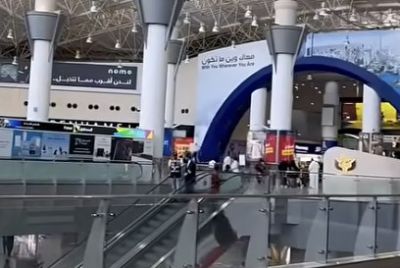
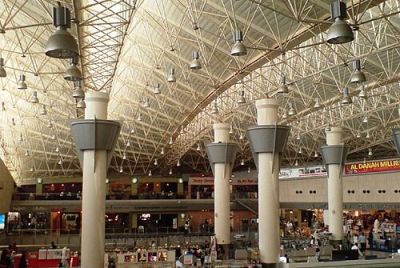
Kuwait Airways is flying out of Terminal 4, while Jazeera Airways operates from Terminal 5, with both national carriers maintaining largely normal schedules, according to travel monitoring service Wego. Terminal 1, the airport's primary international facility, remains closed pending repairs and has no confirmed reopening date, a status that has persisted since the terminal suffered significant structural damage, including a partial roof collapse, during a strike in early June. Terminal 2 remains under construction, with completion targeted for late 2026, while Terminal 3 has been permanently closed.
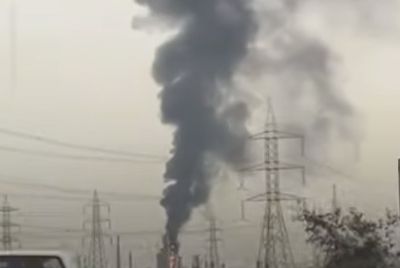
Friday's Iranian strike targeted the Ahmad al-Jaber Air Base, a separate military installation located roughly 40 miles south of Kuwait City that hosts both Kuwaiti and U.S. air force operations, rather than Kuwait International Airport itself. Iran's military said in a statement that its forces had used loitering drones to target aircraft shelters, satellite communications systems and equipment storage facilities at the base, describing the strike as the 27th phase of an ongoing military operation carried out in retaliation for a U.S. attack on a residential home on Iran's Qeshm Island. The Iranian army characterized Ahmad al-Jaber as a major hub for U.S. air and surveillance operations and a key logistical support center for American forces in the region, according to Al Jazeera's reporting on the strike.
Kuwait's Public Authority for Civil Aviation had not announced any new closure of the commercial airport specifically in connection with Friday's strike on the separate military base, according to the most recent available travel status reporting. Even so, the broader pattern of the conflict has repeatedly demonstrated how quickly conditions at the civilian airport can shift in response to regional developments. Kuwait closed its airspace and suspended all takeoffs and landings on July 18 as a precautionary measure amid missile and drone threats and active air-defense intercepts, with operations resuming the following day, according to Wego.
The damage that continues to keep Terminal 1 offline traces back to a sustained campaign of Iranian-linked drone and missile attacks that began in late February and has periodically struck Kuwaiti territory throughout the year as part of the broader U.S.-Iran conflict. Kuwait's Defense Ministry has previously said its forces detected roughly 30 ballistic missiles and drones launched by Iran in a single day during that earlier period, with several intercepted over residential areas. Kuwait's foreign ministry summoned Iran's charge d'affaires at the time to lodge a formal protest and ordered two Iranian embassy staff to leave the country within 24 hours. Iran's Revolutionary Guard denied responsibility for that particular attack, with a spokesman claiming the damage was instead caused by a failed U.S. interceptor missile, an account U.S. Central Command rejected, calling it a deliberate Iranian drone strike on the airport.
Terminal 1 had briefly reopened on June 1, allowing some non-Kuwaiti carriers to resume service through the facility after an earlier closure, but that reopening proved short-lived. The terminal suffered more severe structural damage, including the partial roof collapse, during a subsequent strike on June 3, rendering the facility unsafe for passenger operations and prompting officials to close it again, a closure that has remained in effect since. Kuwait Airways resumed flights from Terminal 4 within hours of that June 3 strike, reflecting the country's determination to maintain at least limited air traffic even amid continued security threats.
Sheikh Hamoud Mubarak Al Sabah, chairman of Kuwait's General Civil Aviation Authority, has said the airport's phased reopening process has been coordinated closely with domestic and international authorities to ensure operations resume in line with the highest safety and security standards, rather than restoring full capacity all at once.
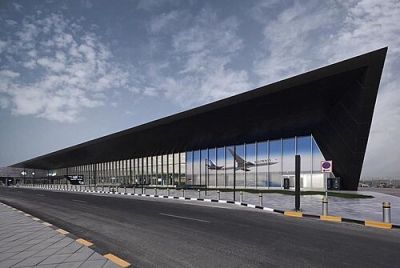
Beyond the immediate recovery effort tied to Terminal 1, Kuwait continues advancing a longer-term expansion of its aviation infrastructure. A new Terminal 2, designed by the architecture firm Foster + Partners and built around a triangular structure, remains under construction and is targeted for completion in the final quarter of 2026. Once finished, the facility is expected to add dozens of additional gates, thousands of new parking spaces and an on-site hotel, expanding the airport's overall passenger handling capacity to more than 25 million travelers annually. That expansion project has faced its own disruptions over the years, including delays tied to the COVID-19 pandemic and, more recently, minor damage to the construction site from an earlier Iranian drone strike that did not affect the project's planned completion timeline.
Travel advisories tied to the broader U.S.-Iran conflict have continued shifting in response to developments on the ground, and travel monitoring services have consistently urged passengers to confirm their specific flight status directly with their airline before heading to the airport, given how frequently conditions have changed throughout 2026. Passengers flying with Kuwait Airways should expect to depart from Terminal 4, while those flying with Jazeera Airways will use Terminal 5. Anyone whose itinerary was originally booked through Terminal 1 should check with their airline regarding rebooking, alternate terminal arrangements or refund options, since that facility remains offline with no confirmed date for restoring passenger operations.
© Copyright 2026 IBTimes AU. All rights reserved.
- Recommended For You