

(VIDEO) iPhone 20 All-Glass Design Rumors Grow More Credible as Leaker Says Factory Is Already Prepping for It
Speculation grows around Apple's ambitious all-glass iPhone 20 design for 2027
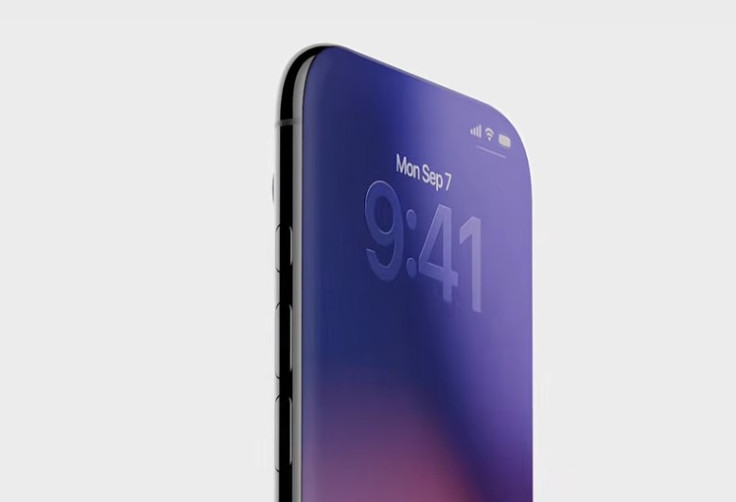
Speculation surrounding a dramatic redesign of Apple's 20th-anniversary iPhone has intensified this week, with a new leak suggesting the company's plans for an all-glass device have moved beyond the concept stage and into active manufacturing preparation, according to a claim circulating on Chinese social media platform Weibo.
The latest report comes from a leaker known as Fixed Focus Digital, who has developed a mixed but notable track record on past Apple predictions. In a post shared Sunday, the leaker indicated that Apple's preferred design direction for the iPhone 20, expected to launch in 2027 to mark two decades since the original iPhone's debut, centers on an all-glass exterior. The leaker further claimed that manufacturing quality for the device is expected to closely resemble that of the first-generation iPhone Air.
A Factory Already Renovated, According to the Leak
The most notable element of the report is a claim that a production facility tied to the device has already completed renovation work and is currently waiting on equipment installation before beginning parts machining. That level of specificity distinguishes the claim from more general rumors about Apple's design intentions, suggesting that supply chain preparation for a redesigned iPhone may already be underway well ahead of the device's eventual launch.
No supplier has been officially confirmed in connection with the renovated facility. However, several reports have pointed to Biel Crystal as a likely lead contractor for the glass components, with BYD and Lens Technology also mentioned as potential participants. All three companies have previously played recurring roles in the production of iPhone cover glass and device enclosures.
A Return to Apple's Glass Design Roots
Apple has experimented with all-glass smartphone designs before. The company introduced a glass-front-and-back design with the iPhone 4 in 2010, carrying the look forward into the iPhone 4s before shifting to an aluminum unibody construction with the iPhone 5 in 2012, a change aimed at making the device lighter, thinner and more resistant to shattering. Apple later returned to glass backs with the iPhone 8 in 2017, primarily to enable wireless charging capability.
The current wave of rumors suggests Apple intends to take the material further than in any previous generation, positioning glass as the defining structural and aesthetic element of the iPhone 20's overall design, rather than simply a surface material layered onto an aluminum or steel frame.
Consistent With Earlier Reporting
The claim aligns with previous reporting on Apple's plans for the milestone device. Bloomberg's Mark Gurman reported in May that Apple is targeting a mostly glass, curved iPhone design for the 20th-anniversary model that would eliminate cutouts in the display entirely. According to Gurman's earlier reporting, the design would feature glass wrapping around all four edges of the device, with no visible notch or Dynamic Island interrupting the screen.
The design direction also echoes long-standing ambitions associated with former Apple design chief Jony Ive, who spent years describing his vision for an iPhone crafted from a single, seamless piece of glass. Apple's recent introduction of its translucent Liquid Glass software interface has been viewed by some observers as laying conceptual groundwork on the software side ahead of a more dramatic hardware shift in the same direction.
Weighing Aesthetics Against Durability
An all-glass design carries an obvious trade-off: while glass can produce a striking visual and tactile result, it remains significantly more fragile than aluminum, a reality familiar to any smartphone owner who has cracked a glass phone back or display. Despite that durability concern, Apple appears to view the aesthetic payoff as worthwhile for a device intended to mark a major company milestone.
A Pattern of Milestone Redesigns
Apple has a well-established history of using anniversary products to introduce bold design departures that diverge from its typical annual upgrade cycle. The 20th Anniversary Macintosh, released in 1997 to mark two decades of the company's history, featured an unusually slim all-in-one design and premium materials well ahead of their time for personal computers.
A decade later, Apple marked the iPhone's 10th anniversary with the iPhone X, a device that eliminated the physical Home button in favor of an edge-to-edge OLED display paired with Face ID facial recognition. That design language, introduced specifically for the anniversary model, went on to define the iPhone's overall look for years afterward, establishing a template that later informed most of Apple's subsequent iPhone releases.
A Credible but Unconfirmed Report
Fixed Focus Digital's track record on past Apple leaks offers some basis for weighing the report's credibility. The leaker correctly predicted the iPhone 16e's name ahead of its official announcement, but also incorrectly claimed the iPhone 17 would ship with a 120Hz display lacking ProMotion technology. Given that mixed history, the latest claim should be treated as plausible factory-level chatter rather than confirmed fact.
Still, the specific nature of the claim — a renovated facility currently waiting on equipment before beginning parts production — represents the kind of detail that can eventually be verified or disproven as manufacturing timelines become clearer, and it aligns closely with the broader picture painted by prior reporting on Apple's 2027 product plans.
What It Would Mean for iPhone Fans
If Apple does ultimately deliver an iPhone resembling a single, curved slab of glass, the device would represent the culmination of a design vision that has circulated among Apple enthusiasts and former company designers for well over a decade. For many longtime fans of the brand, the tradeoff of increased fragility may be considered a worthwhile cost for finally seeing that long-imagined design come to market on one of Apple's most significant anniversary devices to date.
© Copyright 2026 IBTimes AU. All rights reserved.