

Emirates Cuts A380 Flights 16 Percent in July for Refurbishments and Boeing Delays, Not Retirement
Emirates navigates fleet challenges with A380 refurbishments and strategic route planning.
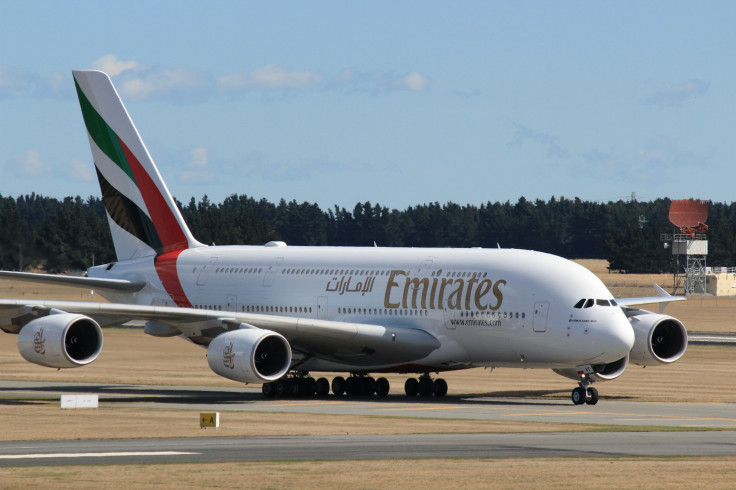
DUBAI — Emirates will operate about 16 percent fewer Airbus A380 flights this month compared with July last year, according to aviation data provider Cirium, but industry analysts and the airline say the reduction stems from an extensive cabin refurbishment program, routine maintenance and delays in Boeing 777X deliveries rather than any plan to retire the iconic double-decker aircraft.
The Dubai-based carrier, the world's largest operator of the superjumbo with more than 100 A380s in its fleet, continues to invest heavily in the type. Emirates plans to deploy the A380 on the Delhi route starting Oct. 25, marking the aircraft's return to that key Indian market and underscoring its long-term role in the airline's network.
Adnan Kazim, Emirates' deputy president and chief commercial officer, highlighted the carrier's commitment to India and premium products. "We are pleased to introduce our highly anticipated A380 services to Delhi, a vital gateway in our network, from October," he said. "Given the strong demand for travel to and from India, it is an honour to expand our A380 footprint in the country, with Delhi joining Mumbai and Bengaluru as our third A380 destination."
The temporary dip in A380 operations this summer reflects practical fleet management challenges. Emirates is midway through a multi-billion-dollar program to modernize cabins across its widebody fleet, including the installation of premium economy seats on A380s. The work involves taking aircraft out of service for extended periods, reducing available flying days during the peak travel season.
Routine heavy maintenance checks further constrain availability. At times, a significant portion of the A380 fleet — reports indicate around 27 to 32 aircraft — has been grounded simultaneously for these upgrades and inspections. The airline has substituted Boeing 777-300ERs and other types on affected routes to maintain capacity where possible.
Boeing's repeated delays to the 777X program have compounded the situation. Emirates holds one of the largest orders for the new widebody, with expectations it would gradually replace older 777s and complement the A380 fleet. With entry into service now pushed toward 2027 or later, Emirates must extend the life of existing aircraft, including through retrofits, to sustain its expansive route network.
The A380 schedule adjustments this July include full swaps to 777s on routes such as Glasgow, Osaka and Barcelona, along with frequency reductions on major trunks like London Heathrow. Some routes, including Copenhagen, Perth and Washington Dulles, are regaining A380 service after earlier pauses. These changes represent rebalancing rather than outright cuts, with overall capacity preserved through alternative aircraft.
Analysts emphasize that the A380 remains central to Emirates' strategy for high-demand, high-yield routes. The aircraft's large capacity and four-class configuration, including first, business, premium economy and economy cabins after retrofits, align with passenger preferences for comfort on long-haul flights. The upcoming Delhi deployment fits this pattern, adding premium seats on one of the carrier's busiest India corridors amid strong travel demand.
Emirates operates to nine destinations in India with 167 weekly flights, connecting them to its global network via Dubai. The A380 introduction to Delhi will complement retrofitted Boeing 777 services on the route, ensuring premium economy availability across all daily flights. By the end of October, the premium economy product will reach six Indian cities: Delhi, Mumbai, Ahmedabad, Bengaluru, Kolkata and Kochi.
The refurbishment program extends beyond the A380. Emirates is upgrading interiors across 219 aircraft in a $5 billion-plus initiative that includes refreshed premium cabins and enhanced features. For the A380 specifically, high-density configurations are being adjusted, sometimes reducing total seats to prioritize premium yields on select routes while maintaining the aircraft's signature onboard lounge and shower facilities that differentiate it from competitors.
This approach allows Emirates to maximize revenue per flight even as it manages fleet constraints. The superjumbo's operational costs are amortized over its long service life, and the investments in modern cabins help sustain its appeal against newer, more fuel-efficient twins like the Airbus A350 and Boeing 787.
Geopolitical factors have also played a role in recent A380 availability. Regional conflicts, including tensions involving Iran earlier this year, led to temporary groundings and route adjustments that affected widebody utilization. Emirates quickly rebuilt much of its schedule, demonstrating resilience, but such events highlight the complexities of operating a large international fleet.
Despite the current lighter July schedule, Emirates has no plans to retire the A380 fleet prematurely. The airline has consistently stated that the type will serve well into the 2030s, with ongoing maintenance and upgrades ensuring reliability. Airbus delivered the last A380 in 2021, and Emirates' large existing fleet provides a stable platform without reliance on new production.
The A380's return to additional routes this summer and fall, including Delhi, counters speculation of quiet retirement. Industry observers note that while the superjumbo's production ended years ago, its capabilities remain unmatched for certain hub operations like Dubai's, where high passenger volumes and connecting traffic justify the aircraft's size.
Emirates' broader fleet strategy involves balancing the A380 with newer types. The airline operates a significant number of Boeing 777-300ERs, many of which are also receiving premium economy retrofits. The delayed 777X will eventually allow for more efficient long-haul operations, but in the interim, the focus remains on optimizing the current mix.
Passengers on affected routes this month may notice more 777 deployments, which offer competitive comfort levels post-refurbishment but lack the A380's distinctive two-deck experience. Emirates has communicated schedule changes to minimize disruption, with many flights maintaining similar timings.
Looking ahead, the airline's investment in premium products signals confidence in premium leisure and business travel recovery. Premium economy, with its enhanced seating, dining and amenities, has proven popular, and expanding it across more routes including via A380s strengthens Emirates' competitive position against rivals in the Gulf and beyond.
The July figures from Cirium provide a snapshot of transitional fleet dynamics rather than a long-term shift. As refurbishments progress through November and more aircraft return to service, A380 utilization is expected to normalize. The Delhi debut in October offers a concrete example of continued commitment to the type on high-profile routes.
Emirates' A380 operations have defined its brand since the aircraft entered service with the carrier in 2008. The superjumbo's onboard innovations, from the lounge to spacious cabins, have set benchmarks in international aviation. Sustaining that legacy through targeted investments amid supply chain and delivery challenges demonstrates the airline's adaptive approach to fleet management.
As summer peaks and travel demand holds steady, the temporary adjustments ensure reliability while positioning the fleet for future growth. With strong India ties and global connectivity at its core, Emirates continues leveraging the A380 where it delivers the greatest value to passengers and the bottom line.
© Copyright 2026 IBTimes AU. All rights reserved.