Gas Prices Hit $3.95 Nationally as Iran Conflict's Aftermath Keeps Pump Costs Elevated
National gas prices rise due to geopolitical conflicts and seasonal demand, with significant state-by-state variations.

WASHINGTON — The national average for a gallon of regular gasoline stood at $3.9510 as of Saturday, June 20, according to AAA, marking a slight pullback from the conflict-driven highs seen earlier this spring but leaving drivers still paying significantly more than they did a year ago.
A Sharp Climb Since February
The current price reflects the lingering effects of months of volatility tied to the conflict between the U.S., Israel, and Iran, which sent crude oil prices soaring and disrupted the Strait of Hormuz, one of the world's most critical oil shipping routes. The national average for a gallon of regular gasoline went up 10 cents from one week and one dollar since the prior month at one point during the conflict, with prices climbing from $2.98 on February 26 to roughly $3.98 by late March. The national average could reach $4 a gallon in the coming days for the first time since August 2022, AAA had warned at the time — a threshold the national average ultimately did cross in early April.
Gas prices subsequently peaked even higher as the conflict intensified. Gas prices were up roughly 54% higher than they were on February 26, 2026, when the average sat at $2.96, with prices peaking at $4.55 per gallon on May 21, 2026, before beginning their more recent gradual decline.
Year-Over-Year Increases Across Nearly Every State
The broader pattern of rising gas prices has affected nearly the entire country over the past 12 months, though the severity of those increases has varied dramatically from state to state. Average gas prices increased by double digits in every state except one between June 16, 2025, and June 16, 2026. The average gas price increased the most in New Hampshire, rising 41.9% from $2.91 to $4.13 per gallon, followed by New York and Vermont, both up 39.3%, where prices rose from $3.11 and $3.07 to $4.34 and $4.28, respectively.
California also posted a substantial year-over-year increase, with prices rising 22.7% from $4.66 to $5.71, followed by Maryland, where prices rose 24.7% from $3.06 to $3.82.
Indiana Stands Out as the Exception
Amid the broad nationwide trend of rising prices, one state has bucked the pattern significantly. Average gas prices increased the least in Indiana between June 16, 2025, and June 16, 2026, with prices there rising just 6.4%, from $3.16 to $3.36 per gallon — by far the smallest year-over-year increase recorded anywhere in the country.
Where Gas Is Most and Least Expensive Right Now
As of June 16, 2026, the highest average gas price nationwide was in California at $5.71 per gallon, followed by Hawaii at $5.58 and Washington at $5.49. Four states had average gas prices above $5.00 per gallon.
At the other end of the spectrum, Indiana had the lowest average gas price at $3.36 per gallon, followed by Texas at $3.50 and Oklahoma at $3.53 — illustrating the wide geographic disparity that continues to define gasoline pricing across the country even amid a broadly elevated national average.
The Role of the Strait of Hormuz
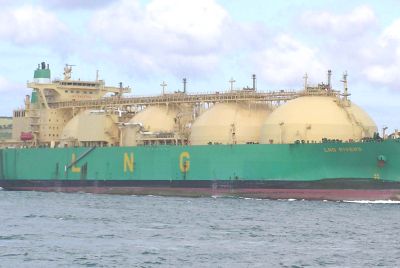
Much of the volatility behind this year's gas price swings traces directly back to disruptions in one of the world's most important oil shipping corridors. Roughly 20% of the world's daily oil supply passes through the Strait of Hormuz, a narrow waterway between Iran and Oman. When shipping through the strait is threatened or disrupted, global oil traders price in the risk immediately, even before any physical shortage appears. Since crude oil is priced on a global market, a disruption anywhere impacts prices everywhere — a dynamic that played out repeatedly throughout the conflict as fighting periodically closed or threatened to close the strait.
Demand Factors Compounding the Price Pressure
Beyond the geopolitical disruption, ordinary seasonal demand patterns have also contributed to elevated prices throughout the year. Gasoline demand increased during the spring as the driving season ramped up, with the Energy Information Administration reporting gasoline demand climbing from 8.72 million barrels per day to 8.92 million at one point, even as total domestic gasoline supply simultaneously decreased — a combination that tends to put further upward pressure on pump prices regardless of crude oil costs alone.
How This Compares to Recent History
The current $3.95 national average places this year's gas prices well above the levels drivers experienced for most of the prior decade. Over the past eight years, the price of gas has averaged $3.04 per gallon, roughly a dollar less expensive than the current national average. The most expensive weekly national average recorded since 2018 was $4.99 per gallon, set the week of June 16, 2022, while the cheapest weekly national average over that same period was $1.84 per gallon, recorded on April 16, 2020, during the early stages of the COVID-19 pandemic when demand collapsed.
Tips for Drivers Looking to Save
For drivers looking to minimize the impact of currently elevated prices, several practical strategies remain available. Apps and websites like AAA, GasBuddy, and Google Maps show real-time prices at stations in a given area, allowing drivers to compare costs before filling up. Membership warehouses like Costco and Sam's Club often have the lowest prices in a given area but require a membership, while some credit cards also offer bonus rewards on gas purchases, which can effectively reduce the price per gallon for everyday purchases.
With the national average now sitting just below the $4 mark after peaking above $4.50 in May, the trajectory of gas prices in the coming weeks will likely depend heavily on the durability of the recent ceasefire arrangements between the U.S. and Iran and the consistency of oil tanker traffic through the Strait of Hormuz. Should that de-escalation hold and shipping continue normalizing through the strait, drivers may see further gradual relief at the pump in the weeks ahead. However, given the scale of the price swings already seen this year — from below $3 in February to above $4.50 in May — continued volatility remains a real possibility depending on how the broader geopolitical and seasonal demand picture evolves through the remainder of the summer driving season.
© Copyright 2026 IBTimes AU. All rights reserved.
- Recommended For You