Trump Slams Exxon and Chevron for Making 'Too Much Money' Amid Soaring Iran War Oil Prices This Week
President Trump urges oil giants to reduce consumer prices as profits soar due to Iran conflict
WASHINGTON — President Donald Trump lashed out at ExxonMobil and Chevron on Monday, accusing the two oil giants of making excessive profits from surging crude prices tied to the ongoing conflict with Iran and demanding they lower prices for American consumers.
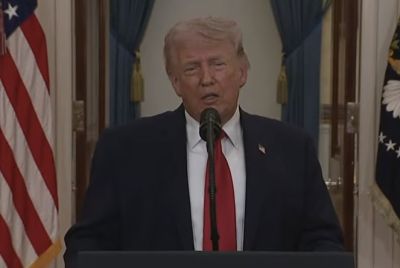
Speaking to reporters at the White House during an executive order signing, Trump singled out both companies by name over their recently reported second-quarter earnings. "Chevron, too much money. ExxonMobil, too much money," Trump said, adding that the companies "better cut the retail price, the consumer price" and return some of their profits to the public.
Record profits amid a supply shock
Trump's comments followed second-quarter earnings reports last week that showed both companies posting sharply higher profits compared with the same period a year earlier. ExxonMobil reported earnings of $14.5 billion for the quarter, roughly double what it earned during the same period last year. Chevron reported $12 billion in quarterly profit, up from $2.5 billion a year earlier, marking a roughly 400% increase and the company's highest quarterly earnings in at least six years. Combined, the two oil majors posted $26.5 billion in second-quarter earnings.
"They're making too much money based on a shortage," Trump said, framing the profits as a direct consequence of the supply disruption caused by the conflict rather than normal market performance. "I don't like it."
Oil prices surge as the Strait of Hormuz remains contested
The earnings windfall for both companies has come amid a dramatic run-up in oil prices since the United States and Israel launched coordinated strikes against Iran on Feb. 28. U.S. crude oil prices have climbed roughly 20% since the conflict began, with oil futures averaging around $92 per barrel from April through June, about 27% higher than the first quarter of the year. Iran has retaliated by attempting to choke off oil exports through the Strait of Hormuz, a critical global shipping corridor, triggering what has been described as the largest supply disruption in the region's history.
Those higher crude prices have translated directly into pain at the pump for American drivers. Gasoline prices averaged about $4.10 per gallon nationwide on Monday, according to AAA data, nearly 40% higher than the $2.98 per gallon drivers paid on Feb. 27, the day before the war began.
Trump pressures companies to share profits
Trump was blunt in his demand that the oil companies pass along relief to consumers, drawing a direct comparison between the scale of their profit growth and what he argued they owed the public in return. "When you look at one company, where they made 12 times what they made the year before, they're going to give some of that back to the public, and they better cut the retail price, the consumer price," Trump said.
The president acknowledged the apparent tension between his criticism and his broader economic philosophy, noting his general support for free markets even as he pushed the companies to act. "I should be the last one to say it because I'm a big free enterprise guy," he said, adding, "Nobody bigger." Still, he made clear his frustration with the current situation. "I'll say it loud and clear. I'm not happy about it," Trump said.
A prediction of falling prices ahead
Despite his criticism of the oil companies' current profits, Trump expressed optimism that prices would ease significantly once the conflict with Iran concludes, predicting that oil prices would "drop through the floor" when the war ends. His comments came as he separately addressed the state of ongoing negotiations with Iran, describing the current round of talks as Iran's "last chance" to reach a deal and accusing Iranian leadership of being "unbelievably duplicitous" in recent discussions with Oman over safe navigation routes through the Strait of Hormuz.
Where the profits are going
According to reporting on the companies' earnings, both ExxonMobil and Chevron directed their windfall profits primarily toward reducing existing debt rather than increasing share buybacks, a detail that stands somewhat apart from the more consumer-focused response Trump has called for. Neither company had issued a public response to Trump's comments as of Monday, though shares of both companies dipped modestly following his remarks, with Chevron falling nearly 2% and Exxon trading slightly lower.
A politically charged issue
Trump's public criticism of the oil industry echoes similar rhetoric used by his predecessor, former President Joe Biden, who also targeted oil companies over their profits during periods when inflation was weighing heavily on American consumers. The political stakes tied to gas prices appear significant for Trump as well: a Quinnipiac University poll found that 54% of voters blame the president "a lot" for the recent rise in gasoline costs, a finding that comes as the administration faces broader scrutiny over its handling of both the Iran conflict and its economic fallout ahead of November's midterm elections.
Market context
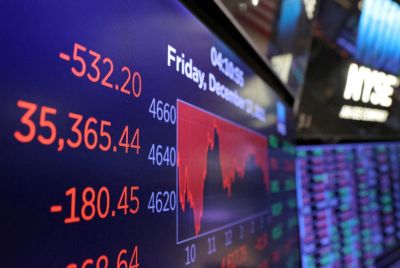
Even as Trump criticized the oil companies' profits, broader oil markets showed signs of easing Monday, with Brent crude, the international benchmark, falling nearly 5% to around $83 per barrel amid growing optimism that a diplomatic resolution to the Iran conflict may be within reach. That decline came the same day the Dow Jones Industrial Average closed at a record high, driven in part by falling oil prices and a broader rally in technology stocks.
With earnings season for the major oil companies now largely behind investors, attention is likely to shift toward whether Exxon and Chevron respond in any way to Trump's public pressure, and whether ongoing diplomatic talks between the U.S. and Iran over the Strait of Hormuz produce the kind of resolution the president has suggested could send oil prices sharply lower. Until then, American drivers are likely to continue facing elevated prices at the pump, keeping pressure on both the White House and the oil industry as the conflict's economic fallout continues to unfold.
© Copyright 2026 IBTimes AU. All rights reserved.
- Recommended For You